-
We detected your language preference as English. Would you like to switch to the English version for a better experience?
Switch to English
Stay here


Artelo Biosciences has reported new preclinical findings indicating that ART27.13, an oral dual cannabinoid receptor agonist, generated weight loss in obese mice that was broadly comparable with the effect observed with the GLP-1 receptor agonist semaglutide. The company disclosed the results in a Sept. 16 release, adding another potential application for a compound that is already being investigated in oncology supportive care.
In the study, obese mice fed a high-fat diet received ART27.13 alone or in combination with semaglutide. After four weeks, ART27.13 monotherapy reduced body weight by approximately 20% from baseline, while mice receiving semaglutide showed a similar degree of weight loss. The combination produced approximately 40% weight loss from baseline, according to Artelo.
The company also reported differences in body-composition outcomes. Approximately 80% of the total weight lost in the ART27.13 monotherapy and combination groups was attributed to fat mass, compared with approximately 70% in the semaglutide-only group. The findings therefore extend beyond a simple measurement of total body weight and point toward a potential distinction in the composition of the weight lost.
“The consistency of these results across the initial pilot study and the follow-on study and in every measure we examined—body weight, food consumption, body composition and other metabolic parameters—is what gives us confidence in the signal,” Saoirse O’Sullivan, Ph.D., vice president of translational science at Artelo, said.
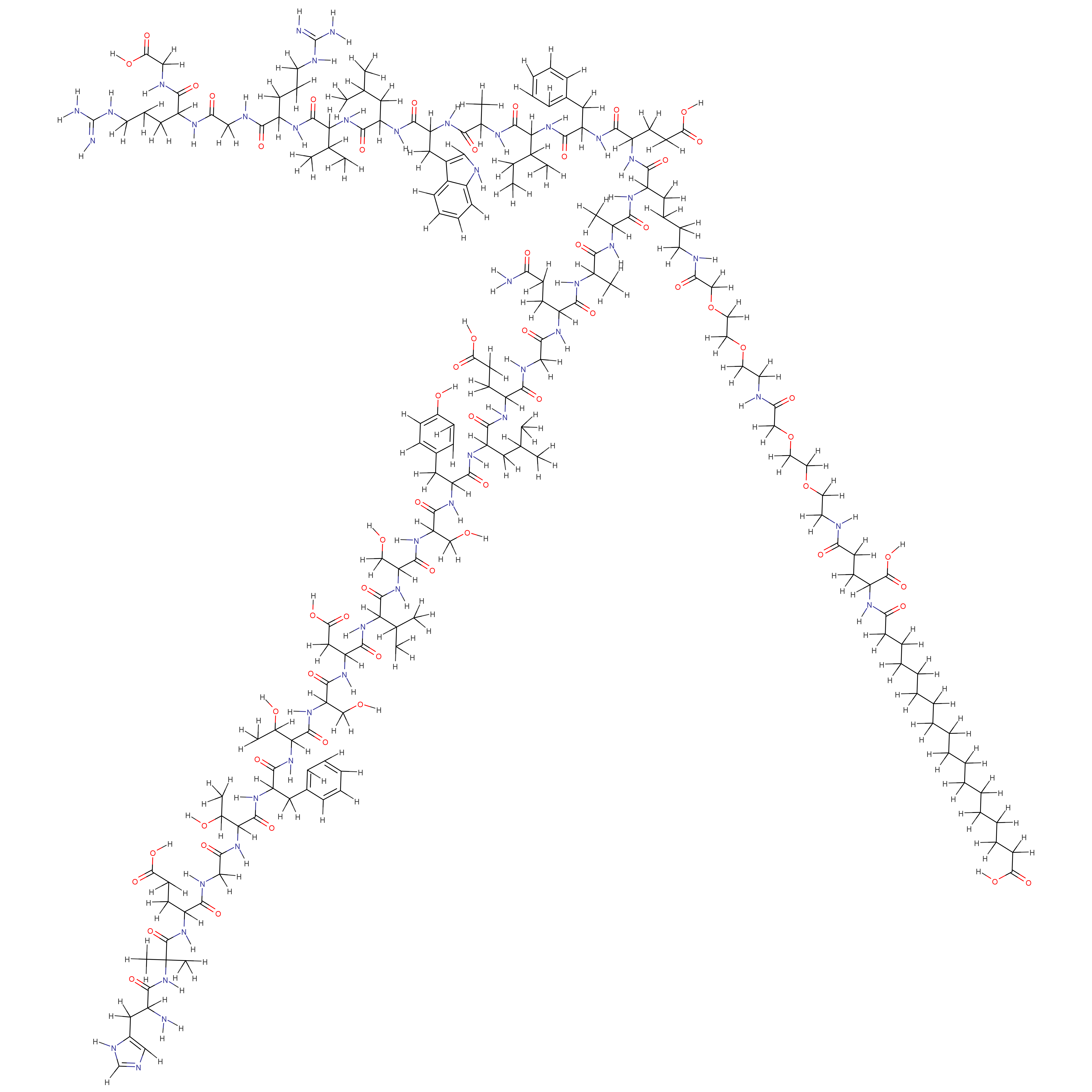
The combination result is particularly relevant to the current obesity-drug landscape, where GLP-1 receptor agonists have established a major therapeutic category. Semaglutide is the active ingredient in Novo Nordisk's Ozempic and Wegovy, and its use in the Artelo study provides a benchmark against a well-established pharmacological approach.
Artelo reported that obese mice treated with both ART27.13 and semaglutide lost approximately 40% of their baseline body weight, compared with approximately 20% for either agent when used alone in the reported comparisons. The company characterized this as roughly double the weight loss achieved with semaglutide alone.
For drug-development purposes, the combination finding raises the possibility that cannabinoid-receptor modulation could eventually be explored as an adjunct to GLP-1-based treatment rather than solely as a competing mechanism. However, the result remains limited to an animal model. Translating a combination effect from obese mice to humans requires clinical evidence addressing efficacy, dose, tolerability, durability and the interaction of the two mechanisms in patients.
An additional feature of the study was the inclusion of lean mice receiving ART27.13 alone. Artelo reported that these animals did not show changes in body weight, fat mass or lean mass. The company said the weight-loss effect therefore appeared to be specific to obese mice within the experimental conditions.
That observation may be relevant to how the mechanism is ultimately understood. Rather than producing indiscriminate reductions in body mass across both lean and obese animals, ART27.13 showed an effect in the obese high-fat-diet model used by the researchers. Further studies will be needed to establish whether this characteristic persists across different animal models and, ultimately, in humans.
ART27.13 is an orally administered agonist of cannabinoid receptors 1 and 2, known as CB1 and CB2. Both receptors form part of the endocannabinoid system, a signaling network involved in physiological processes including appetite, metabolism, mood and inflammation.
The mechanism is notable because cannabinoid signaling has a complicated history in obesity research. Tetrahydrocannabinol, or THC, the principal psychoactive compound in marijuana, acts as a partial agonist at cannabinoid receptors including CB1. According to O’Sullivan, ART27.13 was designed to selectively target peripheral CB1 and CB2 receptors with the objective of minimizing effects mediated through the central nervous system.
The distinction between peripheral and centrally mediated cannabinoid signaling is important for the program because previous attempts to manipulate CB1 for weight management have encountered significant safety challenges. Artelo's development strategy is therefore based not simply on activating a cannabinoid receptor, but on the particular pharmacological profile and distribution targeted by ART27.13.
Artelo did not initially develop ART27.13 as an obesity medicine. The company has been evaluating the compound as a potential treatment for cancer anorexia-cachexia syndrome, a severe condition associated with advanced cancer in which patients can experience loss of body weight, muscle mass and appetite.
ART27.13 is currently being evaluated in the phase 2 portion of the CAReS trial, which has operated across five countries. The study is assessing effects including body weight, lean body mass and anorexia. This clinical program provides the company with an existing human-development framework as it considers whether the compound could have a broader role in metabolic disease.
In September 2025, Artelo announced positive interim phase 2 results in which patients receiving the highest evaluated dose of ART27.13 gained an average of approximately 6% of their body weight over 12 weeks, while patients receiving placebo lost approximately 5%. Those findings concern cancer anorexia-cachexia syndrome rather than obesity and therefore should not be treated as direct evidence of ART27.13's efficacy as an obesity treatment.
Andy Yates, Ph.D., Artelo's chief scientific officer, told Fierce that the company is actively engaging in partnership discussions concerning the advancement of ART27.13 in both cancer anorexia-cachexia syndrome and obesity. His comments indicate that Artelo is considering the asset as a platform opportunity spanning two substantially different clinical markets.
“When it comes to my big vision for this drug, I would think of this as a weight management compound,” Yates said.
Yates also described ART27.13 as potentially complementary to GLP-1 medicines and highlighted its manufacturing characteristics. Unlike biologic peptide therapies, ART27.13 is a chemically synthesized compound that can be administered at very low doses, according to the executive. These characteristics could become relevant to commercial positioning if clinical studies eventually demonstrate meaningful efficacy and tolerability in obesity.
ART27.13 originated at AstraZeneca, where it was developed under the name AZD1940 for pain. After AstraZeneca discontinued development, rights to the compound were transferred to Montreal-based Neomed Institute, a research center established with $100 million in backing from AstraZeneca, Pfizer and the Quebec government.
Artelo entered into an agreement with Neomed in 2017 that provided the company with an option to exclusively license the drug. Under the agreement, Neomed was eligible for milestone payments of up to $202 million, in addition to royalties on future sales. The asset's history illustrates how compounds abandoned for one indication can subsequently be repositioned when new biological hypotheses or therapeutic markets emerge.
The renewed interest in cannabinoid signaling for metabolic disease also comes against a history of unsuccessful CB1-targeted weight-loss programs. In the mid-2000s, Sanofi developed Acomplia, a CB1 receptor blocker that received European approval in 2006 for weight management. Evidence subsequently associated the medicine with an increased risk of psychiatric disorders, and the product was removed from the market three years later.
The mechanism regained attention in 2023 when Novo Nordisk agreed to acquire Inversago Pharma for up to $1.1 billion. Inversago was developing monlunabant, another compound intended to modulate CB1 signaling. In 2024, however, the Danish drugmaker reported neuropsychiatric side effects in a phase 2 trial of monlunabant.
ART27.13 takes a different pharmacological approach by acting as an agonist at both CB1 and CB2, while its design emphasizes peripheral rather than central receptor activity. Whether that distinction can translate into a clinically useful safety profile remains one of the key questions for future development.
GuideView analysts observe that the significance of Artelo's latest disclosure lies less in establishing a new obesity standard than in demonstrating a potentially differentiated mechanism that may operate alongside the dominant GLP-1 class. The reported approximately 40% weight loss in obese mice receiving ART27.13 plus semaglutide is the most notable finding, but its commercial and clinical relevance will depend on whether the combination effect can be reproduced in additional models and translated into human studies.
The program also illustrates an increasingly important pattern in obesity drug development: the search is expanding beyond single-mechanism therapies toward combinations capable of addressing efficacy, body composition, tolerability, dosing convenience and long-term weight management. A small-molecule, orally administered therapy could theoretically offer a different development and manufacturing profile from injectable peptide medicines, although clinical performance rather than formulation alone will determine its eventual role.
At the same time, the history of CB1-directed obesity therapies places safety at the center of the development question. Earlier programs demonstrated that metabolic efficacy cannot be separated from central nervous system and psychiatric considerations. ART27.13's peripheral targeting is therefore a critical element of its development thesis, but it remains a hypothesis that must be validated through clinical safety and pharmacodynamic data.
GuideView further notes that ART27.13's existing phase 2 development in cancer anorexia-cachexia syndrome gives the company a distinct strategic position: the same asset is being investigated in a condition characterized by unwanted weight loss while its preclinical obesity program addresses excessive weight. The two indications require fundamentally different therapeutic objectives, meaning that evidence from the oncology program may inform the compound's safety and biological profile without directly establishing its value in obesity. For now, the obesity opportunity remains an early-stage extension of a compound with an established clinical-development history.
 |
 |
 |
 EN
EN
 Agricultural News
 Food News
 Industrial News
 Cosmetic News
 Pharmaceutical News
 Science News

 1YR
1YR


