-
We detected your language preference as English. Would you like to switch to the English version for a better experience?
Switch to English
Stay here


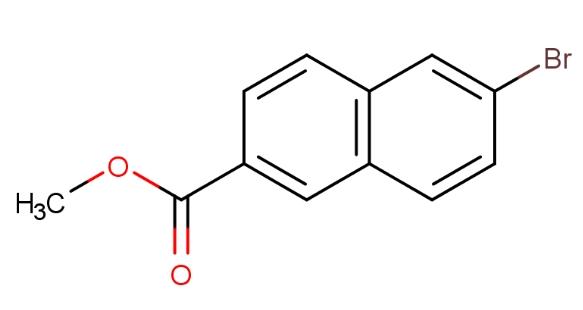
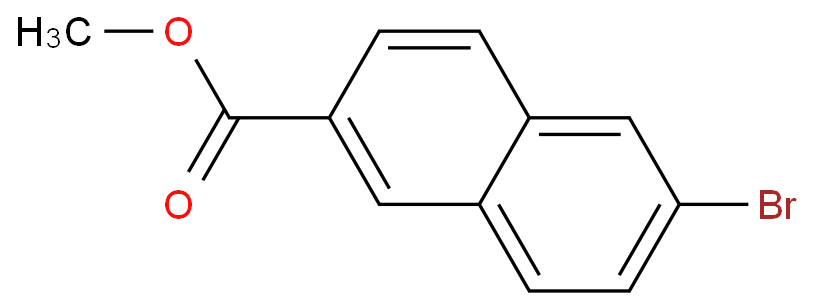
Methyl 6-bromo-2-naphthoate, also known by its English name Methyl 6-bromonaphthalene-2-carboxylate, CAS: 33626-98-1, Methyl 6 bromo 2 naphthoate formula is C12H9BrO2, is a well-known compound due to its applications in various chemical processes.
Methyl 6-bromo-2-naphthoate is a crucial intermediate in the synthesis of Adapalene. Adapalene, a derivative of naphthoic acid, belongs to the third generation of retinoid drugs, with the chemical name 6-[3-(1-adamantyl)-4-methoxyphenyl]-2-naphthoic acid. It was developed by the French pharmaceutical company Galderma as an anti-acne medication. The synthesis method of Adapalene reported in the literature involves the preparation of 2-(1-adamantyl)-4-bromophenyl ether from 1-adamantanol and 4-bromophenol through the Friedel-Crafts reaction, phenol hydroxymethylation, and organic zinc reaction, followed by coupling with Methyl 6-bromo-2-naphthoate, saponification, and other steps. The synthesis route is shown below:

The molecular formula of Methyl 6-bromo-2-naphthoate is C12H9BrO2. Its main structural feature is a naphthalene ring system containing two fused benzene rings, making it a polycyclic aromatic hydrocarbon (PAH). In this structure, the bromine atom (Br) is attached to the sixth carbon (C6) of the naphthalene ring, while the methyl group (CH3) is attached to the carbonyl group (C=O) of the carboxyl group, which is esterified with methanol (CH3OH). This structure provides a potential platform for functionalization through reactions involving the bromine or carboxyl ester groups.
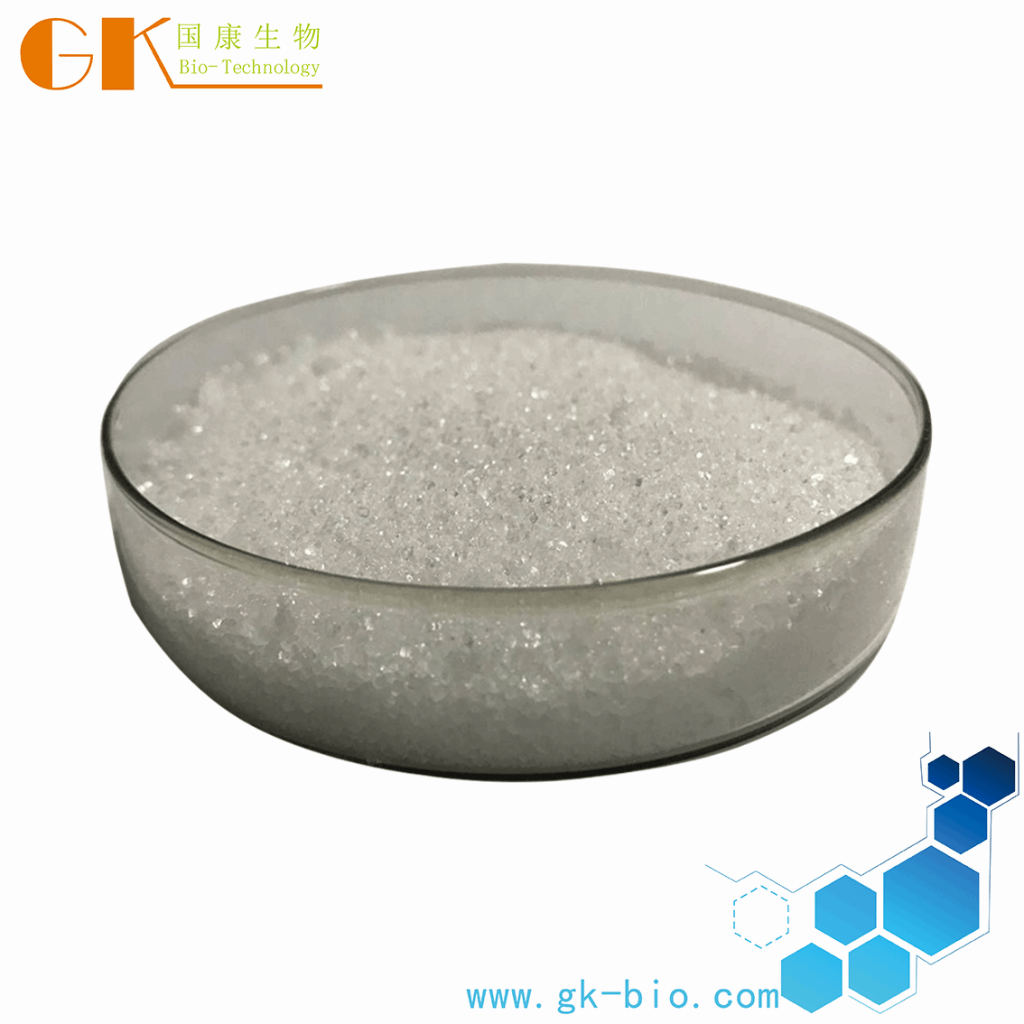
This compound is available on the market in high purity grades, typically exceeding 98%. This purity level is crucial for most research and synthetic applications.
Packaging options for Methyl 6-bromo-2-naphthoate usually include sealed containers to protect the compound from moisture, light, and other environmental factors. Common packaging sizes range from small quantities (e.g., 5 grams) suitable for laboratory research to larger quantities (e.g., 25 grams) for more extensive projects.
Starting from 2-bromonaphthalene, Methyl 6-bromo-2-naphthoate can be obtained through acetylation and hydrolysis.
The synthesis method of Methyl 6-bromo-2-naphthoate includes the following steps:Mix 2-naphthoic acid with methanol, add a catalyst, stir, and introduce argon gas. Control the pressure at 6 atmospheres and temperature at 150℃, maintaining for 60 minutes. Begin adding a mixed aqueous solution of sodium bromide and benzenesulfonic acid dropwise. When the volume added reaches 8% of the solution's volume, begin adding sodium hypobromite solution dropwise. Control the drop rate of both solutions equally, with a total drop time of 110 minutes. After the addition, raise the temperature to 170℃, increase the pressure to 15 atmospheres, and continue the reaction for 6 hours.
The catalyst is obtained by grinding nano titanium dioxide and nano silicon dioxide evenly, soaking in 8% hydrochloric acid solution for 5 hours, filtering, washing with water, drying, and then heating to 300℃.
The molar ratio of sodium bromide to benzenesulfonic acid is 1:2.12; the molar ratio of 2-naphthoic acid to sodium bromide is 1:1.3; the molar ratio of sodium bromide to sodium hypobromite is 1:0.98; the molar concentrations of sodium bromide and sodium hypobromite are both 2.0 mol/L.
Filter the solid while hot, add the filtrate to four times its weight in ice water, extract with chloroform, dry with anhydrous sulfuric acid, and concentrate by evaporating the solvent to obtain Methyl 6-bromo-2-naphthoate. The molar yield is 98.3%, and the GC purity is 98.6%.
 |
|
 |
 |
 |
 EN
EN
 Agricultural News
 Food News
 Industrial News
 Cosmetic News
 Pharmaceutical News
 Science News

 1YR
1YR

