-
We detected your language preference as English. Would you like to switch to the English version for a better experience?
Switch to English
Stay here


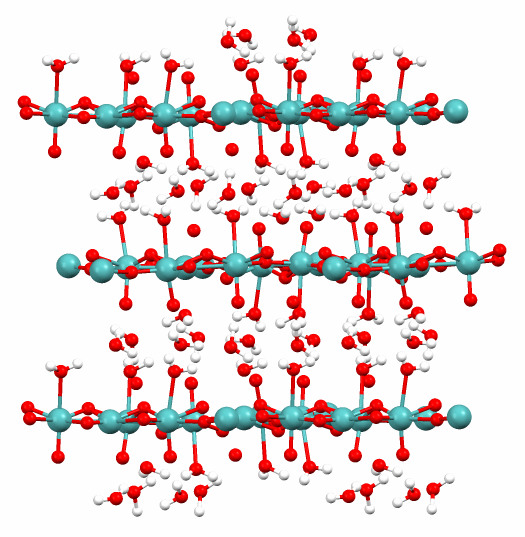
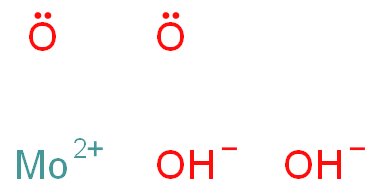
Molybdic acid is a bright yellow inorganic compound with the chemical formula H2MoO4. It is a hygroscopic solid that quickly absorbs moisture from the air. Due to its deep yellow characteristics, molybdic acid is often used as a pigment. Additionally, molybdic acid is applied as a catalyst, for example, in the oxidation of limonene to perillaldehyde. Molybdic acid and its salts also have extensive uses in chemical reagents, commonly employed as indicators or complexing agents in metal analysis.
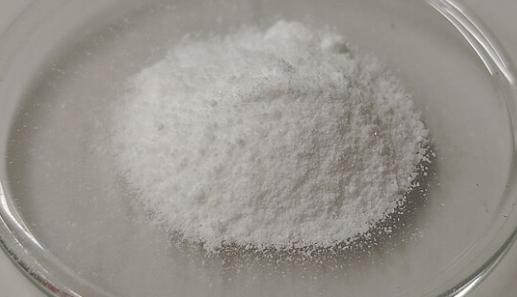
Molybdic acid serves as a crucial catalyst, enhancing the speed and efficiency of various chemical reactions. Its catalytic properties are valuable in many industrial processes.
Molybdic acid is a key component in the formulation of Froehde reagent, a chemical solution used in various analytical and forensic tests, particularly for substance identification and testing.
The Froehde reagent is a solution of molybdic acid in concentrated sulfuric acid, an effective tool for the preliminary identification of alkaloids, especially opiates. This reagent interacts with alkaloids to produce characteristic color changes that aid in detection. Molybdic acid acts as an oxidizing agent during the reaction with alkaloids, leading to reduction. This redox process forms colored compounds, visually indicating the presence of alkaloids. The specific color produced can vary depending on the alkaloid, making the Froehde reagent a useful screening method in forensic toxicology and analytical chemistry.
Molybdic acid is the starting material for the preparation of various important molybdenum compounds. For instance, molybdenum disulfide (MoS?) is used as a solid lubricant and catalyst, while ammonium molybdate tetrahydrate (NH?)?MoO?·2H?O) is a standard reagent in analytical chemistry. These derivative compounds find wide applications in metallurgy, petrochemicals, catalysis, and more.
The mixture of molybdic acid and sulfuric acid is commonly used in organic chemical analysis to detect alkaloids. The characteristic color change produced by this reaction serves as qualitative evidence of alkaloid presence.
Molybdic acid is the foundation for producing various molybdates. Molybdates are used as catalysts and pigments in the chemical industry, and in agriculture, they serve as trace element fertilizers, providing essential molybdenum for plant growth.
Molybdophosphoric acid, a complex H3[P(Mo3 O10 ) 4], is produced by reacting phosphates and molybdates in an acidic solution. What is molybdophosphoric acid used for? It is mainly used as a catalyst for redox and esterification reactions, such as the direct oxidation of methane to formaldehyde, the oxidation of propylene to acrolein and acetone, the ammoxidation of propylene to acrylonitrile, and the esterification of alcohols. Molybdophosphoric acid is also used as a weighting agent for silk and leather, a precursor for organic pigments, and as a reagent in chemical analysis to test for alkaloids, urea, xanthine, creatinine, ammonium, amines, and certain rare earth metals. It is used in microanalysis for antimony, cerium, copper, thallium, and vanadium. Molybdophosphoric acid with hematoxylin is used for neural staining, and it is also utilized as a corrosion inhibitor and pigment for highway road signs.
The Folin-Wu method is one of the oldest techniques for blood glucose determination. What role does molybdophosphoric acid play in the Folin-Wu method? The Folin-Wu method uses the reducing properties of glucose in a hot alkaline solution. Protein is precipitated with tungstic acid, and after centrifugation, the protein-free plasma filtrate contains glucose. Glucose reduces copper ions in alkaline CuSO4 to cuprous oxide, which in turn reduces molybdophosphoric acid to molybdenum blue. The higher the glucose concentration, the deeper the blue color, allowing the glucose concentration to be measured by colorimetric analysis of the molybdenum blue's absorbance.
The preparation of molybdic acid requires reacting molybdenum trioxide with water and either nitric or sulfuric acid. Depending on the conditions, the resulting molybdic acid can be either a dihydrate or tetrahydrate. The general formation equation for molybdic acid is:
MoO3+4HNO3+xH2O→H2MoO4?xH2O+4NO2+2H2O
MoO3+2H2SO4+xH2O→H2MoO4?xH2O+2SO3+2H2O
where x is 2 (dihydrate H2MoO4·2H2O) or 4 (tetrahydrate H2MoO4·4H2O).
Molybdic acid is a corrosive substance and poses health risks. It is classified as an irritant and can cause skin and eye irritation. Inhaling molybdic acid dust can irritate the respiratory system. Proper handling is essential to prevent exposure. When handling molybdic acid, always wear appropriate personal protective equipment, including gloves, goggles, and respiratory protection. Store it in a cool, dry, well-ventilated area, away from incompatible substances. Keep containers tightly sealed to prevent moisture absorption and contamination.
Molybdic acid can be harmful to aquatic life, making it important to prevent its release into the environment. Proper disposal is crucial to minimize environmental impact. Do not pour molybdic acid into drains or waterways. Contact local authorities for specific disposal guidelines. For small amounts, consider neutralizing with a base (such as sodium hydroxide) and then diluting with plenty of water. However, it is essential to consult a qualified waste management professional to ensure safe and compliant disposal.
|
 |
 |
 |
|
 EN
EN
 Agricultural News
 Food News
 Industrial News
 Cosmetic News
 Pharmaceutical News
 Science News

 3YRS
3YRS

