
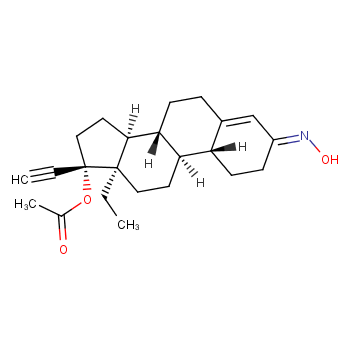
Norgestimate (NGM) is a derivative of levonorgestrel (LNG), a third-generation progestin contraceptive developed by Ortho and Cilag AG. Norgestimate has no androgenic activity, exhibits estrogenic properties, has a minimal impact on glucose metabolism, and neutral or favorable effects on lipid metabolism, which may lower the risk of cardiovascular disease. NGM is quickly metabolized in the body to norelgestromin (NGMN), 3-ketonorgestimate (3-keto-NGM), and LNG. NGMN is the active form, with its clinical pharmacokinetics already documented. The structure of Norgestimate is as follows:
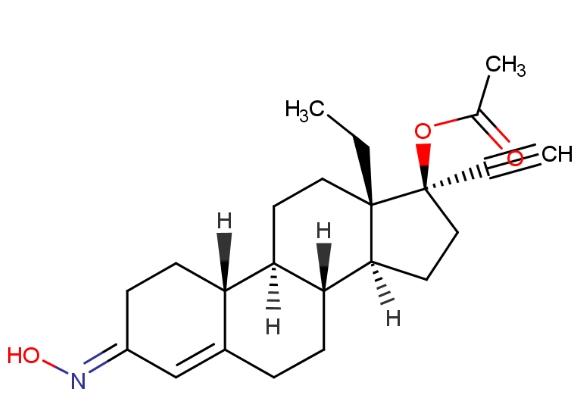
Norgestimate is used for hormonal contraception and hormone therapy for menopause symptoms. It is combined with ethinyl estradiol in contraceptives and with estradiol in hormone therapy. Norgestimate/ethinyl estradiol works by suppressing ovulation, changing cervical mucus to prevent sperm from entering the uterus, and altering the endometrium to reduce the chance of a fertilized egg implanting. Jacques Bringer and others evaluated the efficacy and safety of a new monophasic oral contraceptive containing Norgestimate (250 μg) and ethinyl estradiol (35 μg). The Pearl index was 0.25, indicating excellent contraceptive efficacy, with reliable cycle control and low rates of breakthrough bleeding. Norgestimate's minimal androgenic activity means its effects on carbohydrate and lipid metabolism are minimal, and it doesn't negatively affect prostacyclin or increase thromboxane. Its impact on coagulation factors is also insignificant, suggesting a lower cardiovascular risk compared to other available oral contraceptives.
The combination of ethinyl estradiol and norgestimate is also used to treat moderate acne in women who are at least 15 years old and wish to use contraception. Overproduction of androgens is a key cause of acne in some patients. Oral contraceptives can lower active androgen levels, making them a successful treatment for acne. A W Lucky and colleagues compared the efficacy of a triphasic combination oral contraceptive (ORTHO TRI-CYCLEN) containing Norgestimate and ethinyl estradiol with a placebo in treating moderate acne. In a randomized, double-blind, placebo-controlled clinical trial involving 257 women aged 15 to 49, the OC regimen was found to be a safe and effective method for treating moderate acne in females with no known contraindications to oral contraceptives.
NGM exhibits mild estrogenic activity related to anti-mineralocorticoid and anti-androgenic properties, which largely contribute to its cardiovascular safety. Its anti-androgenic activity depends on AR translocation, 5α-reductase inhibition, and the increase in sex hormone-binding globulin (SHBG) levels. NGM is one of the best molecules for modulating the effect of ethinyl estradiol on thromboembolism risk, with a low VTE risk compared to other CHCs. Its peripheral anti-androgenic properties, demonstrated by its favorable impact on lipid and glucose metabolism, make it a preferred option over more androgenic progestins like levonorgestrel.
Norgestimate side effects with ethinyl estradiol include headache/migraine (33%), abdominal pain (7.8%), vaginal infection (8.4%), vaginal discharge (6.8%), breast issues (pain, discharge, enlargement) (6.3%), mood disorders (5.0%), bloating (3.2%), nervousness (2.9%), and rash (2.6%).
In postmenopausal women, Norgestimate side effects combined with estradiol (≥5% incidence within one year) include headaches (23%), upper respiratory infections (21%), breast pain (16%), back pain (12%), abdominal pain (12%), flu-like symptoms (11%), joint pain (9%), vaginal bleeding (9%), dysmenorrhea (8%), sinusitis (8%), vaginal inflammation (7%), pharyngitis (7%), fatigue (6%), nausea (6%), viral infection (6%), bloating (5%), dental issues (5%), myalgia (5%), dizziness (5%), depression (5%), and cough (5%).
Proper adherence to prescribed doses and guidelines is crucial for managing and minimizing Norgestimate side effects. Regular monitoring and follow-ups with healthcare providers are essential for assessing any side effects and adjusting treatment accordingly. Seek medical attention for any concerning symptoms such as abnormal bleeding, severe headaches, or chest pain. Early detection and intervention can help mitigate potential risks and ensure optimal outcomes.
Norgestimate, as a common oral contraceptive, may cause a range of side effects, including nausea, headaches, and mood swings. However, individual reactions to the drug vary, and the severity of side effects may differ from person to person. Therefore, understanding potential side effects and communicating with your doctor is essential. Always consult your doctor when starting Norgestimate or if you experience any discomfort to receive personalized medical advice and appropriate management.
[1]Bringer, J. Norgestimate: a clinical overview of a new progestin[J]. American journal of obstetrics and gynecology, 1992, 166(6): 1969-1979.
[2]https://pubmed.ncbi.nlm.nih.gov/1605287/
[3]https://www.tandfonline.com/doi/full/10.1080/17512433.2021.1878876
[4]https://www.webmd.com/drugs/2/drug-8819/norgestimate-ethinyl-estradiol-oral/details
[5]https://pubmed.ncbi.nlm.nih.gov/9366821/
[6]https://pubmed.ncbi.nlm.nih.gov/9083323/
[7]https://en.wikipedia.org/wiki/Norgestimate
[8]Zhang Xiaojuan, Wu Ronghui, Cao Lumin. Pharmacokinetics of the main metabolites of norgestimate in rats[J]. Chinese Journal of Pharmaceutical Sciences, 2006, (19): 1485-1487.
 |
 |
|


 13YRS
13YRS

