-
We detected your language preference as English. Would you like to switch to the English version for a better experience?
Switch to English
Stay here


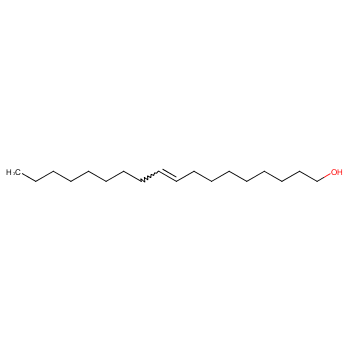
Oleyl alcohol is an unsaturated fatty alcohol. It is one of the most widely produced unsaturated alcohols in the world, primarily found in fish oil and marine mammal fats. Current literature reports two main methods for synthesizing oleyl alcohol: chemical reduction and catalytic hydrogenation. Both methods involve selectively hydrogenating oleic acid or its esters to produce oleyl alcohol.
Oleyl alcohol and its derivatives are versatile surfactants with wax-like properties, a low melting point, and moisturizing effects. They are used in lipsticks and other cosmetics, formulated into various moisturizers and cleansers. There are many patents reported abroad for the use of oleyl alcohol and its derivatives as moisturizers in cosmetics.
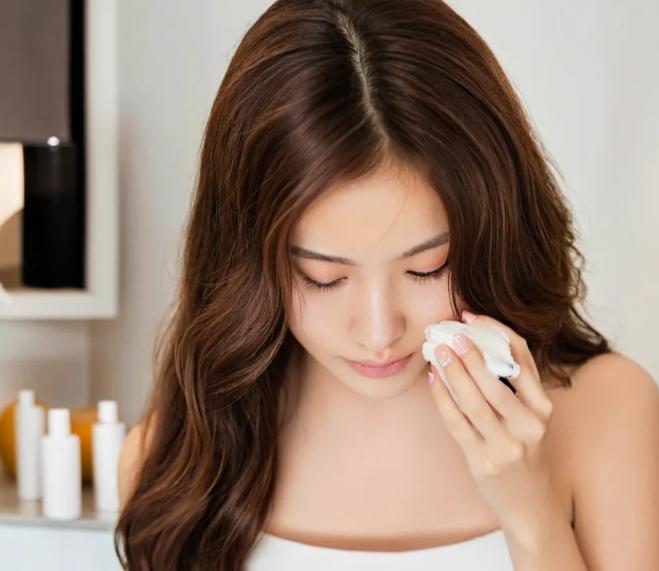
Moisturizing: Oleyl alcohol forms a protective barrier on the skin, helping to prevent moisture loss and keep the skin hydrated.
Emollient: It is an excellent emollient that can soften and smooth the skin, reducing dryness and roughness.
Skin Barrier Support: It helps enhance the skin's natural barrier, improving its ability to retain moisture and resist environmental factors.
It is possible. As an alcohol ingredient, oleyl alcohol and other similar alcohols may lead to acne issues in skincare. Oleyl alcohol can make the skin dry and may also make pores appear larger while promoting excess oil secretion. Common products containing oleyl alcohol include foundations, eye cosmetics, moisturizers, and facial cleansers.
Due to its various benefits for skin and hair, oleyl alcohol is widely used in the cosmetics industry. As a non-ionic surfactant, emulsifier, emollient, and thickener, oleyl alcohol is added to conditioners, foundations, eye cosmetics, moisturizers, cleansing products, and other skincare items. It helps stabilize emulsions, prevent separation into oil and liquid, and reduce foam formation during product shaking. In skincare products, oleyl alcohol acts as a lubricant, making the skin feel softer and smoother. In haircare products, it helps condition and smooth the hair, improving manageability and reducing frizz. Additionally, oleyl alcohol is used as a solvent to enhance the texture and feel of cosmetics, making them more comfortable to use.
Oleyl alcohol typically does not pose health issues with skin contact, but if ingested through wounds, ulcers, or abrasions, it may have adverse health effects. Overall, oleyl alcohol is considered safe for use in cosmetics. It has low irritation potential, suitable for most skin types, including sensitive skin, and is less likely to clog pores, making it relatively friendly for acne-prone skin. However, it is wise to perform a patch test before use to rule out potential allergic reactions. Oleyl alcohol generally comes from plant oils and meets vegan and halal standards. As with all cosmetic ingredients, it is advisable to consult a physician or healthcare professional before use during pregnancy or breastfeeding.
Oleyl alcohol is not currently listed in the EWG’s deep skin restriction or banned ingredient lists. The Cosmetic Ingredient Review (CIR) expert panel has assessed the safety of stearyl alcohol, oleyl alcohol, and octyl dodecanol. Based on scientific data, the CIR panel considers the use of stearyl alcohol, oleyl alcohol, and caprylic alcohol in cosmetics and personal care products to be safe. These ingredients, when derived from plants, also comply with EU cosmetic regulations. According to these regulations, animal-derived ingredients must adhere to EU animal by-product regulations. The CIR panel also notes that stearyl alcohol is naturally present in various mammalian tissues, and its metabolic pathways have been well-studied. Considering the chemical properties and good biocompatibility of these compounds, there is currently no evidence suggesting significant carcinogenicity, reproductive toxicity, or developmental effects. Furthermore, human testing of products containing these ingredients indicates a low risk of causing skin irritation or allergic reactions.
Oleyl alcohol is widely and diversely used in cosmetics, primarily as an emulsifier, moisturizer, and thickener. Its excellent moisturizing and emollient properties make it an important ingredient in skincare and haircare products, effectively improving skin smoothness and softness while enhancing hair manageability and reducing frizz. However, although oleyl alcohol is generally considered safe and suitable for most skin types, including sensitive skin, performing a patch test before use is still recommended to rule out possible allergic reactions. In summary, the use of oleyl alcohol in cosmetics offers significant improvements in product effectiveness and user experience, but understanding its potential risks and ensuring proper use are key to ensuring safety and effectiveness.
[9] https://drugs.ncats.io/substance/172F2WN8DV
 |
|
 |
 |
 |
|
 EN
EN
 Agricultural News
 Food News
 Industrial News
 Cosmetic News
 Pharmaceutical News
 Science News

 13YRS
13YRS


