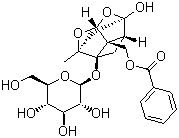
Is nature hiding a secret weapon against pain and inflammation? Paeoniflorin, a natural compound found in peony roots, has garnered significant attention in recent years as a potential secret weapon against pain and inflammation.
Paeoniflorin is a safe immunomodulatory drug primarily used to treat autoimmune diseases and other connective tissue disorders. Its antibacterial, sedative, and analgesic properties have made it an important component in many traditional medicines. Paeoniflorin has also been found to have potential health benefits such as reducing pain and relieving inflammation, prompting extensive research by scientists. This article will provide information on the uses, safety, and methods of using paeoniflorin, allowing us to uncover the mysterious veil of this natural compound and delve into its role in combating pain and inflammation.
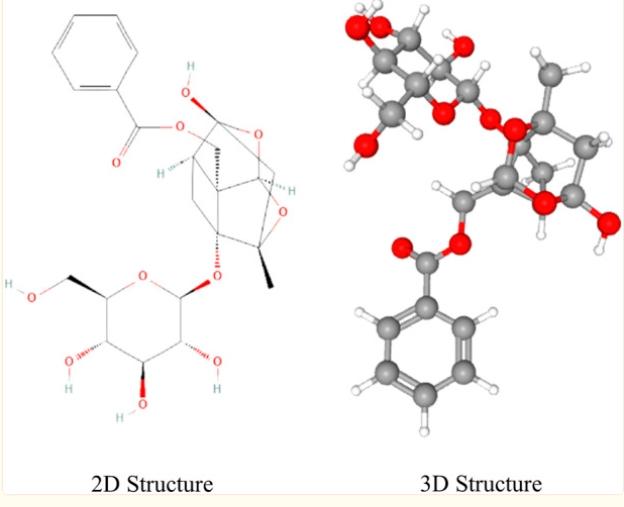
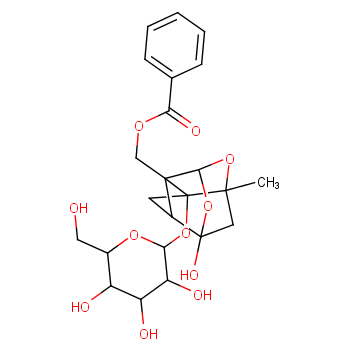
Paeoniflorin is a monoterpene glycoside compound extracted from white peony (Paeoniae Radix Alba), red peony (Paeoniae Radix Rubra), and tree peony (Paeonia suffruticosa Andr.). Chemically, paeoniflorin belongs to the class of monoterpene glucosides, specifically a glycoside compound composed of paeoniflorin and glucose acid. This chemical structure is similar to that of other plant compounds such as flavonoids and steroids, but its distribution in plants is not widespread, making it a unique compound.
From the perspective of traditional Chinese medicine, paeoniflorin has high medicinal value. In traditional Chinese medicine, it is often used to treat diseases such as diarrhea, stomach pain, and dysmenorrhea, closely related to its anti-inflammatory, antibacterial, and antioxidant properties. Additionally, research has found that paeoniflorin can promote the proliferation and migration of bone marrow mesenchymal stem cells in rats and downregulate the expression of transforming growth factor β1 and ERK1/2 genes and proteins in lipopolysaccharide-stimulated bone marrow mesenchymal stem cells, providing more possibilities for the pharmacological effects of paeoniflorin.

Paeoniflorin, an effective component naturally present in white peony, is believed to have potential analgesic properties. It can alleviate pain by inhibiting the release of inflammatory factors or acting on adenosine receptors, NF-κB pathways, etc.; by inhibiting the apoptosis signal-regulating kinase 1 (ASK1) phosphorylation; by inhibiting the demyelination response of peripheral nerves; or by affecting the expression levels of β-endorphins.
Studies have found that paeoniflorin can inhibit the inflammatory response in the body during menstruation and reduce the secretion of prostaglandins, thereby alleviating dysmenorrhea symptoms. Additionally, paeoniflorin can alleviate headache symptoms by regulating the activity of the central nervous system.
Inflammation is a significant cause of inflammatory pain, so research on the anti-inflammatory effects of paeoniflorin has attracted widespread attention. In the central nervous system, paeoniflorin also has an anti-inflammatory effect. Research has found that paeoniflorin can inhibit the inflammatory response of microglia induced by Aβ1-42. In the periphery, paeoniflorin can inhibit dendritic cells and reduce the inflammatory response by blocking the Toll-like receptor 4/5 signaling pathway. Paeoniflorin inhibits the synthesis of pro-inflammatory factors such as TNF-α, NO, and prostaglandin E2 in the mononuclear macrophage system, thereby relieving inflammation.
A study of patients with knee osteoarthritis found that the use of topical ointments containing paeoniflorin could relieve symptoms and improve quality of life. Animal studies have found that paeoniflorin can reduce inflammation in the intestines and improve intestinal health. Currently, the effectiveness of paeoniflorin in controlling chronic inflammation requires further research. However, these studies suggest that paeoniflorin may become an effective anti-inflammatory drug.
Paeoniflorin, as the main active ingredient of traditional Chinese medicine white peony, has attracted widespread attention for its potential applications in neuroprotection and anxiety management. In terms of neuroprotection, white peony has been shown to have significant protective effects on the central nervous system, while paeoniflorin's promotion of the proliferation and migration of bone marrow mesenchymal stem cells and its regulation of the expression of transforming growth factor β1 and ERK1/2 indicate its potential positive effects on neurodegenerative diseases such as Alzheimer's disease. In terms of anxiety management, paeoniflorin may help alleviate depression and anxiety by regulating mood and reducing anxiety-related neuronal activity. Studies have shown that paeoniflorin can inhibit the expression of TLR4 inflammatory pathway genes, potentially alleviating symptoms of anxiety disorders.
However, these potential benefits need further research confirmation and rigorous safety and efficacy evaluation in human trials. We look forward to more in-depth research to uncover more potential uses of paeoniflorin and provide more treatment options for patients.
Paeoniflorin is a widely studied natural active ingredient commonly found in peony leaves, peony flowers, and other traditional Chinese medicines. In recent years, scientific research on paeoniflorin has increased, delving not only into its biological effects but also its potential health benefits, providing scientific evidence for its applications in many medical fields. These studies use different methods such as in vitro studies and animal models. In vitro studies have shown that paeoniflorin can be absorbed into the body through the skin, reaching maximum concentrations within 24 hours, indicating its potential for good penetration and bioavailability. Animal model studies explore the effects of paeoniflorin on disease treatment, such as its application in cervical spondylosis treatment.
However, although paeoniflorin has demonstrated good biological activity and therapeutic effects in in vitro studies and animal models, its efficacy and safety in humans still need further research confirmation. Therefore, more clinical trials are needed to evaluate the efficacy and safety of paeoniflorin in humans and assess its potential in more health areas (such as sedation, analgesia, etc.).
Studies have shown that paeoniflorin is generally safe at normal doses and has good tolerance. However, it may cause some mild side effects in some people, such as nausea, gastrointestinal discomfort, and more severe cases may result in rash, itching, etc. Additionally, using paeoniflorin may increase the side effects of certain drugs, such as anticoagulants.
When used together with other drugs, paeoniflorin may interact with them, affecting the therapeutic effect. Therefore, before taking paeoniflorin, we strongly recommend consulting healthcare professionals, especially if you have any serious health problems or are taking other medications.
The dosage of paeoniflorin varies from person to person, so there is no fixed standard dosage. Readers are advised to seek professional advice from a doctor before starting to take paeoniflorin or other herbal preparations to determine the most suitable dosage and method of use for themselves. Paeoniflorin can be taken in capsule or extract form, and the dosage should be determined based on individual circumstances. Additionally, if any discomfort or adverse reactions occur during the use of paeoniflorin, it should be stopped immediately and a doctor consulted.
Please note that the information in this article is for reference only and cannot replace professional medical advice. Therefore, be sure to consult a doctor before starting to take paeoniflorin or any new supplements.
Paeoniflorin is a plant compound that has been considered to have many potential benefits. Its cardiovascular effects, analgesic, sedative, anti-inflammatory, anti-ulcer, antipyretic, antispasmodic, and other effects have been widely studied for improving sleep and treating other diseases. However, despite several studies proving its potential, more research is needed to fully understand its effectiveness to avoid other issues. If you are interested in paeoniflorin, be sure to discuss it with your healthcare professional today and see if it can be part of your health plan. Therefore, we encourage everyone to start a conversation with their doctor today to see if paeoniflorin can be part of their health plan!
[1] Shao QR, Zhang XJ, Ling WD, et al. Research progress on the cardiac protective effect and mechanism of paeoniflorin [J]. Central South Pharmacy, 2023, 21 (09): 2386-2391.
[2] Liu P, Zhao JC, Li RG. Research Progress on Pharmacological Effects and Mechanisms of Paeoniflorin [J]. China Journal of Chinese Materia Medica, 2023, 29 (08): 84-88. DOI: 10.13862/j.cn43-1446/r.2023.08.018.
[3] Lei CF, Chen ZG, Liu YY, et al. Research progress on the pharmacological effects of paeoniflorin on the nervous system [J]. Chinese Journal of Integrated Traditional and Western Medicine, 2023, 38 (04): 1697-1701.
[4] Meng SX, Huo QP. Research on the effect and mechanism of paeoniflorin on the nervous system [J]. Journal of Western Chinese Medicine, 2020, 33 (04): 150-153.
[5] Wang B, Sun Y. Research Progress on the Analgesic Mechanism of Paeoniflorin [J]. World Latest Medical Information Digest, 2019, 19 (72): 239-240. DOI: 10.19613/j.cnki.1671-3141.2019.72.149.
|
 |


 4YRS
4YRS