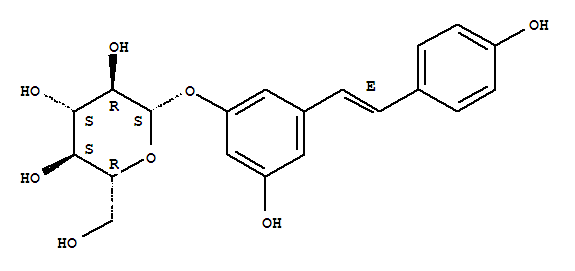
Polydatin is a naturally occurring compound primarily extracted from the roots and rhizomes of the Polygonum cuspidatum plant. It is widely utilized in traditional Chinese medicine for its various health benefits such as dispelling wind, eliminating dampness, promoting blood circulation, relieving pain, and cough suppression. In recent years, there has been increasing attention on polydatin in skincare due to its notable physiological effects including antioxidant, anti-inflammatory, and anti-aging properties, making it a promising ingredient for skincare products.
Traditional skincare ingredients often originate from chemical synthesis, offering benefits such as cleansing, firming, whitening, and refreshing sensations. However, they may also pose risks of skin irritation and potential health hazards. In contrast, natural skincare ingredients are perceived as safer, gentler, and more aligned with people's preferences for health and environmental consciousness. With growing interest in natural skincare ingredients and their correlation with polydatin, more researchers are exploring its applications in skincare products.

Polydatin (also known as piceid) is a naturally occurring stilbenoid compound and a derivative of resveratrol, with higher bioavailability. It primarily exerts potential biological activities by modulating key signaling pathways involved in inflammation, oxidative stress, and apoptosis. Polydatin demonstrates various essential biological activities with promising therapeutic effects, including anticancer, cardioprotective, antidiabetic, gastroprotective, hepatoprotective, neuroprotective, antimicrobial properties, as well as promoting health in the renal, respiratory, rheumatic, skeletal systems, and women's health.
In skincare, Polydatin is recognized for its antioxidant and anti-inflammatory properties, beneficial for skin health. It helps neutralize free radicals that damage skin cells and accelerate aging, thus protecting the skin from oxidative stress and environmental aggressors. Additionally, Polydatin has been shown to inhibit the production of inflammatory molecules in the skin, effectively reducing redness, irritation, and inflammation. Overall, Polydatin is utilized in skincare products due to its ability to promote healthy, youthful complexion and protect the skin from premature aging.
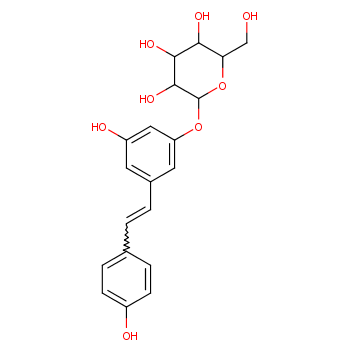
Polydatin and resveratrol are often interchangeably mentioned, leading to confusion between the two. Although both compounds belong to the same family of polyphenols and possess similar antioxidant properties, they are distinct molecules with unique characteristics. Polydatin is a glycosylated stilbenoid with a monocrystalline structure, serving as a natural precursor to resveratrol. Polydatin is the glycosylated form of resveratrol, meaning it contains a glucose molecule attached to the main chain of resveratrol. This structural difference influences their bioavailability and metabolism in the body. While resveratrol is more readily absorbed, Polydatin exhibits higher stability and slower metabolism, prolonging its beneficial effects. In skincare formulations, Polydatin and resveratrol can complement each other, providing synergistic benefits. While resveratrol may penetrate the skin more effectively, the enhanced stability of Polydatin makes it an ideal ingredient for long-term antioxidant stress. By combining these compounds in skincare formulations, manufacturers can create products that offer comprehensive antioxidant support, addressing various skin concerns and promoting overall skin health.
The skincare benefits of Polydatin stem from its complex mechanisms of action at the cellular level, exerting its antioxidant and anti-inflammatory properties. By scavenging free radicals and inhibiting inflammatory pathways, Polydatin helps protect skin cells from damage caused by environmental stressors such as UV radiation and pollution. Additionally, Polydatin stimulates the synthesis of collagen, a key protein responsible for maintaining skin elasticity and firmness. This action not only reduces the appearance of wrinkles but also improves skin texture, making it smoother and softer. Scientific research has demonstrated the efficacy of Polydatin in addressing various skin issues, including aging, pigmentation, and inflammation. The ability of Polydatin to modulate cellular signaling pathways contributes to its multifaceted benefits for skin health. Thus, Polydatin has emerged as a promising skincare ingredient, offering a natural and effective solution for achieving youthful and radiant skin. The specific roles of Polydatin in skincare include:
(1) Improving Immune Response: Several factors can compromise immune defenses: extreme temperatures, humidity, hormonal imbalances, stress, fatigue. By proper nutrition, healthy lifestyle, and appropriate dietary supplements, people can significantly enhance the immune system. Polydatin can neutralize cell damage, thereby protecting overall health.
(2) Preventing Redness and Sensitivity: Sensitive skin is more susceptible to factors that weaken it: bacteria, temperature changes, unsuitable products. To avoid dryness, flaking, tightness, loss of elasticity, or premature aging, it is essential to use appropriate products daily. Polydatin enhances skin barrier while maintaining its pH balance, strengthening the immune system, and restoring radiance and health.
(3) Alleviating Irritation: Delicate skin is prone to redness and inflammation due to overexposure to sunlight, food allergies or intolerances, seasonal changes, inappropriate product use, stress. In these circumstances, the skin may become rough, scaly, inflamed, or develop patches and itching. Using appropriate Polydatin products can restore and normalize damaged skin, promoting health and beauty.
(4) Promoting Bright and Healthy Skin: Polydatin acts as the ultimate antioxidant, 50 times more effective than resveratrol found in grape skins. It can restore proper cellular balance, counteract the formation of free radicals, making the skin elastic, radiant, and healthy. Polydatin possesses potent anti-aging and various beneficial properties, including anti-inflammatory and immune-enhancing characteristics.
(5) Relieving Itching: Itching may result from various factors, including prolonged exposure to UV rays, allergies, insect bites, or dryness, while others are psychological factors such as stress and anxiety. Polydatin maintains the skin's natural pH, restoring elasticity. Using appropriate Polydatin products can deeply nourish the skin, relieve itching, and reduce the appearance of blemishes.
Polydatin is renowned for its beneficial properties in skincare, widely used in various skincare products ranging from creams, serums to masks. Due to its antioxidant and anti-inflammatory properties, manufacturers often incorporate Polydatin into these formulations. In creams, Polydatin can provide deep hydration while protecting the skin from environmental stressors. Serums containing Polydatin can target specific skin issues such as fine lines, wrinkles, and uneven skin tone, offering targeted treatments. Masks containing Polydatin can provide rich nourishment and vitality, leaving the skin feeling refreshed and rejuvenated. Here are examples of skincare products containing Polydatin:
It is a lightweight liquid cream suitable for applying to large areas of the face and body skin, non-greasy, providing a very smooth feeling to the skin. It combats redness, reduces itching, improves skin elasticity, and moisturizes the skin. Polydatin is a powerful anti-aging agent. Apply at least twice daily, morning and evening, to soften the skin, prevent and reduce the appearance of skin imperfections, prevent the damaging effects of weathering, quickly address skin redness, and eliminate itching. No dyes, no preservatives. Dermatologically tested. Hypoallergenic fragrance.
Dermatologically tested, Polydatin prevents external factors from invading, combats redness and itching, and improves skin elasticity and hydration. Polydatin's action prevents and reduces the appearance of skin spots, redness, and itching, helping to prevent the damaging effects of weathering. Preservative-free.
The multifunctionality of Polydatin allows it to effectively synergize with other skincare ingredients, enhancing their efficacy. When combined with ingredients such as hyaluronic acid, vitamin C, and niacinamide, Polydatin can enhance the hydration, brightening, and anti-aging effects of these formulations. It can neutralize free radicals, reduce inflammation, complement the actions of other antioxidants and soothing agents, creating a comprehensive skincare regimen. Thus, skincare products containing Polydatin offer multifaceted benefits, addressing various skin concerns and promoting overall skin health.
Innovative skincare products are continually being developed to harness the full potential of Polydatin as a key ingredient. These products may include advanced formulations such as microencapsulated Polydatin for targeted delivery or Polydatin-infused patches for localized treatment. By leveraging the latest skincare technologies, these innovative products aim to maximize the benefits of Polydatin, ensuring optimal results for consumers seeking effective skincare solutions.
Polydatin demonstrates significant potential in skincare, offering a range of benefits including antioxidant protection, anti-aging effects, and improvement in skin texture and tone. In this article, we have explored how Polydatin acts on the skin at the cellular level, promoting collagen synthesis, reducing the appearance of wrinkles and other signs of aging. Its anti-inflammatory properties also enable it to effectively soothe inflamed skin and combat various skin issues. We encourage readers to explore skincare products containing Polydatin and experience its benefits firsthand. By incorporating Polydatin into your skincare regimen, you can unlock the transformative power of this natural compound, resulting in healthier, more radiant skin.
[1] https://www.ghimas.com/en/polidal-creme
[2] https://www.ncbi.nlm.nih.gov/pmc/articles/PMC7866016/
[3] https://www.ncbi.nlm.nih.gov/pmc/articles/PMC9572446/
[4] Lin P. Research on the extraction process of polydatin. Jiangsu Pharmaceutical and Clinical Research. 1999; (02):44-45. DOI:10.13664/j.cnki.pcr.1999.02.031.
 |
|


 2YRS
2YRS