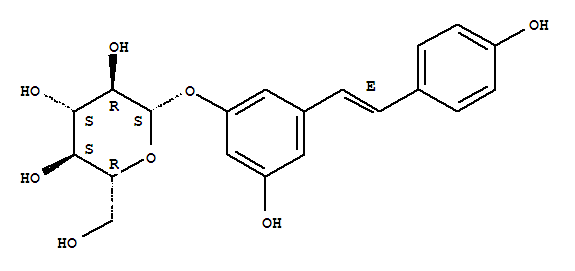
Polydatin, as a chemical compound widely present in the traditional Chinese medicine Hu Zhang, has long been regarded as having high medicinal value. What are the benefits of polydatin? Polydatin benefits stem from its representation as a typical representative of free anthraquinones and anthraquinone glycosides. It not only possesses various pharmacological effects such as antibacterial, antiviral, and antioxidant properties but also effectively regulates human metabolism, thereby exerting significant influence on human health. The medicinal value of Polydatin mainly manifests in its regulatory effect on the human immune system. It can stimulate the immune system, enhance the body's resistance, thus effectively preventing and treating various diseases. Additionally, Polydatin also exhibits hepatoprotective, anti-tumor, and other pharmacological effects, offering a wide range of benefits to human health. Understanding the pharmacological effects and health benefits of Polydatin is of paramount importance for our health and well-being. We should actively learn and understand the relevant knowledge of Polydatin to better utilize its positive impact on our health and well-being.
Polydatin (PD) is a type of stilbene glycoside and monocrystalline natural compound. It is primarily isolated from the roots and rhizomes of Hu Zhang and traditionally used to treat inflammation, infections, jaundice, skin burns, and hyperlipidemia. This chemical substance is also found in other plant sources such as red wine, nuts, vegetables, fruits, hop cones/granules, as well as products containing cocoa and chocolate.
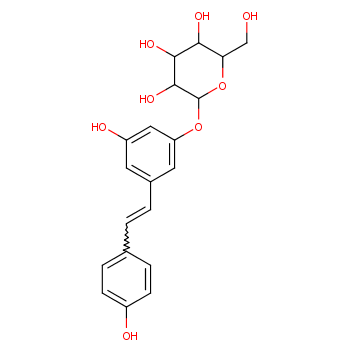
Polydatin is a glycoside derivative of resveratrol. Compared to resveratrol, Polydatin exhibits higher antioxidant and anti-inflammatory properties. It has four main derivatives in nature, including trans-polydatin, trans-resveratrol, cis-polydatin, and cis-resveratrol. Trans-Polydatin itself can be produced from 4-coumaroyl-CoA through a stilbene synthase reaction.
Polydatin has been reported as a multi-target drug, effectively representing its anti-inflammatory activity through potential cellular mechanisms, countering various diseases associated with chronic inflammation. It is reported to be an effective anti-inflammatory secondary metabolite, promoting the expression of miR-200a, regulating the Keap1/Nrf2 antioxidant axis. This pathway, in turn, inhibits the activation of the nucleotide-binding domain, leucine-rich repeat containing protein 3 (NLRP3) inflammasome associated with various chronic inflammatory diseases. Additionally, under inflammatory conditions, Polydatin exerts its anti-inflammatory effects by improving the AMP-activated protein kinase (AMPK)/sirtuin1 (Sirt1)/Nrf2 signal expression, inhibiting the NF-κB/NF-κBα/NLRP3 pathway, and reducing pro-inflammatory cytokines such as TNF-α, IL-1β, and IL-6 release. Furthermore, Polydatin treatment downregulates the expression of inflammatory mediators induced by brain ischemia or spinal cord injury (SCI), such as toll-like receptor 4 (TLR4), NF-κB, cyclooxygenase-2 (COX-2), inducible nitric oxide synthase (iNOS), nitric oxide (NO), and ICAM-1. Consistently, Polydatin may play a significant role in preventing inflammatory action by reducing the activity of mitogen-activated protein kinases (MAPKs). This response is primarily coordinated by extracellular signal-regulated kinases (ERK1/2), c-Jun N-terminal kinases 1/2 (JNK1/2), and p38 protein kinase, thereby inhibiting NF-κB p65 phosphorylation and the release of inflammatory factors such as xanthine oxidase (XOD), prostaglandin E2 (PGE2), TNF-α, IL-1β, and COX-2. Another mechanism of Polydatin's neuroprotective effect is mediated through the CCAAT/enhancer-binding protein β (C/EBPβ)/metastasis-associated lung adenocarcinoma transcript 1 (MALAT1)/cAMP response element-binding (CREB)/peroxisome proliferator-activated receptor γ coactivator 1α (PGC-1α)/peroxisome proliferator-activated receptor γ (PPARγ) signaling pathway. This process leads to the silencing of NF-κB-related downstream inflammatory mediators, thereby reducing cerebral infarction area and improving blood-brain barrier (BBB) integrity. Abundant research confirms that Polydatin application can inhibit phospholipase A2 (PLA2) against lipopolysaccharide (LPS)-induced lung injury, reduce serum alanine aminotransferase (ALT) and aspartate aminotransferase (AST) against acute liver failure (FHF). Other reports also show that Polydatin downregulates retinoic acid receptor-related orphan receptor γt (RORγt) and signal transducer and activator of transcription 3 (STAT3) gene expression, attenuating IL-17 production in peripheral blood mononuclear cells and arthritis induced by CD3/DC28, ultimately reducing NF-κB and vascular endothelial growth factor (VEGF) levels and downstream inflammatory cascade levels, including IL-6. Tumor necrosis factor-α.
Oxidative stress is characterized by the abnormal production of reactive oxygen species (ROS) and reactive nitrogen species (RNS) as by-products of metabolic processes, leading to destructive effects on intracellular molecular signaling pathways and contributing to the occurrence of many diseases. The antioxidant reaction of Polydatin is against liver toxicity induction by reducing lipid peroxidation in vivo while promoting antioxidant enzyme activity. In peripheral and central diseases, Polydatin also demonstrates a regulatory effect on ROS and RNS. Nrf2 may be the most important transcription factor associated with antioxidant responses and can alleviate inflammation. Therefore, in a rat model of SCI induction, Polydatin has strong antioxidant activity against LPS-induced BV2 microglial cells by promoting the Nrf2/heme oxygenase-1 (HO-1) pathway activity, thereby improving motor performance, inhibiting spinal cord edema, and alleviating neuronal dysfunction. Furthermore, after administration, the antioxidant pathway mediated by Nrf2/HO-1/NAD(P)H quinone dehydrogenase 1 (NQO1) expression may accelerate the activation of protein kinase B (Akt) phosphorylation. It has also been proposed that Polydatin can significantly enhance the Nrf2/thioredoxin (TRX) antioxidant signal, upregulate the Gli1/patched 1 (Ptch1)/superoxide dismutase 1 (SOD1) pathway, indicating its neuro/renal protective effect against ROS generation induced by ischemic brain/kidney injury. Further in vivo studies also indicate that Polydatin supplements provide antioxidant capacity through the Sirt1/Nrf2/antioxidant response element (ARE) signaling pathway to reduce diabetes-induced renal dysfunction and improve diabetes-induced cardiac ischemia/reperfusion injury through the Notch1/Hes1-Pten/Akt axis. Moreover, by scavenging hydroxyl radicals, oxygen free radicals, myeloperoxidase (MPO), and ROS, and enhancing enzymatic antioxidants such as SOD, glutathione peroxidase (GSH-px), glutathione transferase (GST), catalase (CAT), and glutathione (GSH), oral Polydatin supplementation may be beneficial against oxidative stress induced by atherosclerosis and cardiovascular diseases. Polydatin also induces protein kinase C (PKC) and mitochondrial ATP-sensitive K (mito-K+ATP) channel to regulate mitochondrial function and Akt signaling pathway. There is ample evidence supporting the attenuation of Akt's decline with Polydatin's antioxidant effects. Additionally, Polydatin weakens the activity of hepatic stellate cells (HSC) induced by its antioxidant effect on sphingosine kinase 1 (SphK1) signaling, improving mouse liver fibrosis induced by carbon tetrachloride (CCl4).
Polydatin is a natural compound with a range of health benefits, which has attracted interest from researchers and health enthusiasts. An important focus area is its potential support for cardiovascular health. Studies suggest that Polydatin may help reduce blood pressure, lower cholesterol levels, and improve overall heart function. For those looking to maintain heart health, Polydatin holds promising potential as a supplement. Additionally, the antioxidant properties of Polydatin are associated with immune system support, as it can help reduce inflammation and prevent oxidative stress, thereby enhancing the body's defense mechanisms against infections and diseases.
Emerging research has revealed Polydatin's neuroprotective effects, indicating its potential in combating neurodegenerative diseases such as Alzheimer's and Parkinson's diseases. By regulating various signaling pathways and exerting anti-inflammatory effects, Polydatin shows promise in maintaining cognitive function and preventing age-related brain health decline. These findings underscore the multifaceted health benefits of Polydatin and highlight its potential as a natural remedy for promoting overall health and longevity.
Polydatin is typically isolated from the roots of Hu Zhang and can also be obtained from many dietary supplements such as grapes, peanuts, cocoa products, hop cones (Humulus lupulus), and other plants.


Polydatin possesses various properties and health benefits, making it potentially applicable in multiple industries. In medicine, Polydatin's anti-inflammatory, antioxidant, and cardioprotective properties make it a valuable candidate for drug formulations to treat cardiovascular diseases, inflammation-related diseases, and even cancer. Additionally, its potential for enhancing immune function and preventing oxidative stress suggests its use in dietary supplements and functional foods, contributing to overall health and well-being. In the cosmetics industry, the antioxidant properties of Polydatin can be utilized to develop skincare products, counteracting signs of aging, protecting the skin from environmental damage, providing consumers with a natural alternative to traditional skincare ingredients.
As research on Polydatin continues to expand, emerging trends indicate its innovative application potential in various fields. In agriculture, Polydatin's antifungal and antibacterial properties can be used for crop protection, reducing the need for synthetic pesticides and promoting sustainable agricultural practices. Additionally, the exploration of Polydatin's role in neuroprotection and cognitive enhancement opens doors to incorporating it into functional beverages and nutritional supplements to improve brain health and cognitive function. Looking ahead, ongoing research may discover new pathways for utilizing Polydatin, paving the way for its integration into a wide range of products and industries from pharmaceuticals to cosmetics to agriculture.
This article elucidates the many health benefits and potential applications of Polydatin, showcasing its multifunctionality and importance across various industries. From its roles in promoting cardiovascular health, immune function, and neuroprotection to its applications in medicine, cosmetics, and agriculture, Polydatin emerges as a promising natural compound with enormous potential. Its antioxidant, anti-inflammatory, and antibacterial properties make it an important ingredient in pharmaceuticals, skincare products, functional foods, and more. Therefore, we encourage readers to explore the benefits of Polydatin and consider incorporating it into their daily lives, whether through dietary supplements, skincare routines, or agricultural practices. By continuing to research and harness the power of Polydatin, we can contribute to the development of innovative solutions, promoting human health and enhancing quality of life.
[1] https://www.ncbi.nlm.nih.gov/pmc/articles/PMC9572446/
[2] https://www.ncbi.nlm.nih.gov/pmc/articles/PMC8853764/
[3] Zhao, Y. (2011). Extraction, Isolation, Purification, and Enzymatic Digestion Study of Polydatin. Hunan Agricultural University.
|
 |


 2YRS
2YRS