-
We detected your language preference as English. Would you like to switch to the English version for a better experience?
Switch to English
Stay here


Polysorbate 20, also known as Tween 20, is one of the most widely used nonionic emulsifiers in food, personal care, and cosmetic formulations. Its ability to combine oil and water-based ingredients makes it essential in products such as salad dressings, mayonnaise, ice cream, and baked goods, where it delivers smooth texture, prevents phase separation, and extends shelf life while supporting antimicrobial stability.
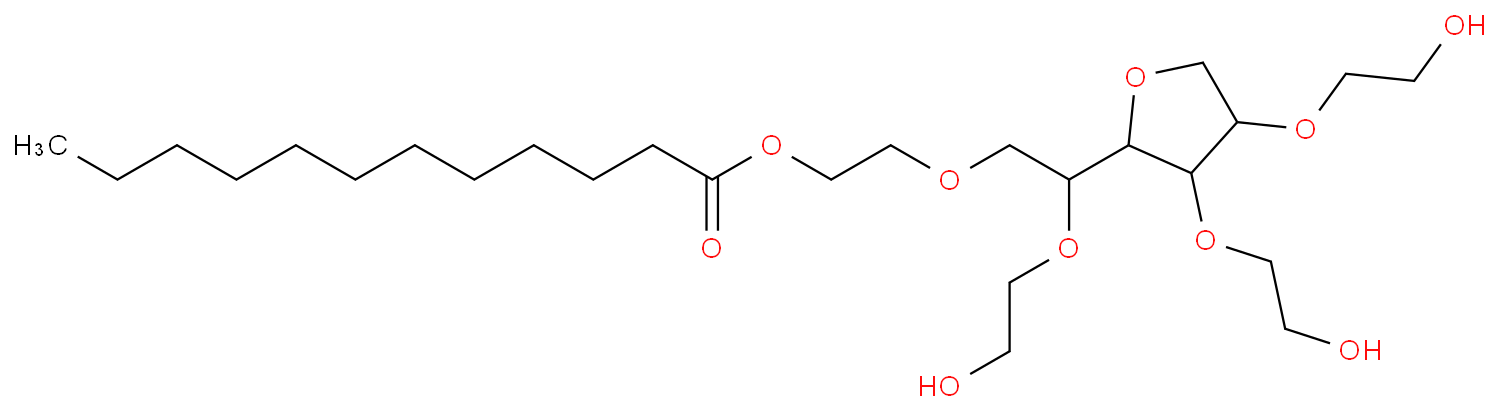
For product developers, the key technical questions are not simply whether polysorbate 20 emulsifies efficiently, but how its high hydrophile-lipophile balance and its sensitivity to heat, oxygen, and preservative interactions shape a finished food system. This guide examines its chemistry, mechanism, applications, and the formulation and regulatory parameters that determine its practical use.
| Function | Suitable Users | Core Technical Indicators | Compliance Framework |
|---|---|---|---|
| Emulsifier | Dressing, mayonnaise, and dessert developers | HLB 16.7; oil-in-water emulsion stability | US GRAS; EU E432; INS 432 |
| Stabiliser | Sauce, dressing, and emulsion producers | Prevention of separation; uniformity maintenance | GMP or category-specific limits apply |
| Solubiliser | Flavour, colour, and beverage developers | Dispersion of oil-soluble actives in water | Additive listing required |
| Wetting / dispersing agent | Powdered mix and convenience food producers | Surface tension reduction; powder wetting | No specific ceiling beyond ingredient rules |
| Anti-crystallising agent | Frozen dessert formulators | Slowing of crystallisation; smooth texture retention | Ice cream use typically 0.02-0.2 % |
Polysorbate 20 (C19H37O5 per the repeat-unit description) is an ethoxylated sorbitan monolaurate. It is a synthetic nonionic surfactant and emulsifier derived from sorbitol, a sugar alcohol, and it takes its name from the ethoxylation process that leaves the molecule with twenty repeat units of polyethylene glycol. The laurate chain comes from lauric acid, a fatty acid found in coconut and palm kernel oil.
It presents as a clear, yellow to amber, slightly viscous liquid that is soluble in water and alcohol. Its core functions follow from its surfactant structure: improving the solubility of oil in water, stabilising emulsions, preventing precipitation, and acting as a wetting agent. Baked goods, dairy products, ice cream, and processed foods all rely on these properties.
While it is generally regarded as safe, some individuals may be sensitive to polysorbate 20 and experience allergic reactions, and it must be used within recommended guidelines to avoid potential adverse effects at elevated intake. For a formulator, the molecule's defining characteristic is its high hydrophile-lipophile balance of approximately 16.7, which places it firmly among oil-in-water emulsifiers.
For a broader reference on nomenclature and identity data, see the encyclopedia entry at Guidechem Chemical Encyclopedia.
| Chemical name | Ethoxylated sorbitan monolaurate |
| CAS number | 9005-64-5 |
| EC number | 500-018-3 |
| Food additive codes | E 432; INS 432 |
| Molecular weight | 1226 g/mol |
The molecule carries a bulky polyethylene glycol head that prefers water and a laurate tail that prefers oil, so it migrates to the oil-water interface and lowers the interfacial tension between the phases. This allows oil droplets to be subdivided and held in suspension, which is the basis of stable oil-in-water emulsions in mayonnaise, dressings, and ice cream.
Because it forms micelles above its critical micelle concentration, polysorbate 20 can host oil-soluble molecules, including flavours, colours, and oleoresins, within a water-based system. This solubilising action improves the dispersibility of actives that would otherwise separate, cloud, or sediment in a beverage or syrup.
In ice cream, polysorbate 20 prevents milk proteins from completely coating the fat globules, which encourages controlled destabilisation of the fat emulsion and increases partial coalescence. That effect produces a smoother body, a drier texture, reduced meltdown, better shape retention, and greater resistance to shrinkage during storage.
Polysorbate 20 is built from sorbitol, a sugar alcohol derived from glucose, which is first dehydrated and cyclised to form sorbitan. The sorbitan is then esterified with lauric acid, the C12 fatty acid found in coconut and palm kernel oil, to produce sorbitan monolaurate, the laurate ester that gives the molecule its lipophilic tail.
The final step is ethoxylation, in which ethylene oxide is reacted with the sorbitan monolaurate to graft on the polyethylene glycol chains. The "20" in the name refers to the approximately twenty ethylene oxide repeat units distributed across the molecule, which is what gives the finished surfactant its strongly hydrophilic character and its high HLB.
Because the feedstock includes a naturally derived sugar alcohol and a plant-based fatty acid, polysorbate 20 is frequently offered with bio-based, food grade, halal, kosher, and organic claims, subject to the specific sourcing and certification of each supplier. The synthetic ethoxylation step, however, means it is not classified as a wholly natural ingredient.
Polysorbate 20 belongs to the polysorbate family, a series of ethoxylated sorbitan fatty acid esters in which the ester chain length determines the balance between hydrophilic and lipophilic character. Selecting the right family member is the first step in any emulsion design.
Based on lauric acid with a high HLB of about 16.7. It is the most hydrophilic of the common members and is the preferred oil-in-water emulsifier and solubiliser where clarity and dispersion matter.
Based on stearic acid, with a lower HLB than the laurate. It is used where a firmer, more structured emulsion is required, and it blends with polysorbate 20 to fine-tune the balance to a specific oil phase.
Based on oleic acid, with an unsaturated tail that lowers the melting point and improves cold-temperature flexibility. It is often selected when the formulation must remain stable under refrigeration or freeze-thaw conditions.
Structure-function relationship: the length of the fatty acid tail controls how lipophilic the surfactant is, while the number of ethylene oxide units controls its hydrophilicity. Adding the laurate tail and roughly twenty ethoxy units produces a strongly water-loving molecule, which is precisely why polysorbate 20 favours oil-in-water emulsions rather than water-in-oil systems.
Polysorbate 20 is often compared with lower-HLB emulsifiers when designing a system. The table below positions it against a typical lipophilic emulsifier on the parameters most relevant to food emulsion design.
| Parameter | Polysorbate 20 | Low-HLB Emulsifier (comparison) |
|---|---|---|
| HLB value | About 16.7, strongly hydrophilic | Typically 3-6, lipophilic |
| Emulsion type | Oil-in-water | Water-in-oil |
| Solubilisation | Strong; disperses oil-soluble actives in water | Limited in aqueous systems |
| Sensory impact | Improves mouthfeel; overuse can cause off-flavour in storage | Richer, heavier mouthfeel |
| Physical form and colour | Viscous liquid; yellow to amber |
| Viscosity | 370-430 cps at 25 °C, neat |
| Melting point | About -25 °C |
| Boiling point | Above 100 °C |
| Density | 1.11 g/mL at 20 °C; specific gravity about 1.130 |
| Refractive index | About 1.468 |
| pH | 6-8 (50 g/L in water at 20 °C) |
| Solubility in water | About 100 g/L |
| Storage temperature | Below 30 °C |
Polysorbate 20 appears across bakery, confectionery, dairy, and convenience foods. The table below maps its functions to representative applications and the objective each serves.
| Function | Typical Applications | Key Formulation Objective |
|---|---|---|
| Emulsifier | Mayonnaise, salad dressings, ice cream | Combine oil and water into a stable, homogeneous emulsion |
| Stabiliser | Sauces, dressings, margarine, fillings | Prevent separation and maintain uniformity over shelf life |
| Solubiliser | Instant beverages, flavoured drinks, syrups | Dissolve oil-soluble flavours, colours, and additives in water |
| Dispersant | Sauces and marinades | Evenly distribute insoluble ingredients such as spices |
| Wetting agent | Cake mixes, soups, powdered products | Reduce surface tension so dry ingredients dissolve or disperse easily |
| Anti-crystallising agent | Ice cream and frozen desserts | Slow crystallisation to preserve a smooth, creamy texture |
In baked goods, polysorbate 20 assists in aeration of cake batters and icings, creating a silky-smooth crumb and preventing water separation. Studies also indicate that it reduces cake toughness across storage time, which points to reduced staling of the starch fraction, a benefit that extends shelf life as well as improving initial texture.
Start by confirming that an oil-in-water system is required, since the high HLB of polysorbate 20 makes it a poor choice for water-in-oil emulsions. Match the emulsifier to the oil phase and consider blending with a lower-HLB co-emulsifier to fine-tune stability.
Typical usage in food ranges from 0.02 % to 1 %, with frozen desserts commonly using 0.02 % to 0.2 % of the total mix weight. Confirm the chosen level against the applicable category limit and against the sensory impact, since overuse can introduce unpleasant flavours that worsen during storage.
Because polysorbate 20 deactivates certain preservatives, including parabens, and reduces the activity of some antimicrobials, run a preservative efficacy test on the complete formula rather than assuming the pre-emulsifier challenge test still applies.
Storage in air at elevated temperatures promotes peroxide formation, so remove oxygen where long-term storage is planned and keep the material below 30 °C. Protect it from light and heat, and monitor peroxide value on incoming lots, since oxidation darkens the material and can compromise the finished product.
The formulations below are illustrative examples drawn from published sources. They demonstrate how polysorbate 20 fits into a cake and an ice cream system and should be adapted to local specifications rather than copied unchanged.
| Ingredient | Illustrative Quantity | Technical Role |
|---|---|---|
| Cake - water | 29.77 % | Aqueous phase hydrating the flour and sugar |
| Cake - high ratio shortening | 11.22 % | Fat phase aerated with the help of the emulsifier |
| Cake - polysorbate | 0.43 % | Emulsifier improving aeration and crumb softness |
| Cake - baking powder, double acting | 0.76 % | Leavening system aerating the batter during baking |
| Cake - guar gum and xanthan gum | 0.09 % each | Hydrocolloids controlling batter viscosity and moisture |
| Ice cream - milk fat | 10 % | Fat phase stabilised and partially destabilised by the emulsifier |
| Ice cream - milk solids non-fat | 11 % | Protein and lactose contributing body and structure |
| Ice cream - sucrose and corn syrup solids | 10 % and 5 % | Sweeteners controlling freezing point and texture |
| Ice cream - polysorbate | 0.08 % | Emulsifier promoting partial coalescence and melt resistance |
Polysorbate 20 is approved for food use across most major markets, but maximum levels and labelling obligations differ by jurisdiction. The overview below is for orientation only and should not be interpreted as a substitute for the current legal text. Always verify current requirements with the competent authority before commercialising.
| Market / Framework | Technical Relevance | Compliance Action |
|---|---|---|
| United States (FDA) | GRAS designation; exempt from FFDCA food additive tolerance requirements | Confirm the intended use falls within the GRAS basis and declare on the label |
| European Union (E 432) | Approved as a food additive with category-specific conditions of use | Check the EU food additives database for the maximum level per category |
| Codex / JECFA (INS 432) | Recognised additive with an established acceptable daily intake | Apply the category conditions of use and document the basis for the level |
| Sensitivity considerations | Some individuals may be sensitive and experience allergic reactions | Keep levels within recommended guidelines and label accurately |
Polysorbate 20 carries a Generally Recognized as Safe designation from the US FDA, and its acute toxicity is low, with an oral LD50 of approximately 38.9 g/kg. This places it among the less acutely hazardous food additives, which is consistent with its long history of use in a wide range of products.
Nonetheless, sensitivity is a documented consideration. Some individuals may react to polysorbate 20, and the material should be used within recommended guidelines to avoid potential toxicity or other adverse effects, particularly where intake could accumulate across multiple food categories in a daily diet.
The more immediate formulation-level concern is interaction rather than intrinsic hazard. Because the surfactant deactivates certain preservatives and antimicrobial agents, and is incompatible with potent oxidising agents, alkalis, heavy metal salts, phenols, and tannic acid, the finished product's microbiological and chemical stability must be demonstrated rather than assumed from the raw-material safety data.
| Reference Point | Value / Guidance |
|---|---|
| Typical food use level | 0.02-1 % |
| Ice cream use level | 0.02-0.2 % of total mixed weight |
| HLB value | About 16.7 |
| Acute oral toxicity | LD50 about 38.9 g/kg; low toxicity |
| Cloud point | Above 100 °C at 2 % w/w |
| Incompatibilities | Potent oxidising agents, alkalis, heavy metal salts, phenols, tannic acid |
Note: the values above are reference points for orientation and vary with product category, processing conditions, and the regulatory framework applied. Confirm all figures against current official sources before use in a commercial formulation.
What does the "20" in polysorbate 20 refer to?
It refers to the approximately twenty ethylene oxide repeat units attached during ethoxylation. Those polyethylene glycol chains make the molecule strongly hydrophilic, which is why it has a high HLB of about 16.7 and favours oil-in-water emulsions.
Why does polysorbate 20 need extra attention where preservatives are used?
It is known to deactivate certain preservatives, including parabens, and to reduce the activity of some antimicrobial agents. The preservative efficacy of the complete formula should therefore be re-tested after the emulsifier is added rather than assumed from earlier testing.
How does polysorbate 20 improve ice cream?
It stops milk proteins from fully coating the fat globules, encouraging controlled destabilisation and higher partial coalescence. The result is a smoother body, drier texture, reduced meltdown, better shape retention, and greater resistance to shrinkage during storage.
What are the main storage risks for polysorbate 20?
Storage in air at high temperature promotes peroxide formation, and the material is heat and light sensitive and darkens when exposed to elevated temperature. Remove oxygen for long-term storage, keep it below 30 °C, and monitor peroxide value as an incoming quality parameter.
The following identification data supports specification writing, incoming-goods verification, and supplier sourcing for food-grade polysorbate 20.
| Identifier | Value | Lookup Resource |
|---|---|---|
| CAS number | 9005-64-5 | Dictionary entry |
| Supplier listings | Food grade; bio-based, halal, kosher, and organic options | Supply channel |
| Verified suppliers | Regional and global food-ingredient distributors | Supplier directory |
|
 |
 |
 |
|
 EN
EN
 Agricultural News
 Food News
 Industrial News
 Cosmetic News
 Pharmaceutical News
 Science News

 1YR
1YR

