-
We detected your language preference as English. Would you like to switch to the English version for a better experience?
Switch to English
Stay here


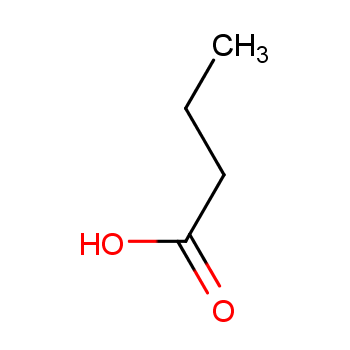
Butyric acid, also known as butanoic acid, is a short-chain saturated carboxylic acid used widely as a flavoring agent, flavor enhancer and minor preservative in food and beverage products. It is the compound behind the characteristic buttery, creamy and cheesy notes of dairy, and the name itself derives from the ancient Greek word for butter. In finished foods it appears at very low concentrations, where it is valued for creating authentic dairy character rather than for any aggressive preservative action.
For product developers, the key technical questions are not simply whether butyric acid tastes of butter, but how its volatility and acidity interact with the rest of the recipe, how its unpleasant pure odor is managed through dose and masking, and how it can be handled safely on a production line. This guide consolidates those considerations into a practical B2B flavor-formulation framework.
| Function | Suitable Users | Core Technical Indicators | Compliance Framework |
|---|---|---|---|
| Butter and dairy flavoring agent | Flavor houses, dairy processors and developers of cheese, butter, ghee and dairy-analogue products | CAS 107-92-6; molar mass 88.106 g/mol; colorless liquid; aqueous solubility 60 g/L; foul odor masked at low dose | US FDA GRAS synthetic flavoring substance under 21 CFR 582.60; FEMA 2221; EU FLAVIS 08.005 |
| Flavor enhancer / aroma builder | Confectionery, bakery and beverage formulators building compound buttery and fruity aromas | Typical use level 0.05–2% depending on application; the free acid and its esters contribute different volatility and sensory profiles | Use within accepted flavor-use levels; labeling as a flavoring in accordance with destination-market rules |
| Secondary preservative | Product developers seeking mild antimicrobial support, especially through butyric acid esters in fruit-flavored systems | A weak organic acid whose undissociated form contributes antimicrobial activity; pKa approximately 4.82 governs the active fraction | Must be counted within permitted preservative and flavoring provisions; verify per category |
| Cheese and dairy-analogue character | Manufacturers of cheese analogues, dairy alternatives and cultured-style products who must reproduce dairy notes | Free butyric acid is a leading contributor to the aroma of hard cheeses such as parmesan | Composition and labeling requirements for analogues differ by market |
Butyric acid is a straight-chain alkyl carboxylic acid with the chemical formula CH3CH2CH2CO2H, corresponding to C4H8O2. It is also known as butanoic acid, ethylacetic acid, 1-propanecarboxylic acid and propylformic acid. It is a small, water-miscible organic acid that behaves as a typical short-chain fatty acid, sitting at the boundary between flavor and preservative function.
Butyric acid occurs naturally in butter, hard cheeses such as parmesan, milk (especially from goats and sheep), yogurts, cream and a range of fermented foods. Natural and vegetable fats typically contain it in esterified form, which is why it is released during the lipolysis that gives aged dairy products their characteristic aroma. It is also formed in the human colon through bacterial fermentation of dietary fiber, where it supports the cellular health of the large intestine.
In the food industry the same molecule is used for two distinct reasons: its characteristic taste provides buttery overtones in flavorings, while its esters are frequently used to boost fruit aroma and act as preservatives. Product developers should recognise that "free acid" and "esterified" forms are not interchangeable, because they differ in volatility, sensory intensity and the way they must be dosed.
Explore the butyric acid technical encyclopedia for further chemical and application data.
| Parameter | Specification / Description |
|---|---|
| Chemical name | Butanoic acid |
| Common names | Butyric acid, ethylacetic acid, 1-propanecarboxylic acid, propylformic acid |
| Molecular formula | C4H8O2 |
| Molecular weight | 88.106 g/mol |
| CAS Number | 107-92-6 |
| EC Number | 203-532-3 |
| FEMA / JECFA Number | FEMA 2221; JECFA 87 |
Butyric acid is not primarily added to food to perform a structural function such as gelling or emulsifying. Its value is sensory and, to a lesser degree, antimicrobial: it contributes dairy and fermented notes through the olfactory system, while as a weak organic acid it can suppress certain microorganisms.
Butyric acid is a volatile fatty acid, meaning it readily partitions into the gas phase above a food and reaches the olfactory receptors directly. This volatility is why a tiny quantity can dominate a buttery or cheesy aroma, and equally why the free acid produces an aggressive, rancid odor in concentrate. Humans detect it only above roughly ten parts per million, whereas animals with acute scent detection, such as dogs, can perceive it at around ten parts per billion.
As a typical carboxylic acid, butyric acid lowers pH and, in its undissociated form, can disturb microbial cell membranes; the pKa of approximately 4.82 determines how much of the molecule is present in that active form at a given pH. This mechanism is modest compared with dedicated preservatives, so butyric acid and its esters are usually treated as aroma contributors that carry a secondary antimicrobial benefit rather than as primary preservation systems.
Esters of butyric acid, such as those used to deliver fruit and dairy aromas, are generally more stable and more pleasant in odor than the free acid. Because ester hydrolysis releases the parent acid over time, the choice between free acid and ester is effectively a choice about when and how intensely the buttery note is released during storage and consumption.
Industrially, butyric acid is produced mainly by chemical synthesis, typically the oxidation of butyraldehyde derived from propylene obtained from crude oil. This route delivers a high-purity material at commodity scale, though the route and purification train influence the trace impurity profile and therefore the odour quality of the finished ingredient.
Butyric acid can also be produced by fermentation, in which obligate anaerobic bacteria, chiefly of the genus Clostridium, carry out glycolysis and oxidise sugars, and occasionally amylose and pectin, to pyruvate and then to butyric acid. Fermentative routes are attractive because they can use renewable agricultural residues as substrates.
For food-grade material, production route is only one part of qualification. Manufacturers should also evaluate assay, identity, water content, colour and the trace impurities that can shift the odour character, and should confirm the grade offered is intended for food use rather than industrial application.
From a formulator's perspective, the most useful comparison is among butyric acid and the closely related short-chain fatty acids that share its flavor-building role, rather than among unrelated chemical families.
Butyric acid sits alongside propionic and caproic acid in the family of volatile short-chain fatty acids that define aged-dairy and fermented aromas. In a typical cheese flavoring, butyric acid may account for the single largest share of the acid fraction, with propionic, iso-butyric, 3-methylbutanoic and caproic acids contributing the supporting notes. Because each member has a different volatility and odour threshold, the ratio between them matters as much as the total.
Esters of butyric acid are widely used as preservatives and aroma components, particularly where a fruit character is wanted, because they are less aggressive in odour than the free acid and release the buttery note gradually. They should be evaluated as distinct ingredients with their own use levels.
Butyrate is also a critical microbial metabolite that mediates the effects of the gut microbiota on the immune system, helping to maintain intestinal immune homeostasis. This physiological role does not by itself justify a functional claim on a food product, but it explains the commercial interest in butyrate as a nutrition ingredient as well as a flavor.
| Parameter | Butyric Acid | Propionic Acid | Caproic Acid |
|---|---|---|---|
| CAS number | 107-92-6 | 79-09-4 | 142-62-1 |
| Chemical type and molar mass | Four-carbon straight-chain saturated acid; 88.106 g/mol | Three-carbon straight-chain saturated acid; 74.08 g/mol | Six-carbon straight-chain saturated acid; 116.16 g/mol |
| Aqueous solubility | Fully miscible, listed at 60 g/L; supports use in aqueous beverages | Fully miscible with water and therefore easy to disperse | Only slightly soluble; tends to require an oil phase or solubiliser |
| Odour character | Strong, rancid and cheesy in concentrate; buttery at low dose | Sharp, acidic and somewhat cheesy, typical of Emmental | Fatty, goaty and slightly rancid, associated with aged cheese |
| Primary use | Butter, cheese and dairy flavour building across many categories | Mould-inhibiting preservative and cheese flavour component | Dairy and cheese flavour component at very low dose |
| Formulation advantage | Very high flavour impact per unit mass, so dosage cost is low | Recognised antimicrobial action as well as flavour | Adds depth and persistence to aged-dairy aromas |
| Key limitation | Volatile and heat-labile above about 72 °C; off-odour risk if overdosed | Sharp odour can dominate if not balanced | Poor water solubility and harsh character if overused |
| Property | Typical Description |
|---|---|
| Physical form | Liquid at room temperature, oily and colorless |
| Odour and taste | Foul and unpleasant in concentrate, but buttery and quickly masked at low dose |
| Molar mass | 88.106 g/mol |
| Melting / boiling point | −5.1 °C / 163.7 °C |
| Density | 0.9528 g/cm³ at 25 °C (liquid); 1.135 g/cm³ at −43 °C (solid) |
| Solubility and acidity | 60 g/L in water; pKa about 4.82; pH about 2.92 at 0.1 M |
| Vapour pressure / viscosity | 0.112 kPa at 20 °C; viscosity 1.814 cP at 15 °C; refractive index 1.3991 |
| Stability and storage | Volatile above about 72 °C and oxidation-labile; keep closed, cool and well ventilated |
| Function | Typical Applications | Key Formulation Objective |
|---|---|---|
| Dairy flavour building | Cheese, cream, butter, ghee, yogurt and dairy-based beverages | Reproduce authentic cultured and aged notes at a dose low enough to avoid rancidity |
| Confectionery character | Candies, gummies, soft chews and frozen desserts | Add creamy and buttery depth without overpowering fruit or mint systems |
| Bakery and chocolate notes | Cake, bread, chocolates and compound coatings | Reinforce butter and milk character in reduced-fat or analogue recipes |
| Beverage and fruit aroma | Dairy-based and fruit beverages, fruit preparations and syrup systems | Deliver stable aroma in solution and use esters where preservative support is also wanted |
| Analogue and alternative products | Cheese analogues, dairy alternatives and imitation dairy products | Bridge the gap between plant bases and dairy expectations |
Begin with the intended sensory character and the category use levels, commonly between 0.05% and 2% depending on application. Because butyric acid is so potent, the working range is narrow, and even a small overage can turn a pleasant butter note into an objectionable rancid one.
Before batching, confirm identity, assay, moisture, colour and odour quality against the approved purchasing specification, and check that the grade is intended for food use. A certificate of analysis should be matched against that specification rather than accepted on the supplier's name alone.
Decide deliberately whether the buttery note should come from the free acid, from an ester, or from a blend, since the two differ in volatility, stability and preservative contribution. Esters suit a slower release or a fruit character, while the free acid is used where immediate dairy impact is the priority.
In many processes the acid is best added late, after any high-temperature steps and after the base pH has been set, so that volatilisation and neutralisation are minimised. Adding it into a hot or alkaline mass can both drive the aroma off and convert the free acid to its salt.
Confirm the sensory outcome and the acid content in the finished product rather than assuming that the added amount survives processing. Evaporation, reaction with bases and analytical recovery all mean that theoretical addition is not the same as measured result.
The following formulation is an illustrative technical example adapted from a published cheese-flavoring composition, rather than a universal commercial recipe. Actual levels must be recalculated according to target character, raw-material potency, processing losses and destination-market requirements.
| Ingredient | Illustrative Quantity | Technical Role |
|---|---|---|
| Butyric acid | 50.0% | Dominant buttery and cheesy character of the flavour concentrate |
| 3-methylbutanoic acid | 14.0% | Adds ripe, sweaty cheese depth typical of aged varieties |
| 3-methyl-1-butanol and isobutanol | 11.0% and 3.0% | Fusel alcohol notes that round out the fermented character |
| Iso-butyric and caproic acid | 9.0% and 8.0% | Supporting acids that broaden the dairy aroma profile |
| Propionic acid | 2.0% | Sharp, marked note and mild antimicrobial contribution |
| Amines (triethyl, dimethyl, trimethyl, piperidine, pyrrolidine) | Trace, about 0.05–2.0% each | Impart the savoury, slightly fishy nuance of mature cheese |
| Water and balance | To 100% | Carrier that sets the working concentration of the blend |
A second illustrative system, a beverage syrup, shows how aroma and acidity are balanced in solution: orange oil about 2.60%, sucrose acetate isobutyrate 4.00%, starch emulsifier 15.00%, sodium benzoate preservative 0.10%, citric acid 0.35% and water to 78.00%. Here butyric derivatives contribute aroma within the oil phase rather than acting as bulk acidulants.
Regulatory treatment of butyric acid depends on both its identity as a flavoring substance and the intended use of the finished product. A supplier's statement that a material is "food grade" does not by itself establish compliance in every destination market, and flavoring provisions are often defined by category rather than by a single blanket limit.
| Market / Framework | Technical Relevance | Compliance Action |
|---|---|---|
| United States FDA | Butyric acid is generally recognized as safe (GRAS) and is categorised among synthetic flavoring substances under 21 CFR 582.60. | Confirm the intended food category, use level and labelling against current FDA requirements. |
| European Union | Butyric acid is an approved flavoring agent listed in the EU FLAVIS database under number 08.005 for flavoured foods. | Check the current FLAVIS entry, category conditions and applicable flavoring legislation. |
| FEMA / JECFA | FEMA concludes that butyric acid is GRAS for food use (FEMA 2221), and the substance also carries JECFA number 87. | Use these assessments as supporting evidence while applying the binding requirements of each market. |
| Category maximum use levels | Average maximum use levels vary widely by food category, being higher in condiments, imitation dairy and baked goods and lower in beverages and meat products. | Benchmark the intended level against category guidance rather than treating one figure as universal. |
| EU REACH and BPR | REACH obligations depend on tonnage and use; the Biocidal Products Regulation is generally not the governing framework for butyric acid used as a flavoring. | Verify the exact supply-chain status and confirm BPR relevance only where a biocidal purpose is intended. |
| ISO 22000 / HACCP | Food-safety management systems support control of contamination, traceability and the safe handling of volatile acids. | Maintain supplier qualification, batch traceability, ventilation and validated quality procedures. |
Butyric acid has a long history of safe use as a flavoring substance, and its GRAS status reflects that record at levels normally encountered in food. As with any strong acid, however, the concentrated material is corrosive and unpleasant in odor, and safe handling depends more on engineering controls and ventilation than on any property of the finished food.
At excessive intake the practical considerations are those of any short-chain fatty acid: gastrointestinal discomfort and, for butyrate salts, the possibility of mild laxative effects. Because butyric acid is also produced endogenously in the colon, the body is well adapted to low-level exposure, but that familiarity does not convert it into a therapeutic ingredient.
For food manufacturers, the most important safety principle is to separate flavoring use from health claims. A conventional food or beverage should not be marketed with unsupported claims that imply treatment or prevention of disease, and any statement about gut health or metabolic benefit must be substantiated against the claims rules of the target market.
| Food Category | Average Maximum Use Level (ppm) | Formulation Note |
|---|---|---|
| Baked goods | 44 / 106 | Higher end reflects butter-rich bakery where dairy notes are expected. |
| Beverages (non-alcoholic and alcoholic) | 9 / 16 and 3.5 / 30 | Confirm aroma retention and sensory intensity across the shelf life. |
| Chewing gum, condiments and imitation dairy | 60 / 270; 125 / 200; 101 / 183 | High permitted levels suit intense systems and analogues that must mimic dairy. |
| Fats, frozen dairy, gelatins, hard candy | 9 / 26; 9 / 14; 13 / 45; 39 / 103 | Oil interaction, low temperature and gel networks all moderate release. |
| Meat, milk, snack and soft candy | 7 / 7; 15 / 15; 24 / 48; 32 / 42; sauces 9 / 9 | Low to moderate ceilings; balance against sugar and fruit acids to avoid rancidity. |
These values are published category guidance and should not be interpreted as universal legal maximums. Product developers should verify the current permitted levels and any category conditions applicable to the intended market and product type.
Concentration explains the apparent contradiction. In concentrate, butyric acid has a foul, rancid odour, so it is handled with ventilation and delivered through flavour compounds rather than neat. In a finished food it is present at very low levels, where the same molecule reads as a pleasant buttery note and is masked by the surrounding aroma.
It depends on the release profile you want. The free acid gives immediate, high-impact dairy character, while esters are milder in odour, often more stable, and release the buttery note gradually as they hydrolyse. Esters are frequently chosen where fruit aroma or preservative support is also part of the brief.
Add the acid late, after any high-temperature steps, and after the base pH has been set, because butyric acid is volatile above about 72 °C and reacts with bases. Confirm retention by measuring the finished product rather than assuming the added amount survives.
It contributes some antimicrobial activity as a weak organic acid, and its esters are sometimes described as preservatives, but it should not be relied upon as a primary preservation system. Treat the effect as a secondary benefit and select dedicated preservatives for the real spoilage risk.
| Identifier | Value | Resource |
|---|---|---|
| Chemical name | Butanoic acid | Technical encyclopedia |
| CAS Number | 107-92-6 | Chemical dictionary |
| CAS product lookup | 107-92-6 | Supply search |
| Supplier / trade search | 107-92-6 | Supplier search |
1. U.S. Food and Drug Administration. Synthetic Flavoring Substances and Adjuvants, 21 CFR 582.60; butyric acid, CAS 107-92-6.
2. Flavor and Extract Manufacturers Association. Flavor Ingredient Library entry for butyric acid, FEMA number 2221.
3. European Union. Food Flavourings Database, FLAVIS number 08.005.
4. Joint FAO/WHO Expert Committee on Food Additives. Specification for butyric acid, JECFA number 87.
5. FEMA. Average maximum use levels of butyric acid by food category.
6. Reviews on butyric acid and its role in gut health and intestinal immune homeostasis.
7. MDPI. Butyric Acid: Sources, Production and Applications.
8. Studies on fermentation routes to butyric acid using Clostridium species and renewable substrates.
9. U.S. Code of Federal Regulations, Title 21, Food and Drugs, Subpart G, flavoring substances.
10. Patent literature on cheese flavoring and beverage syrup compositions containing butyric acid.
|
 |
 |
|
 |
|
 EN
EN
 Agricultural News
 Food News
 Industrial News
 Cosmetic News
 Pharmaceutical News
 Science News

 3YRS
3YRS

