-
We detected your language preference as English. Would you like to switch to the English version for a better experience?
Switch to English
Stay here


Alginate is a polysaccharide derived from brown seaweed and is widely used in the food industry to modify rheology, bind water, stabilize emulsions and form films. Its most valued property is the ability to form an ionic gel in the presence of multivalent cations without any heating step, a behavior that underpins its use in gelled desserts, restructured foods and the encapsulation of bioactives.
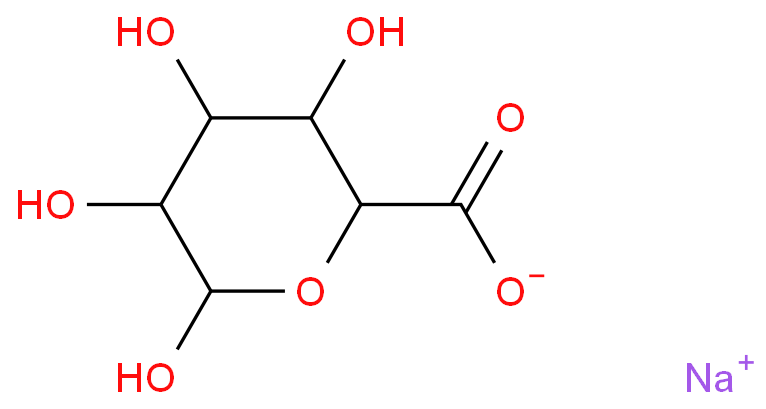
For product developers, the key technical questions are not simply whether alginate can thicken a sauce or set a jelly, but how its mannuronic-to-guluronic block ratio, molecular weight, cation choice and pH environment combine to determine gel strength, elasticity, syneresis and release kinetics. This guide examines alginate's chemistry, industrial extraction, comparative behavior across its salt forms, practical formulation steps and the regulatory framework that governs its use in food and nutrition.
| Function | Suitable Users | Core Technical Indicators | Compliance Framework |
|---|---|---|---|
| Cold-set gelling agent forming thermo-irreversible ionic gels with divalent cations. | Developers of gelled desserts, jellies, gummies and restructured foods. | Gels form above 1-1.5 percent sodium alginate; optimum gelling near 37.6 °C but possible at room temperature. | E401 for sodium alginate; GRAS in the US; ADI recorded as not specified by JECFA. |
| Thickener and texturizer raising viscosity and improving mouthfeel. | Sauce, dairy, bakery and beverage formulators targeting body and creaminess. | 1 percent sodium alginate solution yields about 117 mPa s; shear-thinning in solution. | Category-specific maximum use levels apply; verify per market and product type. |
| Encapsulant and coating agent protecting and controlling release of actives. | Nutraceutical, flavor and functional-food developers delivering sensitive ingredients. | Pore size 5-200 nm; release by diffusion or erosion of the gel matrix. | Food-contact and supplement rules apply; confirm encapsulation aids are permitted in the market. |
| Stabilizer and emulsifier preventing oil and water separation. | Dressing, mayonnaise and sauce manufacturers seeking emulsion stability. | Stable over a wide pH range; viscosity rises as pH drops, precipitating below pH 3.0. | Documented purity and heavy-metal limits required; align to codex identity criteria. |
| Moisture-retention and film-forming agent extending shelf life. | Bakery, meat and fresh-produce processors reducing moisture loss. | Forms protective films; thermostable gels over 0-100 °C before depolymerization. | Good manufacturing practice and lot traceability underpin compliance. |
Alginate is a naturally occurring polysaccharide found in the cell wall and inter-cellular matrix of brown seaweeds, where it exists as an insoluble mixed salt of the cations present in seawater, chiefly calcium, sodium and magnesium. The biopolymer can represent up to 40 percent of the dry matter of brown seaweeds, making it one of the most abundant structural carbohydrates in the marine environment. It is this natural function, binding and structuring tissue, that translates directly into its commercial value as a thickener and gelling agent. For a broader reference, see the encyclopedia entry on alginates.
The alginate polymer is built from two monomeric units: beta(1-4)-linked D-mannuronic acid (M) residues and alpha(1-4)-linked L-guluronic acid (G) residues. Rather than repeating regularly, these monomers are arranged in blocks of consecutive M residues, blocks of consecutive G residues, and regions of alternating M-G sequences. The distribution is uneven and the molecule has no regularly repeating unit, which is why alginates from different seaweed sources behave differently despite sharing the same basic chemistry.
Commercially, alginates are supplied in the form of calcium, sodium, potassium or ammonium salts, each with slightly different gelation behavior and regulatory identity. Molecular weights typically range from 60,000 to 700,000 Daltons depending on the intended application, though food-grade specifications frequently cite a working range of 32,000 to 400,000. Higher molecular weight grades build more viscosity at equal concentration, while lower molecular weight grades dissolve more readily and produce firmer, more rigid gels.
The defining functional feature of alginate is its ability to form a gel on contact with multivalent cations, independent of temperature. This distinguishes it from gelatin and agar, which set or melt according to thermal history. Alginate gels are also thermo-irreversible once formed, meaning they do not re-melt on heating, which is critical for products that must hold shape through thermal processing.
| Chemical name | Alginic acid and its sodium, potassium, calcium and ammonium salts |
| Common names | Alginate, sodium alginate, algin, alginic acid sodium salt |
| Molecular formula | (C6H8O6)n repeating uronic acid units |
| Molecular weight | Typically 60,000-700,000 Daltons depending on application and source |
| CAS Number | 9005-38-3 (sodium); 9005-36-1 (potassium); 9005-35-0 (calcium); 9005-34-9 (ammonium) |
| EC Number | 618-415-6 (sodium alginate) |
| E / INS number | E 401 / INS 401 (sodium); E 402 / INS 402 (potassium); E 404 / INS 404 (calcium); E 403 / INS 403 (ammonium) |
| FEMA number | 2015 |
Alginate gels by interacting with divalent cations, a highly selective process in which affinity increases in the order Mn < Zn, Ni, Co < Fe < Ca < Sr < Ba < Cd < Cu < Pb. The classic egg-box model describes ionotropic gelation with calcium: calcium cations nestle into the cavities formed by pairing G sequences of adjacent alginate chains, with each cation binding four G residues to build a three-dimensional network. Calcium is the most commonly used crosslinking cation, though trivalent cations such as aluminum and iron produce a more compact network because their triple charge enables additional bonding.
Gels also form by acid precipitation when the pH drops below the polymer's dissociation constant. M and G residues have pKa values of 3.38 and 3.65 respectively, so alginate carries a negative charge across a wide pH range. A rapid pH decrease precipitates alginic molecules as aggregates, whereas a slow and steady drop produces a continuous alginic acid bulk gel stabilized by hydrogen bonding, in which M-block residues also participate.
The ability to gel on contact with multivalent ions makes alginate valuable for encapsulating nutrients, flavors, enzymes, bacteria and other bioactive molecules. The porous gel network, with pore sizes of about 5-200 nm, allows small soluble molecules to diffuse in and out while retaining larger ones. Core materials are released either by diffusion, when actives smaller than the pore size migrate out, or by erosion when the matrix disintegrates at high pH or in the presence of cation chelators such as EDTA and citrate.
Alginates occur naturally in the cell wall and inter-cellular matrix of brown seaweeds, where they exist as an insoluble mixed salt of the cations found in seawater. Industrially, they are produced by aqueous extraction from marine seaweeds of the taxonomic group brown algae (class Phaeophyceae). The alginate-yielding seaweeds, called alginophytes, are mainly harvested from wild populations, though artificial cultivation is an increasingly important supplementary source.
Commercially important genera include Ascophyllum, Durvillaea, Ecklonia, Laminaria, Lessonia, Macrocystis and Saccharina. The choice of source is not trivial, because the M:G block ratio differs between species and even between harvest sites, and that ratio governs the molecular weight, physical properties and gel behavior of the resulting product.
The aqueous extraction protocol generally comprises five steps: acidification of the seaweed, alkaline extraction with sodium carbonate (Na2CO3), solid-liquid separation, precipitation and drying. Acidification converts the insoluble mixed salts into alginic acid, alkaline extraction solubilizes the polymer, and the separation and precipitation steps recover a purified alginate that is then dried and milled. For food and nutrition use, buyers should confirm the salt form, the M:G ratio where relevant, viscosity grade and heavy-metal limits, and request a certificate of analysis for each lot.
Sodium alginate is the most widely used form and the workhorse of food gelling. It forms a gel with calcium ions and suits food thickening, jellying and the encapsulation of flavors and drugs. Because it is readily water-soluble, it is typically the starting material that is later crosslinked with a calcium source.
Potassium alginate is similar to the sodium salt but has slightly different gelation behavior, and it is used in food as a thickening and stabilizing agent. It is often selected where a sodium-restricted formulation is desired or where the potassium ion is functionally preferable.
Calcium alginate is formed by combining sodium alginate with calcium ions and produces a gel more stable than sodium alginate alone. It is used to make gel-like products such as fruit jellies and desserts, and because the crosslinking is already in place, it offers a pre-set structure for restructured foods.
Ammonium alginate is formed by combining sodium alginate with ammonium ions and is less commonly used in food. It nonetheless appears in regulated maximum-use tables for specific categories, and its existence reflects the family's breadth of salt chemistry.
Alginates can be chemically modified for biomedical and specialty applications by introducing hydrophilic moieties such as alkyl groups or hydrophilic polymers into the matrix. Long-chain alkyl groups such as dodecyl or octadecyl can be bonded to the alginate by esterification, altering rheology, gelling and crosslinking behavior. Independently, alginate derived from different brown seaweed species contains different proportions and sequences of M and G residues, and both molecular mass and molecular structure significantly affect the properties of the resulting gels.
| Parameter | Sodium Alginate | Calcium Alginate | Potassium Alginate | Ammonium Alginate |
|---|---|---|---|---|
| CAS number | 9005-38-3, the most common food-grade salt. | 9005-35-0, supplied pre-crosslinked. | 9005-36-1, used for sodium-reduced systems. | 9005-34-9, the least common food salt. |
| Chemical type | Sodium salt of alginic acid; water-soluble. | Calcium-crosslinked alginate; less soluble. | Potassium salt of alginic acid; water-soluble. | Ammonium salt of alginic acid; water-soluble. |
| Key property | Gels with calcium ions; the standard gelling base. | More stable gel than sodium alginate alone. | Similar to sodium with slightly different gelation. | Limited food use; regulated per category. |
| Primary use | Thickening, jellying, encapsulation of flavors and drugs. | Fruit jellies, desserts and restructured foods. | Thickening and stabilizing in food. | Specialty food categories under set limits. |
| Formulation advantage | High solubility and flexible cold-set gelation control. | Pre-set stability, useful for heat-processed shapes. | Enables reduced-sodium labeling where desired. | Provides an alternative salt for select applications. |
| Key limitation | Gel destabilized by calcium chelators such as citrate. | Lower solubility complicates uniform dispersion. | Tighter maximum-use limits than sodium alginate. | Least commonly available food-grade option. |
| Physical form | Powder |
| Color | White to yellowish-brown |
| Odor | No peculiar smell |
| Molecular weight | Between 32,000 and 400,000 |
| Density | 1.0 g/cm3 |
| Viscosity (1 percent sodium alginate) | 117 mPa s |
| Gelling temperature | Optimum 37.6 °C; can gel at room temperature |
| Melting point | 99 °C |
| Solubility | Slow in cold water, producing a viscous solution |
| Storage | Room temperature in an airtight container; hygroscopic |
| Function | Typical Applications | Key Formulation Objective |
|---|---|---|
| Thickener and texturizer | Sauces, gravies, dairy products such as yogurt and ice cream. | Raise viscosity and deliver a smooth, creamy mouthfeel without a thermal set. |
| Gelling agent | Gelled desserts, jellies, gummies, fruit jellies and puddings. | Set a thermo-irreversible gel that holds shape through storage and transport. |
| Encapsulant | Flavors, nutrients, probiotics and active ingredients. | Protect sensitive actives and control their release in the target environment. |
| Stabilizer | Salad dressings, sauces and mayonnaise. | Prevent separation of oil and water and extend emulsion stability. |
| Coating agent | Fresh produce and convenience products. | Form a barrier that reduces moisture loss and limits microbial growth. |
| Moisture retention agent and fat replacer | Baked goods, meat products, processed foods and low-fat recipes. | Bind water, extend shelf life and replace fat while maintaining body. |
| Clarifying agent | Beverages such as juices and nectars. | Flocculate and remove suspended particles to improve clarity. |
Begin by choosing an alginate whose M:G ratio and molecular weight match the target texture. High-G alginates form stronger but more brittle gels because G sequences create the calcium-binding junctions, while high-M alginates give weaker, more elastic gels with lower syneresis. Lower molecular weight grades form more rigid gels and dissolve faster, but they also show a greater tendency to synerese.
Decide between ionic crosslinking with cations and acid precipitation. For ionic gels, calcium is the common choice, while barium and aluminum produce smaller pore sizes than calcium alginate because of their higher affinity for the G block. Where a slower, more uniform set is needed, lower the gelation temperature, since slower calcium diffusion yields a more regular internal structure and higher rupture strength.
Gelling in sodium alginate occurs above about 1-1.5 percent; gels at 0.5-1 percent remain almost liquid, while higher concentrations are gelatinous and viscous. Particle size matters, because smaller particles release calcium faster, raising the gelation rate but lowering the final storage modulus, whereas larger particles gel more slowly and yield more elastic gels. Keep the system above pH 3.0 to avoid precipitation of alginic acid.
For encapsulation, balance porosity and crosslinker concentration against the intended release profile, since lower crosslinker concentrations increase the release rate and lower cation levels yield flattened particles with higher surface area. Confirm the gel survives thermal processing, noting that alginate gels are thermostable from 0-100 °C but undergo depolymerization above 100-120 °C, and that high-M alginates are less heat stable than high-G grades.
The following examples, taken from published formulation literature, illustrate how sodium alginate is dosed in practice. They are provided for orientation only and should be treated as starting points rather than validated recipes; every commercial product must be developed and verified against its own texture, stability and sensory targets.
| Ingredient | Illustrative Quantity | Technical Role |
|---|---|---|
| Sugar | 81.902 percent | Bulk sweetener and carrier for the strawberry gel concentrate. |
| Sodium alginate | 10.772 percent | Primary gelling polymer that sets the dessert on hydration. |
| Gum blend | 0.734 percent | Co-texturizer tuning body and syneresis of the finished gel. |
| Malic, fumaric and citric acid | 0.319 / 0.383 / 1.149 percent | Acid blend providing tartness and supporting acid-set gelation. |
| Sodium citrate and dicalcium phosphate | 2.426 / 0.575 percent | Buffer and calcium source controlling the rate of gel setting. |
| Artificial strawberry flavor, FD&C Red #40, maltodextrin | 1.452 / 0.003 / 0.284 percent | Flavor, color and free-flow dispersal aid for the dry blend. |
| Low-fat mayonnaise: oil, egg yolk, water, vinegar | 15 / 10 / 29 / 4.5 percent | Disperse phase, emulsifier and continuous phase for the dressing. |
| Sodium alginate in low-fat mayonnaise | 38 percent of the blend | Thickener and gelling agent exploiting irreversible calcium gelation. |
| Hypoallergenic wheat flour, sodium alginate, starch, curdlan, salt, water | 24 / 0.6 / 6.0 / 0.3 / 0.6 / 18 g | Noodle matrix in which alginate increases hardness and lowers rupture stress. |
Regulatory treatment of alginates is broadly permissive, but permitted use levels and identity criteria differ by salt form, food category and jurisdiction. The table below summarizes the principal frameworks and the compliance actions a formulator should verify. It is a risk-management overview and does not by itself establish compliance in any market.
| Market / Framework | Technical Relevance | Compliance Action |
|---|---|---|
| US FDA | Sodium, calcium, ammonium and potassium alginate are considered GRAS, with specific limits set by food category. | Confirm the finished-product use level falls within the category maximum, for example 4.0 percent in gelatines and puddings for sodium alginate. |
| EU food additives | The four salts are regulated as E401 to E404 and evaluated by EFSA, which has established an acceptable daily intake. | Verify the additive is permitted in the specific category and monitor EFSA re-evaluation outcomes. |
| JECFA / Codex | The ADI for all four alginate salts is recorded as not specified, indicating low toxicity under good manufacturing practice. | Align identity and purity specifications to Codex criteria for international trade. |
| National authorities | Individual markets may set their own maximum-use tables that differ from the FDA and EU lists. | Check the destination market's additive schedule and revise the formula if limits are tighter. |
| REACH (EU) | Alginates are registered industrial substances separate from their food-additive status. | Confirm supplier registration and safe-use information for non-food industrial uses. |
| ISO / HACCP | Food-grade alginate requires documented identity, purity and traceability from harvest onward. | Maintain lot-level certificates of analysis, including heavy-metal limits, and integrate into the HACCP plan. |
Alginate is generally considered safe for consumption and use in food and nutrition, and all four common salts are classified as Generally Recognized as Safe by the US FDA. It is not known to be toxic or harmful when consumed in normal amounts, and JECFA records an acceptable daily intake of not specified, reflecting a very wide margin of safety under good manufacturing practice.
Beyond its technological function, alginate has documented physiological effects that are relevant to product positioning. It can promote digestive health by increasing the bulk and water content of stool, supporting regular bowel movements and helping prevent constipation. It has also been studied for weight management, where it increases feelings of fullness and reduces appetite, potentially helping to control calorie intake.
Cardiovascular and metabolic benefits have likewise been reported. Alginate can bind triglycerides and reduce their absorption into the bloodstream, thereby lowering cholesterol levels, and it can slow the digestion and absorption of carbohydrates, producing a slower, more gradual release of glucose and helping to avoid blood sugar spikes. These effects are relevant to functional food and supplement developers, but any such claims must be substantiated and permitted under the applicable health-claim rules for the destination market.
| Food Category (Sodium Alginate) | Maximum Use Level (percent) | Functional Rationale |
|---|---|---|
| Hard candy | 10.0 | High loading tolerated to build structure and texture in confectionery. |
| Pimento ribbon for stuffed olives | 6.0 | Gelling and binding of a restructured savory component. |
| Gelatines and puddings | 4.0 | Cold-set gel formation for dessert systems. |
| Processed fruits and fruit juices | 2.0 | Thickening, suspension and clarification support. |
| Condiments and relishes | 1.0 | Body and emulsion stability at modest loading. |
| Confections and frostings | 0.3 | Texture control where only a light structuring effect is wanted. |
| All other food categories | 1.0 | General-purpose thickener and stabilizer default limit. |
Note: maximum use levels shown are for sodium alginate and are indicative only. Potassium, calcium and ammonium alginates carry different category limits, and all values must be verified against the current regulation for each market.
Alginate is a polysaccharide extracted from brown seaweeds of the class Phaeophyceae, such as Laminaria, Macrocystis and Ascophyllum. It is recovered by aqueous extraction in which the seaweed is acidified, alkalinized with sodium carbonate, then separated, precipitated and dried.
Alginate forms an ionic gel when its guluronic acid blocks bind divalent cations such as calcium in the egg-box model. Because gelation depends on ion exchange rather than temperature, it can set at room temperature, which suits cold-processed foods and encapsulation.
Yes. Sodium, calcium, potassium and ammonium alginate are considered Generally Recognized as Safe by the US FDA, and JECFA records their acceptable daily intake as not specified. The FDA nonetheless sets specific maximum use levels by food category.
Alginate is built from mannuronic acid (M) and guluronic acid (G) blocks. High-G alginates form stronger but more brittle gels because G sequences create the junctions that bind divalent cations, while high-M alginates form weaker, more elastic gels with lower syneresis.
| Identifier | Value | Resource |
|---|---|---|
| CAS number | 9005-38-3 (sodium alginate) | Dictionary entry |
| Encyclopedia | Technical overview of alginates | Encyclopedia page |
| Supply availability | Food-grade alginate lots and grades | Supply listing |
| Supplier search | Verified producers and distributors | Supplier directory |
1. FDA food additive regulations and maximum-use tables for sodium, potassium, calcium and ammonium alginate.
2. EFSA scientific opinions on the safety of alginic acid and its salts as food additives (E401-E404).
3. JECFA / WHO Food Additives Database — alginic acid and alginate salts, ADI not specified.
4. Journals UMCS — review article on alginates.
5. IntechOpen — book chapter on alginates.
6. NCSU Repository — thesis on alginates.
7. Google Patents — strawberry gel concentrate formulation with sodium alginate.
8. MDPI — low-fat mayonnaise formulation using sodium alginate.
9. J-STAGE — hypoallergenic wheat noodle formulation with sodium alginate.
|
 |
 |
 |
|
 |
 EN
EN
 Agricultural News
 Food News
 Industrial News
 Cosmetic News
 Pharmaceutical News
 Science News

 1YR
1YR

