-
We detected your language preference as English. Would you like to switch to the English version for a better experience?
Switch to English
Stay here


Sodium alginate, as a versatile compound, has a wide range of applications. However, as its usage in the food industry increases, concerns about potential side effects of sodium alginate have emerged. Commonly used as a food additive, sodium alginate is widely employed for stabilizing food, enhancing texture, and extending shelf life. Is sodium alginate safe for consumption? Some studies suggest that sodium alginate may lead to adverse reactions, such as allergic reactions and digestive issues. Therefore, understanding the potential side effects of sodium alginate is crucial for consumers. In this article, we will delve into the sodium alginate side effects to help individuals gain a more comprehensive understanding and use it cautiously.
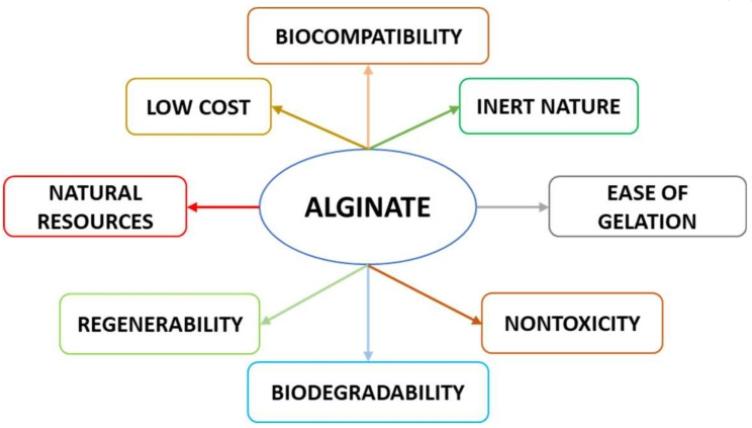
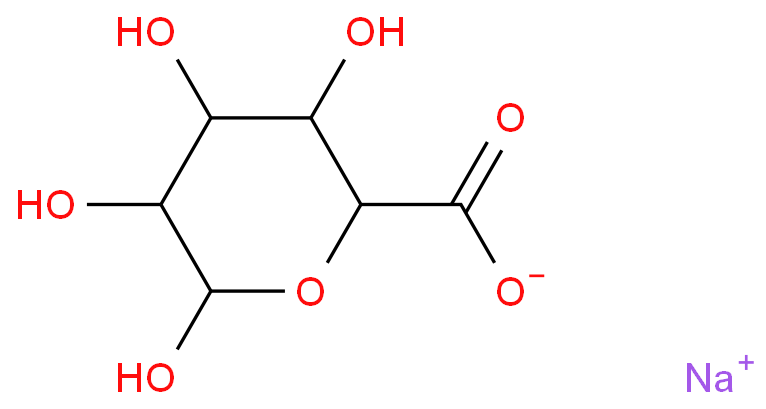
Sodium alginate is a natural polysaccharide extracted from brown seaweed. It consists of two connected anionic monomers, β-D-mannuronic acid (M) and α-L-guluronic acid (G). The polymer structure comprises homopolymeric regions of G units (G blocks), M units (M blocks), and alternating copolymeric regions (MG blocks). Sodium alginate can transform into a hydrogel upon encountering divalent cations like Ca2+, with the hydrogel containing over 98% water. It has found extensive use in drug delivery systems. Sodium alginate serves as a thickener, gelling agent, stabilizer, and emulsifier. It has been utilized in medical applications, food industries, and more recently in cosmetics as a skincare ingredient.
Is sodium alginate safe to eat? Sodium alginate is generally considered safe for most individuals. It is deemed a low concern ingredient by the Environmental Working Group (EWG). Safety assessments by the European Food Safety Authority indicate no safety concerns for consumers when used as expected in food (safety and efficacy of ALGAIA, a feed additive composed of sodium alginate from algae of all animal species).
Specific information regarding FDA approval of sodium alginate is not available, but its Generally Recognized as Safe (GRAS) status for use in food suggests FDA safety approval. The World Health Organization (WHO) does not have a separate approval process for food additives, but they collaborate with the Joint FAO/WHO Expert Committee on Food Additives (JECFA) to assess safety.
Sodium alginate generally has good tolerability, but some individuals may experience mild gastrointestinal side effects, such as bloating and diarrhea.
Allergic reactions to sodium alginate are rare but possible. Symptoms may include rash or hives; itching or swelling of the face, lips, tongue, or throat; wheezing or difficulty breathing.
In severe cases, life-threatening allergic reactions may occur. Symptoms of an allergic reaction include sudden dizziness, lightheadedness, or fainting; rapid heartbeat; severe difficulty breathing.
If you experience any of the above symptoms after taking sodium alginate, seek medical attention immediately.
Sodium alginate itself contains sodium. While the intake is typically minimal, consuming large amounts of sodium alginate can lead to high sodium intake. This may be a concern for individuals with certain health conditions, such as hypertension or heart disease.
Important Note: It is advisable to consult a doctor before taking sodium alginate, especially if you have any underlying health issues or concerns.

Is sodium alginate safe in pregnancy? Currently, there is limited research on the safety of sodium alginate during pregnancy. Although it is generally considered safe for consumption, precautions are advised:
Is sodium alginate safe for dogs? In general, small amounts of sodium alginate are safe for dogs and can even aid digestion. However, excessive intake may cause gastrointestinal discomfort, such as bloating or flatulence. If your dog has a sensitive stomach, it's best to avoid products containing sodium alginate. If in doubt, consult a veterinarian before introducing anything new to your dog, especially if they have any existing health issues.
While generally safe, handling sodium alginate requires consideration of the following precautions:
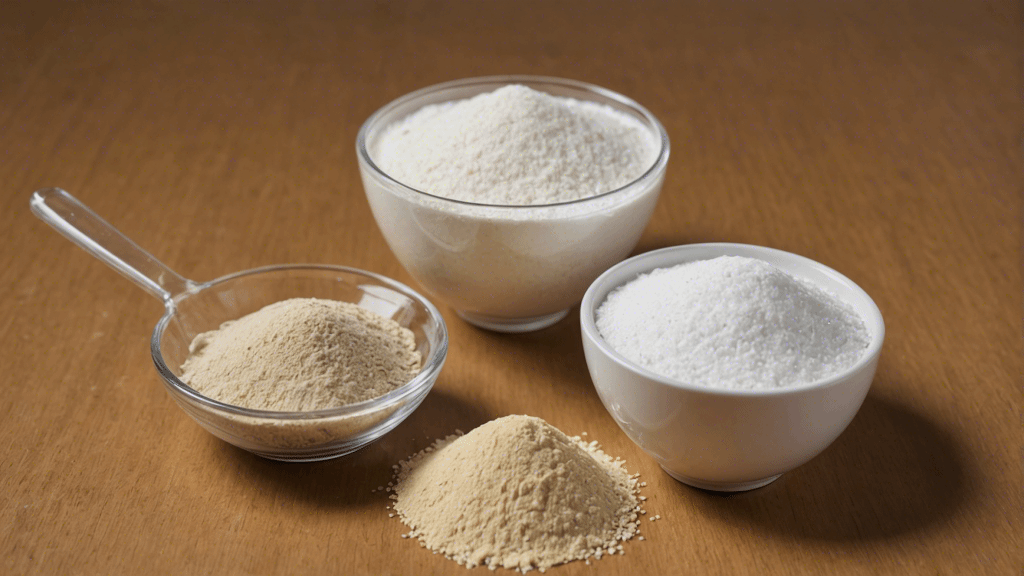
Avoid inhaling sodium alginate powder, as it can irritate the lungs. Also, avoid ingesting large amounts of sodium alginate, which may lead to bloating, gas, constipation, and nausea.
Sodium alginate may cause mild irritation to the skin or eyes. If it comes into contact with the skin or eyes, thoroughly rinse with water.
After handling sodium alginate, wash hands thoroughly with soap and water.
Avoid generating dust when handling sodium alginate powder. Wear a mask if necessary.
Store sodium alginate in a place inaccessible to children and pets.
Consult a doctor to determine the appropriate dosage for you, especially if you are taking any medications. Sodium alginate may interact with certain drugs, including antidepressants, antacids, and blood thinners. Inform your doctor of all medications you are taking before using sodium alginate.
Store sodium alginate in a cool, dry place, and seal tightly. If you experience any adverse reactions after using sodium alginate, discontinue use and consult a doctor.
Sodium alginate plays a significant role in many fields. However, its potential side effects cannot be overlooked. In this article, we discussed some possible side effects of sodium alginate, including allergic reactions and digestive issues. Although sodium alginate is widely used, it may trigger adverse reactions in certain individuals. Therefore, consumers should choose products containing sodium alginate cautiously and avoid excessive intake. By gaining a more comprehensive understanding of sodium alginate's side effects, we can better protect our health and promote sustainable development in related fields.
[1]https://www.healthline.com/health/gerd/alginates-for-gerd
[2]https://www.sciencedirect.com/topics/biochemistry-genetics-and-molecular-biology/sodium-alginate
[3]https://mckinleyresources.com/product/sodium-alginate/
[4]https://baike.baidu.com/
|
 |
 |
 |
 |
 |
 EN
EN
 Agricultural News
 Food News
 Industrial News
 Cosmetic News
 Pharmaceutical News
 Science News

 1YR
1YR

