-
We detected your language preference as English. Would you like to switch to the English version for a better experience?
Switch to English
Stay here


Sodium alginate and calcium lactate are two common food additives widely used in the food industry. Sodium alginate, as a stabilizer and thickener, is commonly used in the production of jellies, ice cream, cheese, and other foods to enhance their texture and mouthfeel. On the other hand, calcium lactate is used to adjust the acidity of food, prolong its shelf life, and promote bone health. Their significance in the food industry is evident, providing assurance for the quality and taste of food, and they have been widely studied and applied in various fields. In this article, we will focus on the roles and applications of sodium alginate and calcium lactate.
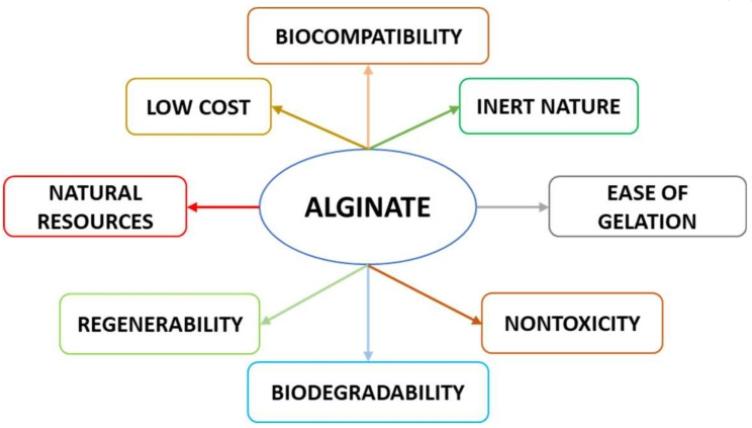
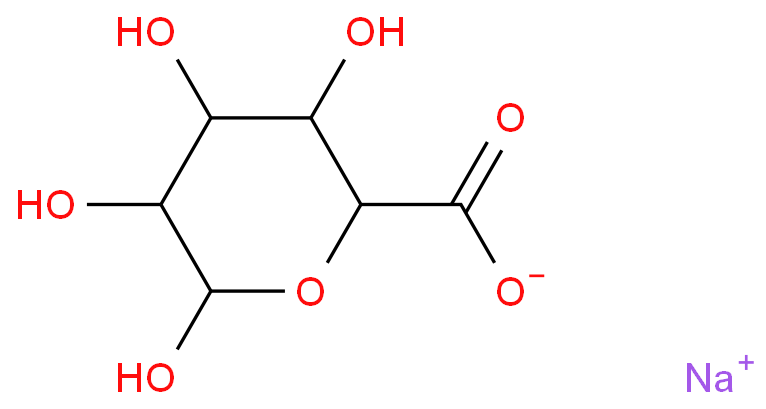
Sodium alginate is a natural thickening agent extracted from brown algae (kelp). It is a soluble dietary fiber, also known as algin or alginate. Kelp is the main source of sodium alginate. Sodium alginate interacts with calcium ions to form a gel. This gelling property makes it useful in various applications. It also has biocompatibility and is non-toxic.
Calcium lactate is a calcium salt of lactic acid. It is a white, odorless, water-soluble powder used as a food additive and a source of calcium. In food science, calcium lactate is primarily used as a firming agent and interacts with sodium alginate to form a gel through a process called spherification. Calcium lactate has less bitter taste compared to other commonly used calcium salts like calcium chloride. It also dissolves in cold water, making it ideal for use in cold foods.
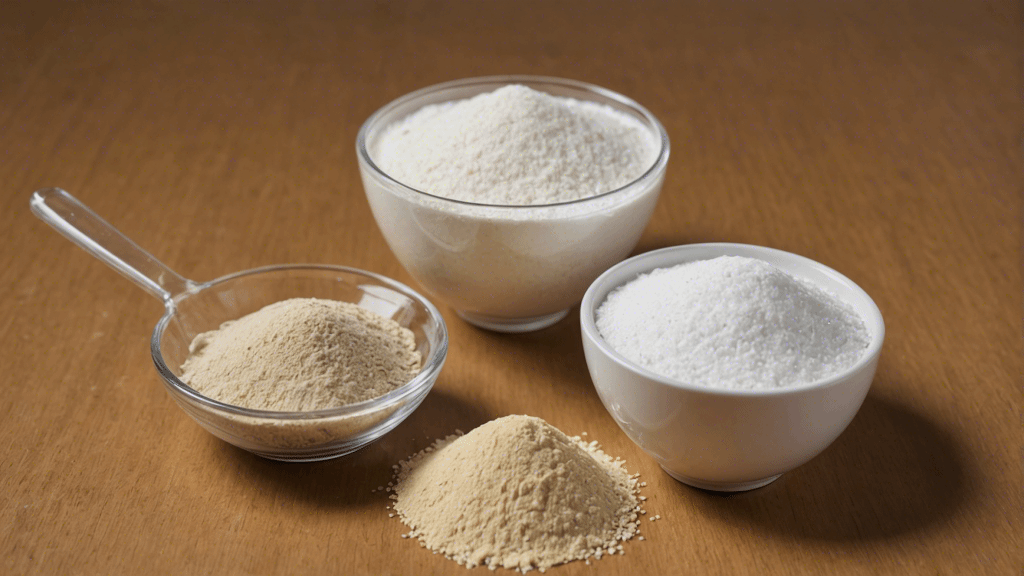
The spherification experiment demonstrates the gelling property of calcium lactate and sodium alginate reaction. Here's how to make interesting, elastic pearls:
Materials:
Steps:
The formation of pearls observed in the experiment is due to a process called ion exchange. Here's the breakdown of the chemical reaction:
This formulation utilizes sodium alginate and calcium lactate to create spheres through a process called spherification. This method can be used to manipulate various liquids, making dishes interesting and appealing. Spherification is a molecular gastronomy technique that has gained popularity in modern cooking. It involves transforming liquids into spherical shapes with the aid of a gelling agent. This cooking technique has completely changed the way chefs handle food, allowing for creative and visually stunning dishes.
If you're interested in molecular gastronomy techniques, spherification is a must-try cooking technique. It involves using gelling agents to create edible spheres or liquid-filled spheres. At the core of spherification is the chemical reaction between calcium lactate and sodium alginate, two gelling agents widely used in molecular gastronomy. When these two ingredients come into contact, they form a gel-like membrane around the liquid center. This creates the unique spherical shape that makes spherification so fascinating.
The success of spherification depends on the properties of calcium lactate and sodium alginate. Calcium lactate is a salt that dissolves easily in water, releasing free calcium ions when dissolved. On the other hand, sodium alginate is extracted from algae and is a water-soluble salt that forms a gel when it comes into contact with calcium ions. The formation of these gels allows for the creation of the unique spherical shape, making spherification so captivating.
The reaction between calcium lactate and sodium alginate is also influenced by other factors. For example, the acidity of the liquid used affects the strength of the gel. A more acidic liquid will weaken the gel, while a more alkaline liquid will make the gel firmer. That's why it's important to carefully measure the pH of the liquid used for spherification.
The formation of spherical shapes during spherification relies on the gel-like membrane formed around the liquid center. This membrane is made from sodium alginate and is created through the reaction between sodium alginate and calcium lactate. When sodium alginate comes into contact with calcium lactate, it forms a gel-like structure that traps the liquid center. The thickness of the membrane depends on the concentration of sodium alginate and calcium lactate in the solution. The higher the concentration, the thicker the membrane.
The gel-like membrane formed during spherification is essential for creating the spherical shape. It holds the liquid center and provides a perfect texture, adding flavor to any dish. Understanding the science behind this reaction is crucial for achieving successful spherification every time.
Spherification relies on the chemical reaction between calcium lactate and sodium alginate, two gelling agents commonly used in molecular gastronomy. The science behind spherification has played a significant role in the evolution of modern cooking. By understanding the molecular cooking techniques involved, chefs have been able to create visually stunning dishes, pushing the boundaries of traditional cooking. Whether you're an experienced chef or a home cook, spherification is a fun and exciting technique that can elevate your cooking skills to a new level.
Accurate measurement of sodium alginate and calcium lactate is crucial for the success of spherification. Using too little sodium alginate can result in a fragile gel that easily breaks. Conversely, using too much can result in pearls with thick rubbery shells. When using recipes, be sure to use measuring tools appropriate to the amount (e.g., teaspoons for small amounts, tablespoons for larger amounts). For the best results, invest in a milligram scale for the most precise measurements.
Finding a perfect substitute depends on the desired application. Here are some alternatives to consider:
Calcium chloride: A more common choice for spherification, but it can impart a slightly bitter taste. Use at lower concentrations compared to calcium lactate to achieve similar gelling.
When choosing alternatives, consider the following factors:
In this article, we delved into the important roles and applications of sodium alginate and calcium lactate in the food industry and chemical experiments. Sodium alginate, as a stabilizer and thickener, can enhance the texture and mouthfeel of food, while calcium lactate, besides adjusting acidity, also promotes bone health. These two multifunctional ingredients play indispensable roles in food production, providing essential assurance for the quality and taste of food. However, there is still much research to be done on sodium alginate and calcium lactate, and we encourage readers to further explore and experiment with these versatile ingredients to discover more potential and applications in the food industry.
[1]https://modernistpantry.com/products/sodium-alginate-calcium-lactate-value-pack.html
[2]https://www.capecrystalbrands.com/blogs/cape-crystal-brands/the-science-of-spherification
[3]https://kitchen-theory.com/sodium-alginate-spherification/
[4]https://www.quora.com/What-can-I-substitute-for-sodium-alginate
 |
 |
|
 |
 |
 |
 EN
EN
 Agricultural News
 Food News
 Industrial News
 Cosmetic News
 Pharmaceutical News
 Science News

 1YR
1YR

