-
We detected your language preference as English. Would you like to switch to the English version for a better experience?
Switch to English
Stay here


What is dl-Mandelic Acid Used For? dl-Mandelic acid finds significant applications in the skincare domain. With its moisturizing, antioxidant, and anti-inflammatory properties, it is commonly incorporated into skincare products to enhance skin hydration, reduce skin inflammation, and promote overall skin health and radiance. By adding dl-mandelic acid, skincare products can better moisturize the skin, slow down skin aging, and improve the efficacy and quality of skincare routines.
Mandelic acid is an α-hydroxy acid (AHA). Other AHAs on the market include lactic acid or glycolic acid. AHAs act as chemical exfoliants, helping to shed the surface cells of your skin. As skin cells die, they naturally replace themselves. However, this process slows down with age. The accumulation of dull and dry cells can make the surface of your skin look older. Removing them can brighten your complexion. Chemical exfoliants can also improve the appearance of fine lines and reduce the appearance of dark spots on the skin.
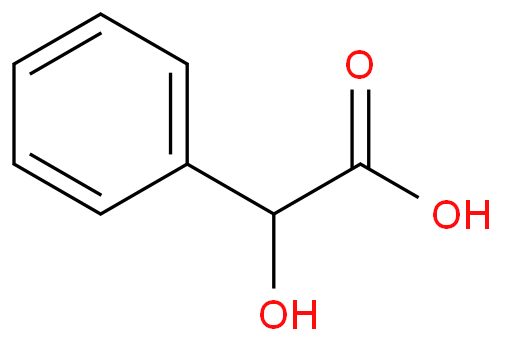
Products containing mandelic acid can trigger exfoliation. Therefore, regular use may lead to an overall brighter complexion. Some people may see improvements in the appearance of wrinkles or age spots. Mandelic acid can also help treat acne and reduce the appearance of acne scars. The molecular weight of mandelic acid is larger than other popular AHAs. The larger molecule size means that when you use it, it doesn't penetrate your skin as deeply. This makes it gentler than other acids. People with sensitive skin or prone to acne may experience fewer issues with mandelic acid compared to other AHAs. The structure of dl-mandelic acid is shown in the diagram below:
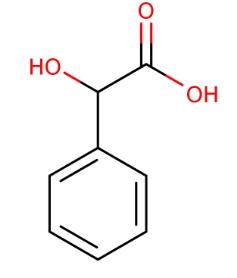
dl-Mandelic acid is a mild yet effective ingredient that is increasingly popular in skincare products. It belongs to a group known as alpha hydroxy acids (AHAs), renowned for their exfoliating properties.
Dl-mandelic acid can help eliminate acne by unclogging pores and reducing excess oil production. With a larger molecular size compared to other fruit acids, it can penetrate more gradually, making it suitable for sensitive skin prone to acne.
In individuals with mild to moderate oily skin, mandelic acid can help reduce excess sebum (oil) that can lead to acne. A clinical trial lasting eight weeks found that women using mandelic acid gel cream twice daily experienced reductions in greasiness and shine. The study also found that 45% mandelic acid peel was more effective than 30% salicylic acid peel in treating inflammatory acne. Mandelic acid peel was as effective as salicylic acid in treating mild to moderate acne but with fewer side effects.
dl-Mandelic acid helps to fade dark spots and hyperpigmentation. By promoting cell turnover, it can encourage the production of fresh, evenly pigmented skin cells. This can result in a brighter, more radiant complexion. Treatments with mandelic acid concentrations ranging from 10% to 50% can lighten dark spots on the skin. Some doctors may combine mandelic acid with other ingredients for enhanced results. Consult a doctor for specific usage.
Mandelic acid can gently reduce the appearance of fine lines on aging skin. As skin ages, it naturally loses collagen, which contributes to a plump, elastic, and youthful appearance. Mandelic acid can stimulate collagen production, helping to soften fine lines and wrinkles, giving the skin a fuller appearance. Older skin also tends to produce less sebum and become drier. A small study found that a 40% mandelic acid peel helped women aged 48-71 years produce more facial oils, which helps moisturize dry skin and improve the appearance of fine lines.
dl-Mandelic acid is a mild yet effective daily skincare ingredient, but the frequency of your usage depends on the concentration of the product and your personal skin sensitivity. Lower concentrations (around 5%) are generally well-tolerated and can be used daily, while higher concentrations (10% or higher) may be more suitable for every other day use, especially for sensitive skin. It's always wise to start with lower concentrations and see how your skin reacts before increasing frequency or dosage.
To maximize the benefits of dl-mandelic acid, use it in both your morning and evening skincare routines. In the morning, use it after cleansing and before moisturizing but be sure to apply sunscreen as dl-mandelic acid can increase sensitivity to sunlight. In the evening, use it after cleansing but before heavier night creams to allow better penetration. By consistently using mandelic acid, you can experience clearer, brighter, and more even-toned skin.
(1) All alpha hydroxy acids (AHAs) can potentially irritate the skin. Use dl-mandelic acid with caution.
(2) Start slowly. Opt for products with lower concentrations as your first choice when using dl-mandelic acid. Ensure it doesn’t irritate the skin before attempting more potent products.
(3) Limit usage. Can you use dl-mandelic acid every day? Experts recommend initially limiting the frequency of any AHA usage. Start by using it every few days and gradually increase to daily usage.
(4) Rotate products. What not to use dl-mandelic acid with? Exercise caution when using dl-mandelic acid alongside other AHAs or vitamin A derivative products. Using them concurrently may lead to dryness or irritation.
(5) Apply sunscreen. Alpha hydroxy acids can cause photosensitivity. Limit sun exposure by applying sunscreen with at least 8% zinc oxide, staying in the shade, or wearing protective clothing.
If in doubt, consult a doctor.
What is dl-mandelic acid used for?
dl-Mandelic acid is considered gentle and typically does not dry out or irritate the skin as aggressively as more potent AHAs—especially when using lower percentages in over-the-counter products. However, AHAs like mandelic acid can lead to sun sensitivity issues, so it's crucial to apply sunscreen when using mandelic acid. As with all AHAs, the skin may still react to mandelic acid. Potential side effects of AHAs include skin dryness and peeling, skin flaking, and skin irritation or redness.
Improper handling of dl-mandelic acid could be harmful. The risks fall into the following categories:
(1) Irritation to Skin and Eyes: Contact can cause irritation and burning.
(2) Harmful if Swallowed or Inhaled: Ingestion or inhalation can irritate the respiratory and digestive systems.
(3) Long-Term Potential Effects: Repeated exposure may lead to kidney damage.
Here are some safety precautions to follow when using dl-mandelic acid:
(1) Wear gloves, eye protection, and respiratory protection if necessary.
(2) Ensure good ventilation in the workspace.
(3) Avoid contact with skin and eyes.
(4) Thoroughly wash hands after handling.
(5) Store it in a cool, dry, sealed container.
If you're unsure how to handle dl-mandelic acid safely, it's best to consult with a professional or refer to the Safety Data Sheet (SDS) for detailed information.
dl-Mandelic acid serves an essential purpose in the skincare industry. Its moisturizing, antioxidant, and anti-inflammatory properties make it a common ingredient in skincare products, aiding in improving skin texture, reducing skin issues, and enhancing overall skin health and radiance. Through further research and development, the skincare benefits of dl-mandelic acid can be better utilized to provide consumers with more effective and safer skincare products.
[1]https://www.healthline.com/health/mandelic-acid
[2]https://pubmed.ncbi.nlm.nih.gov/31553119/
[3]https://onlinelibrary.wiley.com/doi/10.1111/jocd.13168
[4]https://www.health.com/mandelic-acid-benefits-8408138
[5]https://www.webmd.com/beauty/health-benefits-mandelic-acid
[6]https://learn.artofskincare.com/the-uses-and-benefits-of-mandelic-acid/
|
 |
 |
 |
|
 EN
EN
 Agricultural News
 Food News
 Industrial News
 Cosmetic News
 Pharmaceutical News
 Science News

 13YRS
13YRS


