-
We detected your language preference as English. Would you like to switch to the English version for a better experience?
Switch to English
Stay here


With the advancement of modernization, the widespread use of xylene has rapidly increased. Xylene is one of the important basic organic chemical raw materials, widely used in fields such as coatings, resins, pharmaceuticals, and military industries. Among them, para-xylene (PX) has the most extensive application, with its derivative, terephthalic acid, being a major raw material for polyester production. In recent years, with the continuous increase in downstream polyester production capacity, the market demand for PX has also shown a trend of annual growth. But is xylene toxic? Xylene has moderate toxicity, posing serious risks to human health, such as acute poisoning symptoms of eye and upper respiratory tract irritation and chronic poisoning symptoms of neuroasthenia syndrome. Additionally, it can have adverse effects on the environment. Prolonged exposure to xylene may lead to irregular menstruation and dry skin in women. Therefore, effective protective measures, such as wearing protective equipment and maintaining personal hygiene, are necessary whether in daily use or engineering construction to ensure the safety of individuals and the environment.
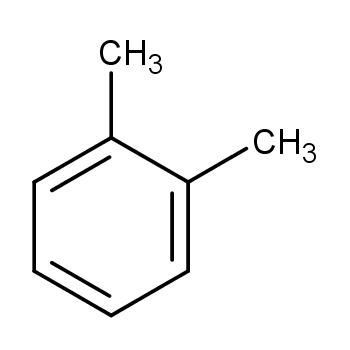
Xylene, a group of aromatic hydrocarbons, consists of two methyl (-CH3) groups attached to a benzene ring (C6H6). It has three different isomers: ortho-xylene, meta-xylene, and para-xylene, with para-xylene having the highest melting point. With a density lower than that of water, xylene is widely used as a solvent in organic solvents and paint coatings. In the industrial sector, xylene is primarily used in the production of synthetic fibers, plastics, resins, dyes, and other chemicals. It serves as a solvent in plastic and rubber production, effectively dissolving these materials. Additionally, xylene is an important raw material for the synthesis of pharmaceuticals, pesticides, cellulose, and cellulose acetate.

In household products, xylene finds extensive use in paint coatings, solvent-based adhesives, nail polish, wood coatings, printing inks, lighters, and paints. However, due to xylene's toxicity and flammability, precautions should be taken to avoid excessive exposure and storage.
Xylene, a solvent that is easily soluble in ethanol, chloroform, or ether, possesses certain toxicity. Pollution sources of xylene can be categorized into outdoor and indoor sources. Outdoor sources include industrial emissions from chemical plants, paper mills, food processing, and automobile manufacturing, as well as human activities such as traffic exhaust and paint drying. Indoor sources include permanent sources like insulation materials, composite panels, paints, and coatings from indoor decoration materials, outdoor pollution sources like xylene-contaminated outdoor air, and incidental sources like furniture, cosmetics, and electronic products. Xylene pollution not only harms human health but also contributes to photochemical pollution, posing a threat to the ecological environment.
Xylene primarily enters the human body through inhalation, ingestion, or skin contact. Most ingested xylene is excreted from the body within 8 hours. However, due to its lipophilicity, about 4-10% of xylene is stored in fat and takes longer to be excreted. Information on the health effects of xylene on the human body mainly comes from specific case reports and related occupational research reports. Chronic inhalation of xylene can lead to central nervous system suppression, eye and respiratory tract irritation, among other symptoms.
Household products containing xylene typically include paints, solvents, adhesives, and surface coatings for furniture. Using these products may pose risks of xylene exposure. Is inhaling xylene toxic? Long-term or high-level exposure to xylene may result in symptoms such as neurosis, dermatitis, and confusion. Particularly noteworthy is the potential risk of developing tumors with prolonged exposure, as well as damage to the heart and lung tissues. Acute poisoning may manifest as dizziness, headaches, coughing, tightness in the chest, and in severe cases, may lead to coma, respiratory failure, etc.
Is xylene inhalation toxic? The toxicity of xylene has long been a concern despite its widespread use in the chemical industry. Symptoms of xylene poisoning vary depending on the route of exposure, including inhalation, skin contact, and ingestion. Depending on the exposure route, the symptoms of poisoning may vary.
Xylene toxicity symptoms include: when the xylene concentration is 435-870 mg/m3, symptoms such as headaches and nausea may occur, while at concentrations of 870-2175 mg/m3, dizziness and vomiting may occur. Symptoms are more pronounced when exposed to high levels of xylene pollution (>4350 mg/m3). Very high concentrations of xylene (>43500 mg/m3) can lead to loss of consciousness. Acute xylene poisoning symptoms mainly include dizziness, headaches, nausea, and irritation of the eyes, nose, and throat. Long-term or excessive inhalation of xylene can lead to chronic poisoning, with symptoms mainly including fatigue, memory problems, hearing loss, and skin irritation, and severe cases may even lead to coma, respiratory depression, or death. Prolonged exposure to xylene may also lead to chronic dermatitis, as skin contact with xylene can cause skin irritation symptoms. The symptoms of chronic xylene poisoning are relatively hidden and may go unnoticed by patients, making them easy to overlook.
In contrast, toluene has similar toxicity to xylene but is slightly less toxic. This may be because the toxicity of toluene mainly comes from the side chain groups, while the effect of the side chain groups in xylene is smaller. Therefore, in some cases, toluene may be safer than xylene.
Xylene is widely present in modern society, from solvents, tapes, adhesives used in home decoration to insecticides, and even in our daily lives, we may come into contact with xylene. However, we know little about the health risks of this toxic substance.
Xylene has been proven to be carcinogenic. Long-term exposure to environments with high concentrations of xylene, in particular, may increase the risk of lung cancer, leukemia, and other cancers. Occupations such as miners, traffic police, firefighters, and painters who are exposed to xylene for long periods are prone to lung cancer. In addition, women who work night shifts frequently are more prone to breast cancer, which may also be related to xylene exposure. Furthermore, the impact of xylene exposure on the nervous system and lungs is significant. It may cause neurological disorders, headaches, nausea, and may lead to blood system diseases such as leukopenia, leukemia, liver and kidney function damage, and heart damage. It is worth noting that xylene in cooking fumes can also cause respiratory diseases such as lung cancer, chronic obstructive pulmonary disease, and bronchitis. Pregnant women exposed to xylene may also face risks. Exposure to xylene during pregnancy may lead to developmental problems in babies, increasing the risk of miscarriage and premature birth. Therefore, pregnant women are advised to minimize exposure to xylene.
Based on these health risks, it is advisable to avoid exposure to xylene as much as possible. If exposure cannot be avoided, protective measures should be taken, such as maintaining a well-ventilated space, wearing protective equipment, and prohibiting smoking. Choosing environmentally friendly home renovation materials can also effectively reduce xylene intake. In addition, housewives who are exposed to xylene in cooking fumes are at increased risk of lung cancer, so extra attention should be paid to the generation and treatment of cooking fumes.
For workplaces involving the use of xylene, proper ventilation must be ensured to reduce its concentration and protect the health of employees. Appropriate personal protective equipment, such as gas masks, goggles, protective clothing, gloves, and shoe covers, should be worn during any operation to reduce the risk of inhalation and skin contact. Additionally, regularly replacing activated carbon and starting the desorption system after saturation can effectively reduce xylene concentration.
When using household products containing xylene, follow the product instructions and ensure use in a well-ventilated environment. After use, store them in a cool, ventilated place, away from heat and flames, and avoid mixing with other chemicals.
When storing products containing xylene, minimize the risk of accidental contact. Store them in dedicated storage cabinets and keep their packaging intact. Furthermore, strict compliance with relevant regulations and standards, such as packaging, labeling, loading, and unloading, should be observed during storage and transportation to ensure no harm to the environment and human body.
Waste containing xylene should be handled according to relevant regulations and standards, such as incineration and oxidation treatment, to minimize environmental pollution. Moreover, ensure the safety of operators during waste management to avoid harm to their health. Xylene disposal methods are classified as follows:

Xylene is a dangerous chemical that can cause severe symptoms such as headaches, nausea, vomiting, dizziness, and weakness upon exposure. Immediate medical attention is required for such symptoms, especially for workers who are exposed to xylene for long periods. Therefore, if you experience any related symptoms, such as nausea, headaches, dizziness, as well as eye fatigue and coughing from poisoning, it is advisable to consult a doctor immediately and seek medical attention as soon as possible. When using chemicals in daily life, attention to safety and regular physical health checks, especially in cases of prolonged exposure to xylene, is necessary. Providing healthcare professionals with information about personal xylene exposure is also essential, as it helps them conduct a more comprehensive assessment and treatment.
It is emphasized again that educational content cannot be used as a basis for disease treatment. If you experience any discomfort, please consult a regular hospital immediately.
Xylene poisoning is caused by long-term inhalation of high concentrations of toluene, xylene vapor during manufacturing, use, and storage processes due to accidents such as pipeline damage and valve leakage. Main occupations include the petrochemical industry, chemical raw material manufacturing industry, and paint and pigment manufacturing industry. Xylene poses a significant hazard to human health, with moderate toxicity leading to symptoms such as conjunctival and pharyngeal congestion, dizziness, headaches, nausea, chest tightness, limb weakness, confusion, and unsteady gait. Individuals exposed to xylene for long periods need to wear protective equipment and pay attention to personal hygiene. Prevention measures include strengthening workshop ventilation, exhaust and production equipment sealing, and maintenance, as well as personal protection and regular medical examinations.
It is strongly recommended to share this information with others who may be at risk of xylene exposure, raising awareness and vigilance of xylene toxicity and safe handling practices!
[1] Wang, A. (2023). Study on the Degradation Efficiency and Mechanism of Xylene by Chlorine Dioxide [D]. North University.
[2] Wang, Y., Shao, X., Jiang, H., et al. (2022). Occupational Health Risk Assessment of Toluene and Xylene in Dalian Paint and Coating Industry [J]. Occupational and Health, 38(24), 3323-3326.
[3] Li, N. (2022). Study on the Diffusion Kinetics of Xylene on ZSM-5 Molecular Sieve [D]. Taiyuan University of Technology.
[4] Yu, T., Wang, Z., Yang, D. (2019). Progress in Alkylation of Toluene to Xylene on ZSM-5 Molecular Sieve [J]. Petrochemical Technology and Economy, 35(05), 29-33.
 |
 |
 |
 |
 |
|
 EN
EN
 Agricultural News
 Food News
 Industrial News
 Cosmetic News
 Pharmaceutical News
 Science News

 1YR
1YR


