-
We detected your language preference as English. Would you like to switch to the English version for a better experience?
Switch to English
Stay here


Zinc citrate dihydrate, a common nutritional supplement, finds wide applications in the realm of health supplements and pharmaceuticals. It offers various health benefits, including boosting the immune system and promoting wound healing. This article delves into the benefits of zinc citrate dihydrate to provide readers with a better understanding of its positive impacts on the human body.
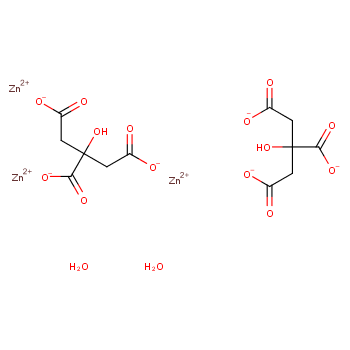
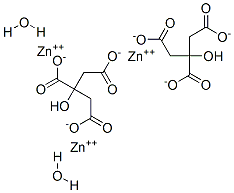
Zinc citrate dihydrate, a white fine powder, serves as a form of zinc supplement. It comprises zinc bound with citric acid, along with two water molecules (denoted by "dihydrate" in its name). Zinc, an essential mineral present in many foods, may not be adequately obtained from the diet by some individuals. Zinc citrate dihydrate is a common form of zinc used in dietary supplements.

Zinc citrate dihydrate serves as a dietary ingredient and nutrient for supplementing zinc. It is known to be used in oral care products. Zinc is a vital antioxidant nutrient essential for protein synthesis, wound healing, blood stability, normal tissue function, and aiding in the digestion and metabolism of phosphorus. It also regulates muscle contraction and maintains the body's alkaline balance.
Zinc is an essential trace element crucial for maintaining the structure and catalytic function of over 200 enzymes involved in major metabolic pathways, including nucleic acid metabolism, protein synthesis, and cell division. Although zinc status remains challenging to ascertain, zinc deficiency appears to be prevalent among children in many developing countries, adversely affecting body growth, immune function, neurological development, and reproductive outcomes. The World Health Organization identifies zinc deficiency as a significant contributor to the disease burden in developing countries, particularly in those with high mortality rates. Several factors contribute to the development of zinc deficiency, including increased zinc requirements at certain stages of the lifecycle, poor absorption, impaired utilization, and increased losses due to repeated diarrhea. However, in most cases, the primary cause of zinc deficiency is inadequate dietary zinc intake and low bioavailability of zinc from phytate-rich plant-based diets, which inhibit zinc absorption.
Zinc is lost in large amounts during diarrhea, and zinc supplementation has been successful in treating diarrhea. WHO guidelines for diarrhea treatment recommend combining zinc supplementation with oral rehydration salt solution. WHO recommends using syrup or dispersible tablet forms of water-soluble compounds zinc sulfate (23% zinc), zinc acetate (30% zinc), or zinc gluconate (14% zinc) to manage infant diarrhea. Zinc sulfate and zinc acetate have a strong metallic, bitter, and astringent taste that needs to be masked. Additionally, the low zinc content of zinc gluconate makes this compound more expensive. Among zinc compounds allowed in the EU for supplementation or food fortification, zinc sulfate (water-soluble, zinc content 23%) and zinc oxide (water-soluble, zinc content 80%) are the cheapest and most commonly used.
An alternative zinc compound with good sensory properties is zinc citrate, which contains up to 31% zinc, is slightly soluble in water, odorless, and relatively low-cost.
It is a valuable source for individuals at risk of deficiency, such as pregnant women, children, and the elderly. By ensuring adequate zinc intake, we can support our body's natural defenses and promote overall health.
Zinc citrate dihydrate, as a zinc supplement, contributes to the normal functioning of the immune system. Methods include:
- Cellular Processes: Zinc plays a role in the development and function of various immune cells, such as white blood cells, aiding in combating infections.
- Enzymatic Activity: Zinc participates in enzyme activity, assisting immune cells in normal communication and function.
Some studies suggest that zinc lozenges containing zinc citrate dihydrate may potentially shorten the duration of common colds by reducing the severity of symptoms.
The idea of using zinc to ward off cold symptoms is based on laboratory experiments. Scientists found that zinc prevents rhinoviruses from entering cells. To test this idea, a study in 1984 used zinc as lozenges dissolved in the mouth, called troches. It compared people who took zinc with those who took troches without zinc. The study found that zinc shortened the time people felt unwell due to a cold.
However, it is important to note: more research is needed to determine the effectiveness of zinc citrate dihydrate in preventing or treating infections. If you are considering taking zinc citrate dihydrate to support immunity, it is best to consult a healthcare professional to determine if it is suitable for you.
Zinc citrate is a zinc supplement with potential benefits for skin health. Specifically:
- Anti-inflammatory and Antibacterial Properties: Zinc possesses anti-inflammatory and antibacterial properties. This aids in treating acne, a condition characterized by inflammation and overgrowth of bacteria in the pores. Zinc helps regulate oil production, reduce inflammation, and may lessen acne.
- Wound Healing and Collagen Synthesis: Zinc plays a crucial role in wound healing and collagen synthesis. Collagen is a protein that provides structure and elasticity to the skin. Adequate zinc levels can promote faster wound healing and make the skin look younger by promoting collagen production.
While these benefits have been suggested by studies, more reliable research is needed to determine the effectiveness of zinc citrate dihydrate therapy for acne treatment and overall skin health. Before starting any new supplement for skin issues, it is advisable to consult a dermatologist.
Rita Wegmüller et al. found that zinc absorption rates are relatively high with zinc citrate compared to zinc gluconate. Zinc citrate has an absorption rate of 61%, a value similar to the reported 71% absorption rate from zinc sulfate in adults ingesting 10 milligrams of zinc using the same DITR method. Furthermore, the results indicate that, as the cheapest and least soluble zinc supplement, zinc oxide's absorption rate is significantly lower than that of citrates or gluconates. The partial absorption of zinc in zinc citrate, gluconate, and oxide supplements is shown in the table below:

Zinc citrate is a useful zinc supplement compound. Currently, the WHO recommends using water-soluble compounds zinc sulfate, zinc acetate, or zinc gluconate in syrup or dispersible tablet form for diarrhea treatment. Zinc citrate may be a useful supplement on this list, particularly for chewable/crushable tablets, as it has better sensory properties than zinc acetate, zinc sulfate, and zinc gluconate, which have astringent, bitter, or metallic tastes. In terms of price and zinc content, zinc citrate has an advantage over zinc gluconate, costing $30 per kilogram of zinc compared to $78 per kilogram. Zinc citrate's advantages over zinc sulfate lie in its better sensory qualities and higher zinc citrate content (31% versus 23%), with similar prices and absorption rates.
Research suggests that zinc may shorten the duration of discomfort from the common cold, but it also comes with several side effects. Individuals taking zinc supplements often complain of stomach upset, taste disturbances, and oral irritation compared to those who do not. Other potential side effects of zinc supplementation can be more severe. Some individuals using zinc nasal sprays may experience permanent loss of smell.
Zinc citrate dihydrate is a form of zinc commonly found in supplements. Zinc is an essential mineral that plays crucial roles in many bodily functions, including immune function, wound healing, and enzymatic activity. While zinc citrate dihydrate is generally well-tolerated, it may cause side effects in some individuals, particularly at high doses. The most common side effects of zinc citrate dihydrate include:
- Nausea
- Vomiting
- Diarrhea
- Stomach cramps
- Metallic taste in the mouth
These side effects are typically mild and resolve on their own within several hours.
In rare cases, high doses of zinc can lead to more serious side effects such as:
- Copper deficiency
- Iron deficiency
- Kidney issues
If you experience any side effects from taking zinc citrate dihydrate, discontinue use and consult a healthcare professional.
1. It is important to take zinc citrate dihydrate with food to reduce the risk of stomach upset.
2. Do not take zinc citrate dihydrate concurrently with other medications (such as antibiotics or certain hypertension medications).
3. Zinc citrate dihydrate may interact with other supplements, such as iron or copper supplements.
4. Consult a healthcare professional before taking zinc citrate dihydrate, especially if you are pregnant, breastfeeding, or have any underlying health conditions.
Zinc citrate dihydrate and zinc citrate trihydrate are both forms of zinc citrate, which is a popular choice for dietary supplements due to its high bioavailability and gentle nature on the stomach. Here's a breakdown of the main differences:
- Zinc Citrate Dihydrate: Each molecule of zinc citrate contains two molecules of water.
- Zinc Citrate Trihydrate: Each molecule of zinc citrate contains three molecules of water.
- Solubility: Both are slightly soluble in water. However, some patents suggest that zinc citrate trihydrate may have slightly better flowability and is less prone to caking during storage.
- Zinc Content: Both have similar zinc content, approximately 31%.
- Taste and Odor: Both are tasteless and have a neutral odor.
- Zinc Citrate Dihydrate: Typically preferred for dietary supplements as it is listed in the United States Pharmacopeia (USP). Zinc citrate dihydrate USP powder can be used as a dietary ingredient and nutrient. It is known to be used in oral care products.
- Zinc Citrate Trihydrate: Currently not listed in any pharmacopeia, but due to its potentially better processing properties, it may be used in some food and cosmetic applications.
In conclusion, zinc citrate dihydrate, as a nutritional supplement, offers various health benefits, including promoting immune system health and maintaining skin health. Hopefully, this article has shed light on the health benefits of zinc citrate dihydrate, prompting readers to pay attention to health supplements and nutraceuticals. For specific usage of zinc citrate dihydrate, please consult healthcare professionals.
[1] https://www.jungbunzlauer.com/en/products/special-salts/zinc-citrate
[2] https://www.jostchemical.com/products/zinc/productcode2953/
[3] https://www.ncbi.nlm.nih.gov/pmc/articles/PMC3901420/
[4] https://www.mayoclinic.org/diseases-conditions/common-cold/expert-answers/zinc-for-colds/faq-20057769
|
 |
 |
 |
 |
 EN
EN
 Agricultural News
 Food News
 Industrial News
 Cosmetic News
 Pharmaceutical News
 Science News

 3YRS
3YRS

