
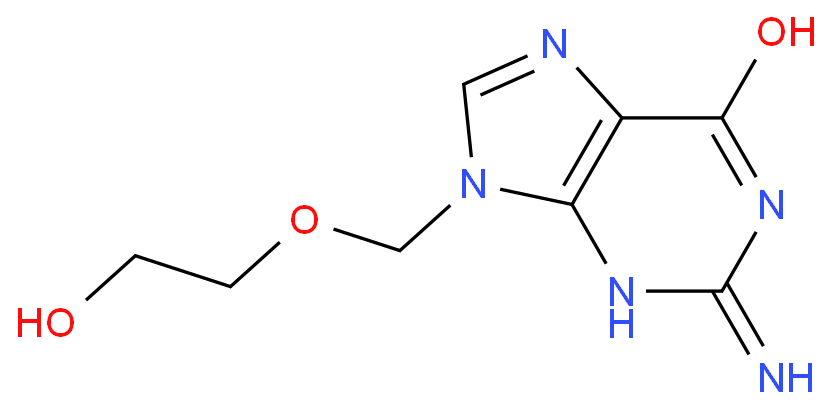
Acyclovir, with the chemical formula C8H11N5O3 and CAS number 59277-89-3, is an antiviral drug that has been widely used since the 1980s to treat infections caused by herpes simplex virus (HSV) and varicella-zoster virus (VZV). It works by inhibiting viral DNA replication, making it effective against conditions like cold sores, genital herpes, and shingles.
Famciclovir, with the chemical formula C14H19N5O4 and CAS number 104227-87-4, is a prodrug of penciclovir. Famciclovir is particularly effective in treating herpes zoster (shingles), and it is also used to manage HSV infections. Famciclovir has better oral bioavailability compared to its predecessor penciclovir, making it more effective for systemic use.
Acyclovir and Famciclovir are both antiviral medications used to manage herpes and shingles, but they differ in terms of bioavailability, dosing frequency, and preferred clinical applications. While both drugs aim to inhibit viral replication by targeting viral DNA polymerase, Famciclovir is often considered more convenient due to its higher bioavailability and less frequent dosing.


Both acyclovir and famciclovir are synthetically engineered antiviral agents that require complex chemical reactions to obtain their final form. However, the main distinction in synthesis is that famciclovir is a prodrug, which is converted into its active form, penciclovir, within the body. Acyclovir, on the other hand, is already in its active form, ready to combat the virus upon administration.
Acyclovir and famciclovir are both antiviral medications used to treat infections caused by herpes simplex virus (HSV) and varicella-zoster virus (VZV). Although they share a common purpose, their clinical applications and effectiveness differ due to variations in bioavailability, dosing schedules, and specific therapeutic indications. These differences influence the choice of drug depending on the type of infection, patient characteristics, and treatment goals.

Acyclovir is a cornerstone in the treatment of viral infections caused by HSV-1 and HSV-2, including cold sores (oral herpes) and genital herpes. It is also commonly used for shingles, a painful condition caused by reactivation of the varicella-zoster virus (VZV), which causes chickenpox. Acyclovir works by inhibiting viral replication, reducing the severity and duration of symptoms. The drug is typically administered orally for outpatient care, with higher doses or intravenous formulations used for more severe cases or when treating immunocompromised patients, such as those undergoing chemotherapy or organ transplantation.
While acyclovir is highly effective in treating these infections, its relatively low bioavailability (around 20%) is a limitation. This means that a larger dose is needed to achieve therapeutic levels in the bloodstream, which can lead to frequent dosing schedules. For conditions that require long-term management, such as chronic genital herpes, this can be inconvenient for patients, potentially affecting adherence to the prescribed regimen. In such cases, the need for higher doses or more frequent administration can sometimes result in side effects such as nausea, diarrhea, or headaches.
Despite these challenges, acyclovir remains a first-line treatment for HSV infections and shingles due to its proven efficacy, particularly in individuals who are not suitable candidates for other treatments or those who need immediate intervention for acute outbreaks.
Famciclovir, a prodrug that is metabolized into penciclovir in the body, is often preferred for treating shingles (herpes zoster) due to its superior bioavailability compared to acyclovir. The higher absorption rate of famciclovir allows it to reach therapeutic levels more efficiently, enabling patients to take fewer doses per day—typically three times a day compared to the five doses required by acyclovir for shingles. This reduced frequency of dosing makes famciclovir a more convenient option for many patients, improving treatment adherence and ensuring more consistent therapeutic effects.
In addition to shingles, famciclovir is effective in treating both oral and genital herpes, particularly in individuals with compromised immune systems, where the need for efficient viral suppression is critical. Famciclovir’s prodrug nature contributes to its generally better tolerability compared to acyclovir, especially with regard to gastrointestinal side effects. While acyclovir can sometimes cause nausea, vomiting, or abdominal discomfort, famciclovir tends to have a more favorable gastrointestinal profile, making it a preferred choice for patients who experience these side effects with acyclovir.
Because famciclovir is absorbed more efficiently, patients benefit from its longer half-life, which reduces the frequency of dosing and enhances convenience, particularly for those managing recurring outbreaks of HSV or shingles. This, combined with its efficacy in reducing pain and inflammation associated with shingles, makes famciclovir a strong candidate for those seeking a more streamlined treatment regimen.
In summary, both acyclovir and famciclovir are effective antiviral agents used to treat herpes simplex virus (HSV) and varicella-zoster virus (VZV) infections. Acyclovir has been the standard treatment for decades, but famciclovir offers certain advantages due to its better bioavailability, less frequent dosing, and improved patient convenience. Choosing between acyclovir and famciclovir depends on the patient's specific condition, preference for dosing frequency, and potential side effects.
| Side Effect |
Acyclovir |
Famciclovir |
|---|---|---|
| Digestive Issues | Rare, may cause mild nausea or upset stomach | Rare, but can cause mild nausea or diarrhea |
| Low Blood Pressure | Possible, may cause dizziness or lightheadedness | Possible, may cause dizziness or lightheadedness |
| Kidney Strain | Possible, especially with high doses or prolonged use | Rare, but should be used cautiously in those with kidney issues |
| Allergic Reactions | Rare, could include rash, itching, or swelling | Rare, could include rash, itching, or swelling |
When choosing between acyclovir and famciclovir for your health, it's important to consider the nature of your condition, dosing preferences, and potential side effects. Acyclovir is the standard treatment for herpes simplex virus (HSV) and varicella-zoster virus (VZV) infections, particularly for individuals who need long-term management of chronic conditions like genital herpes. It is effective, but it requires more frequent dosing and may cause digestive issues in some individuals.
In contrast, famciclovir is often preferred for the treatment of shingles due to its better bioavailability, meaning it is absorbed more efficiently into the bloodstream, leading to higher plasma concentrations. This allows for less frequent dosing, typically three times daily, compared to acyclovir's five times a day. Additionally, famciclovir is better tolerated by individuals with sensitive stomachs, as it has fewer gastrointestinal side effects.
Ultimately, if you're seeking convenience and fewer side effects, famciclovir might be the superior choice for managing herpes zoster or HSV infections. Its higher bioavailability means it offers effective treatment with fewer doses and a lower risk of digestive discomfort. On the other hand, if you require more affordable and widely available treatment or are treating a condition like genital herpes where acyclovir has a long-established track record, then acyclovir remains a highly effective and trusted option.
* It’s important to consult with your healthcare provider to determine the most appropriate treatment for your specific needs. Your provider can help assess factors such as the severity of your infection, your ability to tolerate the medication, and any underlying health conditions that may affect your treatment.
If you're looking to purchase these compounds, Guidechem is your go-to platform for sourcing high-quality raw materials and reliable suppliers. With our extensive global network, we connect you to a wide range of acyclovir suppliers and famciclovir suppliers, ensuring you find the right products to meet your specific research or production requirements. Whether you're in pharmaceuticals, healthcare, or other industries, Guidechem simplifies the sourcing process, offering verified supplier information, competitive pricing, and seamless communication.
[1]Acyclovir: Mechanisms of Action and Clinical Applications by L. T. Smith.
[2]Pharmacokinetics and Bioavailability of Famciclovir in by P. J. Roberts..
[3]Comparative Effectiveness of Antiviral Drugs for Herpes ZosterThe Journal of Infectious Diseases
[4]Recent Advances in Herpes Simplex Virus Treatments in Clinical Pharmacology & Therapeutics. in Antiviral Research.
|
 |
 |


 2YRS
2YRS


