
Lemon Balm, with the botanical name Melissa officinalis, has a long history of use as a herbal remedy for various ailments, including its application in treating cold sores caused by the herpes simplex virus (HSV). Its key active compounds, such as rosmarinic acid, have been shown to exhibit antiviral properties that may help reduce the symptoms of herpes outbreaks.
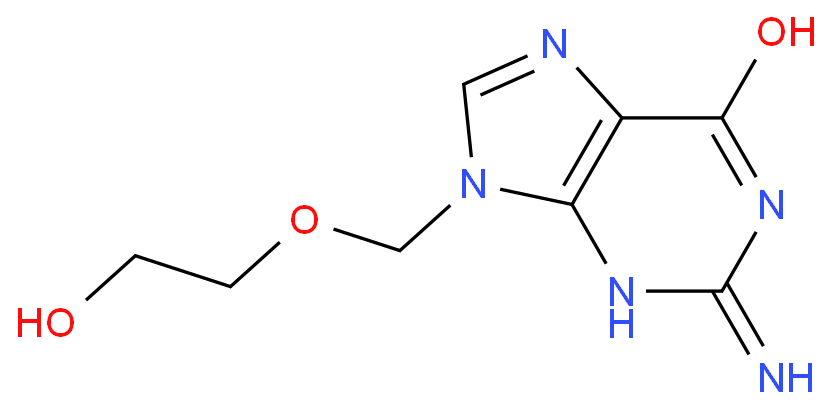
Acyclovir, with the chemical formula C8H11N5O3 and CAS number 59277-89-3, is a widely used antiviral medication that specifically targets the herpes simplex virus (HSV). Acyclovir works by inhibiting the replication of the virus, thereby reducing the severity and duration of herpes outbreaks.
When comparing lemon balm and acyclovir, both compounds are known for their antiviral effects, but they function in different ways. Lemon balm is a natural alternative that may help relieve symptoms like pain and irritation, while acyclovir is a pharmaceutical treatment that directly inhibits viral replication to accelerate healing.

Both compounds are processed differently: lemon balm is a natural herbal remedy with minimal chemical synthesis, while acyclovir is a synthetically manufactured drug with a precise, pharmaceutical composition.
When addressing herpes simplex virus (HSV) infections, two popular treatment options stand out: lemon balm and acyclovir. Both are effective in treating cold sores and herpes outbreaks, but their mechanisms of action, effectiveness, and applications differ significantly. Below, we explore these two treatments in greater detail, highlighting their unique benefits and drawbacks in managing HSV-related conditions.

Lemon balm has gained attention in recent years for its natural antiviral effects, particularly in treating cold sores caused by the herpes simplex virus. A study conducted in 2015 with 60 participants in Iran indicated that topical lemon balm is effective at reducing pain and irritation associated with oral herpes outbreaks. However, while lemon balm may alleviate pain more effectively than acyclovir, it is slower to promote healing.
In addition to its antiviral effects, lemon balm is known for its anti-inflammatory properties, which can help reduce the swelling and redness around cold sores. It is also a more gentle, natural option for those seeking an alternative to pharmaceutical treatments. Studies suggest that lemon balm may be effective against both HSV-1 and HSV-2, and its tincture form may be useful for more systemic viral infections, such as HIV-1.
Acyclovir is a well-established antiviral drug that is used to treat herpes simplex virus infections. It works by inhibiting the viral enzyme DNA polymerase, effectively stopping the replication of the virus. Acyclovir can be used both topically and orally, and is generally prescribed for acute herpes outbreaks to reduce the duration and severity of symptoms.
Oral acyclovir is typically prescribed for more severe or frequent herpes outbreaks, while topical acyclovir creams are applied directly to the affected area. Clinical studies have shown that acyclovir significantly speeds up healing compared to placebo treatments. However, it is important to note that acyclovir does not cure herpes, but rather reduces the viral load and speeds recovery from outbreaks.
The primary difference between lemon balm and acyclovir lies in their treatment approaches. Lemon balm is a natural, herbal remedy with antiviral and anti-inflammatory properties, making it an appealing option for those seeking a gentler, more holistic approach to managing cold sores and herpes outbreaks. While it may not work as quickly as acyclovir, its soothing effects, particularly for inflammation, and its low risk of side effects make it an attractive choice for mild to moderate outbreaks, or for individuals looking to avoid pharmaceutical medications.
Acyclovir, on the other hand, is a potent antiviral drug that works quickly to reduce symptoms and accelerate healing. It is particularly effective for severe outbreaks and those with a history of recurrent herpes infections. While it doesn’t cure herpes, its ability to manage symptoms effectively and reduce the frequency of outbreaks is unparalleled. However, its use may come with side effects, and long-term usage may lead to issues like antiviral resistance in certain cases.
For individuals looking for a natural remedy, lemon balm offers a mild, gentle alternative, though it may require more time to produce noticeable results. Acyclovir remains the standard treatment for more severe or frequent herpes outbreaks due to its rapid effectiveness.
In conclusion, while lemon balm offers a natural, gentler alternative to treating cold sores and herpes simplex virus infections, acyclovir is a highly effective pharmaceutical treatment for speeding up recovery. Lemon balm is particularly beneficial for those who prefer natural remedies or experience mild outbreaks, but acyclovir remains the gold standard for treating more severe herpes cases and preventing future outbreaks.
| Side Effect |
Lemon Balm |
Acyclovir |
|---|---|---|
| Digestive Issues | Rare, may cause mild nausea or stomach discomfort | Rare, can cause nausea, vomiting, or diarrhea |
| Slow Healing | Slower healing compared to pharmaceutical options | Effective at speeding up healing |
| Allergic Reactions | Rare, could include rash or itching | Rare, could include rash, itching, or swelling |
When deciding between lemon balm and acyclovir for the treatment of herpes simplex virus (HSV) outbreaks, it's essential to consider factors such as the severity of the infection, your preference for natural remedies, and any potential side effects. If you’re dealing with a mild outbreak or prefer natural alternatives, lemon balm might be a suitable choice. Its antiviral properties, although not as fast-acting as pharmaceutical treatments, can help alleviate symptoms like pain and swelling while being gentle on the body.
For more severe or recurrent HSV outbreaks, acyclovir is generally the preferred option due to its proven ability to inhibit viral replication. It works quickly to reduce the duration and severity of outbreaks, and it’s available in both topical and oral forms. Acyclovir has been extensively studied and is considered a gold standard in herpes treatment. However, it is a pharmaceutical drug and may have a higher potential for side effects compared to herbal remedies like lemon balm.
Ultimately, if you're looking for rapid relief and proven antiviral action, acyclovir is the superior choice. It is especially effective for individuals with frequent or severe outbreaks. However, if you’re interested in a natural, gentler alternative that may help manage symptoms of milder outbreaks, lemon balm is an excellent option.
*For optimal results, it is recommended to follow the guidance of your healthcare provider when selecting between these two treatments. Your healthcare provider can help you determine the best option based on your medical history, current symptoms, and specific needs.
If you're looking to purchase these compounds, Guidechem is your go-to platform for sourcing high-quality raw materials and reliable compounds suppliers. With our extensive global network, we connect you to a wide range of acyclovir suppliers, ensuring you find the right products to meet your specific research or production requirements. Whether you're in pharmaceuticals, food additives, or other industries, Guidechem simplifies the sourcing process, offering verified supplier information, competitive pricing, and seamless communication.
[1]Rosmarinic Acid: A Review of Its Antiviral Properties by K. L. Miller.
[2]Clinical Applications of Acyclovir in Herpes Treatment by T. M. Evans.
[3]Melissa officinalis: Therapeutic Effects and Applications in Journal of Herbal Medicine.
[4]Antiviral Effects of Acyclovir in Herpes Simplex Virus in Antiviral Therapy.
[5]https://en.wikipedia.org/wiki/Lemon_balm
 |
 |
|


 6YRS
6YRS

