-
We detected your language preference as English. Would you like to switch to the English version for a better experience?
Switch to English
Stay here


R Alpha Lipoic Acid (R-ALA) and conventional Alpha Lipoic Acid (racemic RS-ALA) are often treated as interchangeable ingredients in dietary supplement manufacturing. However, significant differences in stereochemistry, bioavailability, thermal stability, and industrial processability can dramatically affect formulation performance, regulatory compliance, and commercial success. This article examines the latest scientific evidence and sourcing considerations for procurement professionals and nutraceutical formulators.

One of the most common sourcing errors in the nutraceutical industry originates from the abbreviation "ALA". Depending on the context, ALA may refer to either Alpha Linolenic Acid or Alpha Lipoic Acid, two chemically unrelated compounds with entirely different regulatory classifications, biological functions, and supply chains.
Alpha Linolenic Acid (ALA) (CAS 463-40-1) is an essential plant-derived Omega-3 fatty acid containing three double bonds. Due to its high degree of unsaturation, it is highly susceptible to oxidative degradation and typically requires antioxidant protection and oxygen-controlled packaging.
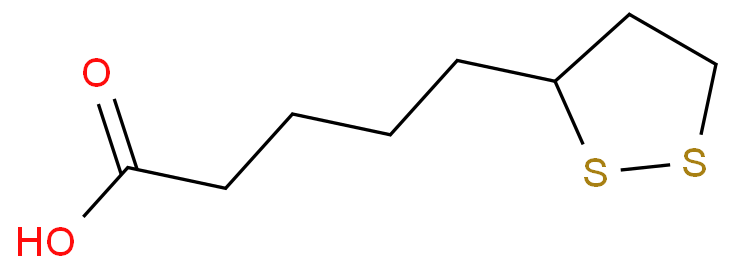
Alpha Lipoic Acid (ALA) (CAS 1077-28-7), also known as thioctic acid, is an organosulfur compound containing a five-membered dithiolane ring with a disulfide bond. It functions as a critical cofactor for mitochondrial enzyme complexes including the pyruvate dehydrogenase complex and α-ketoglutarate dehydrogenase complex.
In international procurement, misidentification frequently causes incorrect customs declarations, inappropriate HS classifications, specification mismatches, and quality-control failures. Therefore, sourcing teams should always verify both CAS number and molecular identity instead of relying on the abbreviation "ALA" alone.
(±)-Lipoic acid is a chiral molecule containing an asymmetric carbon atom. Commercially available conventional Alpha Lipoic Acid is typically a racemic mixture (RS-ALA), consisting of 50% R-(+)-Alpha Lipoic Acid and 50% S-(-)-Alpha Lipoic Acid.
The naturally occurring form synthesized in biological systems is exclusively the R-enantiomer. This stereochemical preference is important because mitochondrial enzyme complexes evolved to recognize the R-configuration through highly selective molecular interactions.
Using the classical lock-and-key model, R-ALA demonstrates superior compatibility with mitochondrial dehydrogenase complexes, while S-ALA exhibits significantly reduced biological activity. From a formulation perspective, this means that equal label claims do not necessarily translate into equivalent physiological performance.
For B2B quality assurance, leading manufacturers increasingly require enantiomeric verification through:
Premium R-ALA ingredients generally target enantiomeric purity levels above 98%, while pharmaceutical-grade materials may exceed 99% ee.
Pharmacokinetic studies consistently demonstrate meaningful differences between pure R-ALA and conventional racemic Alpha Lipoic Acid. Oral Alpha Lipoic Acid generally exhibits limited absolute bioavailability of approximately 30% due to poor gastric stability and substantial first-pass hepatic extraction.
Research from the Linus Pauling Institute and multiple clinical pharmacokinetic investigations indicates that R-ALA typically achieves higher plasma exposure (AUC) and higher peak plasma concentration (Cmax) compared with racemic formulations. The naturally occurring R-isomer is preferentially absorbed and maintained in circulation relative to S-ALA.
Alpha Lipoic Acid also demonstrates a relatively short plasma half-life, commonly reported at approximately 30 minutes, creating additional formulation challenges for sustained systemic exposure.
For formulators targeting premium clinical positioning, the improved pharmacokinetic profile of R-ALA often justifies its higher raw material cost, particularly in metabolic health, healthy aging, and mitochondrial support applications.
Despite its biological advantages, pure R-ALA presents significant manufacturing challenges. The free acid form exhibits a low melting point of approximately 46–49°C, making it highly vulnerable during high-speed tablet compression, granulation, and capsule filling operations.
Mechanical friction generated by industrial processing equipment can induce localized temperature increases sufficient to trigger melting and polymerization. Once polymerization begins, R-ALA may transform into sticky amorphous masses that disrupt production, reduce assay values, and cause severe equipment fouling.
By comparison, racemic Alpha Lipoic Acid typically exhibits a melting point around 60–62°C, providing a wider processing window and improved manufacturing robustness.
Expert Commentary: Mario Brufani, a long-time researcher in lipoic acid formulation science, has repeatedly emphasized that bioavailability improvements alone are insufficient if ingredient stability cannot be maintained throughout manufacturing and shelf life. In commercial-scale production, thermal stability often becomes a more decisive factor than theoretical biological activity.
To overcome these limitations, ingredient developers have introduced more stable delivery systems, particularly Sodium R-Lipoate (Na-RALA) and R-ALA Cyclodextrin Complexes.
Sodium R-Lipoate significantly enhances thermal stability, with reported decomposition temperatures exceeding 230°C in many commercial grades. The ionic structure also improves aqueous solubility compared with free R-ALA, facilitating improved dissolution behavior and formulation flexibility.
Cyclodextrin inclusion technology, particularly γ-cyclodextrin complexation, has emerged as another effective stabilization strategy. Studies demonstrate improved resistance to heat, humidity, and acidic gastric environments while simultaneously reducing the characteristic sulfur-associated throat irritation often reported with free R-ALA.
For 2026 nutraceutical product development, sodium R-lipoate and cyclodextrin-complexed R-ALA represent the most promising approaches for balancing bioavailability, manufacturability, and shelf-life performance.
FAQs
Q1: Is R-Alpha Lipoic Acid always better than conventional (±)-Lipoic acid?
From a biochemical perspective, R-ALA is the naturally occurring enantiomer and generally demonstrates superior pharmacokinetic performance. However, industrial stability and formulation cost must also be considered. For many large-volume products, stabilized Na-RALA or cyclodextrin-complexed R-ALA may provide a better balance than free R-ALA.
Q2: Why is Alpha Linolenic Acid often confused with (±)-Lipoic acid?
Both ingredients are commonly abbreviated as "ALA." Procurement teams should verify CAS numbers, chemical names, and intended functionality before purchasing to avoid costly sourcing errors.
Q3: What analytical methods verify R-ALA purity?
The most widely accepted methods include chiral HPLC analysis, optical rotation measurements, and determination of enantiomeric excess (%ee).
Q4: What is currently considered the best commercial form of (±)-Lipoic acid?
For premium nutraceutical manufacturing, Sodium R-Lipoate (Na-RALA) and R-ALA γ-cyclodextrin complexes are widely regarded as the most technically advanced solutions due to their improved thermal stability and formulation flexibility.
References
[1]. Keith DJ et al. "Age and Gender Dependent Bioavailability of R- and R,S-α-Lipoic Acid: A Pilot Study." Pharmacol Res. 2012;66(3):199-206.
[2]. Hermann R et al. "Enantiomer-selective Pharmacokinetics, Oral Bioavailability, and Sex Effects of Various Alpha-Lipoic Acid Dosage Forms." Clin Pharmacol Adv Appl. 2014;6:195-204.
[3]. Brufani M, Figliola R. "(R)-α-Lipoic Acid Oral Liquid Formulation: Pharmacokinetic Parameters and Therapeutic Efficacy." Acta Biomed. 2014;85(2):108-115.
[4]. Teichert J et al. "Plasma Kinetics, Metabolism, and Urinary Excretion of Alpha-Lipoic Acid Following Oral Administration in Healthy Volunteers." J Clin Pharmacol. 2003;43(11):1257-1267.
[5]. Ikuta N et al. "Analysis of the Enhanced Stability of R(+)-Alpha Lipoic Acid by the Complex Formation with Cyclodextrins." Int J Mol Sci. 2013;14(2):3639-3655.
[6]. CAS Registry Database. Alpha-Lipoic Acid (CAS 1077-28-7); Alpha-Linolenic Acid (CAS 463-40-1).
[7]. USP-NF Monographs and FCC Specifications for Alpha Lipoic Acid Raw Materials, 2025-2026 Editions.
Looking for high-purity R-ALA, Sodium R-Lipoate (Na-RALA), or advanced cyclodextrin-complexed Alpha Lipoic Acid ingredients with complete documentation, stereochemical verification, and global supply reliability? Guidechem helps manufacturers identify qualified suppliers and scalable sourcing solutions.
 |
 |
|
 |
 |
 |
 EN
EN
 Agricultural News
 Food News
 Industrial News
 Cosmetic News
 Pharmaceutical News
 Science News

 13YRS
13YRS


Expert Commentary: According to Dr. Robert Hermann, a clinical pharmacokinetics researcher who has published extensively on alpha-lipoic acid dosage forms, stereochemical composition is becoming an increasingly important differentiator in premium nutraceutical formulations. As global supplement brands shift toward evidence-based positioning, suppliers that can document enantiomeric purity through validated chiral analytical methods will have a significant competitive advantage.