 EN
EN


Amitriptyline, with the chemical formula C20H23N and CAS number 50-48-6, is a tricyclic antidepressant commonly prescribed for depression and anxiety disorders. It has also been used off-label to treat chronic pain, fibromyalgia, and insomnia due to its analgesic properties.
Gabapentin, with the chemical formula C9H17NO2 and CAS number 60142-96-3, is an anticonvulsant that has pain-relieving effects and is often used to treat certain seizure disorders and nerve pain. Gabapentin is also used off-label for conditions such as restless leg syndrome and postherpetic neuralgia.
Amitriptyline and Gabapentin are both effective medications for nerve pain, though they belong to different classes of drugs. Amitriptyline is primarily used as an antidepressant and is effective for a range of conditions, while Gabapentin is mainly used for nerve-related issues and as an anticonvulsant.

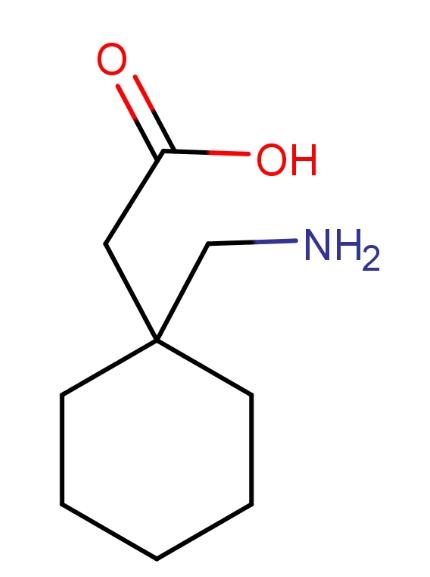
Both compounds involve organic chemistry techniques, but their pathways and starting materials differ. Amitriptyline is a tricyclic compound, whereas Gabapentin is a GABA analog.
Both Amitriptyline and Gabapentin are commonly used for the treatment of nerve pain, yet their applications, mechanisms of action, and side effect profiles are distinct, making them suitable for different types of patients and conditions. These differences are shaped by their chemical structures and how they interact with the nervous system, leading to varying therapeutic effects.

Amitriptyline, a tricyclic antidepressant, is traditionally used to treat depression but has become a well-established medication for various chronic pain conditions, particularly those involving nerve damage. It is commonly prescribed for conditions like diabetic neuropathy, postherpetic neuralgia, fibromyalgia, and other types of peripheral neuropathy. The drug works by inhibiting the reuptake of the neurotransmitters serotonin and norepinephrine in the brain and spinal cord. This action helps to modify the way pain signals are processed, thereby alleviating pain and discomfort.
Additionally, Amitriptyline's sedative properties make it particularly beneficial for patients who suffer from both pain and insomnia. Many individuals with chronic pain conditions experience difficulty sleeping, and Amitriptyline’s ability to promote sleep has made it a popular option for managing these dual symptoms. The sedating effects are particularly useful in cases of fibromyalgia and other pain syndromes that are often accompanied by sleep disturbances. This dual-action, addressing both pain and sleep, gives Amitriptyline a distinct place in the management of chronic pain with associated insomnia.
One of the advantages of Amitriptyline is its long-acting nature, which typically requires fewer doses throughout the day, making it more convenient for patients. However, this extended action can also lead to a higher risk of side effects. Common adverse effects include drowsiness, dry mouth, constipation, and blurred vision, all of which are typical of tricyclic antidepressants. Although these side effects are usually manageable, they may pose challenges, particularly for older adults or those with preexisting health conditions. Moreover, Amitriptyline should be used with caution in individuals who have a history of cardiovascular issues, as tricyclic antidepressants can sometimes cause changes in heart rate or blood pressure.
Gabapentin, while also effective for nerve pain, works through a different mechanism and is used to treat a broader range of conditions. It is frequently prescribed for conditions such as diabetic neuropathy, shingles (postherpetic neuralgia), and nerve pain following spinal cord injury. Additionally, Gabapentin is approved for the management of seizure disorders, such as epilepsy, where it helps to stabilize electrical activity in the brain by inhibiting excitatory neurotransmitters. Gabapentin specifically binds to calcium channels in nerve cells, preventing the release of neurotransmitters like glutamate and substance P, which are involved in the transmission of pain and the initiation of seizure activity.
Gabapentin’s mechanism makes it highly effective for nerve pain, and it is often preferred for conditions like shingles or diabetic neuropathy, where the pain can be particularly sharp or burning. Unlike Amitriptyline, which also has effects on mood regulation, Gabapentin does not impact serotonin or norepinephrine levels, making it less likely to cause mood-related side effects. This makes Gabapentin a good choice for patients who may have depression or anxiety but need pain management without the additional sedative or mood-altering effects of tricyclic antidepressants.
One of the standout benefits of Gabapentin is its relatively mild side effect profile compared to Amitriptyline. Although Gabapentin can cause dizziness, drowsiness, and peripheral edema (swelling in the extremities), these effects are typically less severe than those associated with tricyclic antidepressants. Gabapentin is often better tolerated, particularly in older adults or patients with preexisting conditions like heart disease, as it has fewer cardiovascular side effects. Moreover, Gabapentin does not cause the anticholinergic effects (e.g., dry mouth, constipation, blurred vision) commonly associated with Amitriptyline, making it a preferred option for many patients. Gabapentin is also less likely to cause cognitive impairments or confusion, which can be an issue with other medications used for nerve pain, including tricyclic antidepressants.
However, it is important to note that Gabapentin does carry the risk of dependence, especially when used long-term for conditions like chronic pain. This risk is generally lower compared to opioids, but it remains a consideration for healthcare providers when managing long-term therapy.
In summary, both Amitriptyline and Gabapentin are effective for treating nerve pain, but they differ in their applications and side effect profiles. Amitriptyline is better suited for patients who also need treatment for depression or insomnia, while Gabapentin is a preferred choice for patients with seizure disorders or those who find Amitriptyline’s side effects intolerable. The decision between the two should be based on the patient's specific symptoms, medical history, and tolerance to side effects.
| Side Effect |
Amitriptyline |
Gabapentin |
|---|---|---|
| Drowsiness | Common, especially when starting treatment | Common, can affect daily functioning |
| Dry Mouth | Common, can cause discomfort | Rare, less common than with tricyclics |
| Weight Gain | Possible, with long-term use | Rare, less likely compared to amitriptyline |
| Withdrawal Symptoms | Possible, especially with abrupt discontinuation | Possible, withdrawal should be gradual |
When deciding between Amitriptyline and Gabapentin for treating nerve pain or related conditions, it's important to consider the specific symptoms and health needs of the individual. Amitriptyline, a tricyclic antidepressant, is effective for chronic pain, particularly in conditions such as diabetic neuropathy and fibromyalgia. It is also useful for those who suffer from insomnia related to their pain or anxiety. Amitriptyline’s sedative properties make it a preferred choice for patients who need both pain relief and improved sleep quality. However, its side effects, such as dry mouth, drowsiness, and weight gain, may not be suitable for everyone, particularly for individuals who are sensitive to medications that affect the central nervous system.
On the other hand, Gabapentin, an anticonvulsant, is primarily used to treat nerve pain and seizure disorders. It is often recommended for conditions such as postherpetic neuralgia, restless leg syndrome, and neuropathic pain. Gabapentin has a generally milder side effect profile compared to Amitriptyline, with fewer reports of anticholinergic side effects. It is considered safer for long-term use, especially for patients who are concerned about weight gain or cognitive side effects. Gabapentin is also less likely to cause sedation that impairs daytime functioning, which makes it a better choice for patients who need to remain alert during the day. However, it is important to note that Gabapentin can cause dizziness or swelling in some individuals.
Ultimately, the choice between Amitriptyline and Gabapentin should be guided by your specific health needs and any pre-existing conditions. If you need a medication that helps both with pain and sleep disturbances, Amitriptyline may be the superior option. However, if you have a history of mood disorders or need a medication with a more favorable side effect profile, Gabapentin is likely the better choice. Consulting with a healthcare provider is essential to determine the most suitable medication based on your unique health situation.
*For optimal results and to ensure that you are taking the appropriate medication and dosage, it is highly recommended to follow the guidance of your healthcare provider. They can help you determine the most suitable treatment based on your specific health requirements and any underlying medical conditions.
If you're looking to purchase these compounds, Guidechem is your go-to platform for sourcing high-quality raw materials and reliable compound suppliers. With our extensive global network, we connect you to a wide range of Amitriptyline suppliers and Gabapentin suppliers, ensuring you find the right products to meet your specific research or production requirements. Whether you're in pharmaceuticals, food additives, or other industries, Guidechem simplifies the sourcing process, offering verified supplier information, competitive pricing, and seamless communication.
[1]Amitriptyline: Uses and Side Effects by L. Smith.
[2]Gabapentin: Mechanisms and Therapeutic Uses by J. W. Lee.
[3]Neuropathic Pain Management: Amitriptyline vs Gabapentin in Journal of Pain Research.
[4]The Role of Gabapentin in Seizure Management in Epilepsy & Behavior.
 |
 |
 |
 |
 |
 |
 Agricultural News
 Food News
 Industrial News
 Cosmetic News
 Pharmaceutical News
 Science News

 2YRS
2YRS

