-
We detected your language preference as English. Would you like to switch to the English version for a better experience?
Switch to English
Stay here


Calcium Gluconate, with the chemical formula C12H22CaO14 and CAS number 299-28-5, is a form of calcium often used as a dietary supplement, especially for individuals with low calcium levels. It is frequently used in hospitals to treat acute calcium deficiencies, hypocalcemia, and other related conditions.

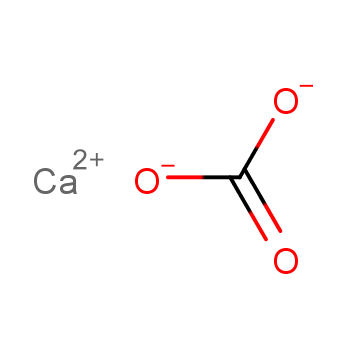
Calcium Carbonate, with the chemical formula CaCO3 and CAS number 471-34-1, is one of the most commonly used calcium supplements. It is widely available and used for a variety of applications, particularly for treating calcium deficiencies and as an antacid.

Calcium Gluconate and Calcium Carbonate are two popular calcium supplements, each with its unique characteristics, applications, and advantages. While both provide calcium, they differ significantly in terms of calcium content, absorption rates, and primary uses. In this article, we will explore the differences between calcium gluconate and calcium carbonate, particularly focusing on their calcium content, absorption, and applications.
One of the key differences between calcium gluconate and calcium carbonate is their calcium content. Calcium carbonate has a much higher concentration of elemental calcium per dose, making it one of the most efficient calcium supplements in terms of calcium delivery. The rate of elemental calcium in calcium carbonate is about 40%, which means that for every 1,000 mg of calcium carbonate, you get 400 mg of elemental calcium.
In contrast, calcium gluconate contains about 9% elemental calcium, meaning that for every 1,000 mg of calcium gluconate, you only get 90 mg of elemental calcium. This difference in calcium content is significant when determining the appropriate supplement based on your calcium needs. If higher doses of calcium are required, calcium carbonate is generally the preferred option due to its higher calcium content per dose.
When it comes to absorption, calcium gluconate and calcium carbonate behave differently in the body. Calcium gluconate is more easily dissolved, especially in people with stomach acid deficiencies. The solubility of calcium gluconate is better in a higher pH environment, making it an excellent choice for individuals who suffer from conditions like low stomach acid or those who are older and produce less stomach acid.
On the other hand, calcium carbonate requires stomach acid to dissolve and be absorbed effectively. Therefore, individuals with low stomach acid or those who take medications that reduce stomach acid may have difficulty absorbing calcium carbonate. The absorption rate of calcium carbonate is generally lower in these individuals compared to those with normal stomach acid levels.
Both calcium gluconate and calcium carbonate are used to treat calcium deficiencies, but their specific applications vary based on their properties. Below is a detailed look at the uses of both compounds.

Calcium gluconate is commonly used in medical settings, particularly for treating acute calcium deficiency in patients with conditions such as hypocalcemia, certain heart disorders, or those undergoing medical procedures that may lead to decreased calcium levels. In these cases, it is frequently administered intravenously in hospitals, allowing for the rapid restoration of calcium levels in patients who are severely deficient. This quick replenishment is crucial for stabilizing conditions like cardiac arrhythmias or muscle spasms, which can be caused by low calcium levels.
In addition to addressing acute calcium deficiencies, calcium gluconate is also used to treat hypoglycemic convulsions, urticaria (hives), dermatitis, and other conditions that may benefit from calcium supplementation. Its therapeutic applications extend beyond simply raising calcium levels, making it a versatile compound in the treatment of various medical issues. Compared to other calcium supplements, calcium gluconate has a lower elemental calcium content but is more readily absorbed and better tolerated by the body, which makes it a preferred choice for individuals with digestive issues or those sensitive to other calcium supplements. This solubility ensures that patients can more comfortably meet their calcium needs without experiencing the gastrointestinal discomfort that can occur with other calcium salts.
Calcium carbonate is a widely used compound for the prevention and treatment of calcium deficiency, playing a critical role in maintaining healthy bone density and function. It is especially beneficial for managing conditions like osteoporosis, rickets, and osteomalacia, as it helps to strengthen bones and prevent fractures. In addition to its medicinal uses, calcium carbonate is commonly used in the fortification of food products, particularly in dairy alternatives such as plant-based milks and fortified juices, ensuring that individuals who avoid dairy can still meet their calcium requirements.
Beyond its role in bone health, one of the key applications of calcium carbonate is as an effective antacid. It works by neutralizing excess stomach acid, offering relief from symptoms of heartburn, indigestion, and acid reflux. Available in a range of forms, including tablets, chewables, and liquids, calcium carbonate is a versatile product suitable for dietary supplementation and digestive health. Its dual benefits as both a calcium supplement and an antacid make it a staple in many households, addressing both nutritional needs and gastrointestinal discomfort.
In conclusion, calcium gluconate and calcium carbonate are both effective forms of calcium supplementation, but they serve different purposes and are better suited to different individuals. Calcium carbonate is ideal for individuals who need a higher dose of elemental calcium and have no issues with stomach acid. It is the most common form used for osteoporosis and general calcium supplementation. On the other hand, calcium gluconate is better for those with digestive issues or lower stomach acid levels, as it is more easily absorbed in such conditions. Both forms have distinct applications, and the best choice will depend on individual health needs and medical conditions.
| Side Effect |
Calcium Gluconate |
Calcium Carbonate |
|---|---|---|
| Digestive Issues | Rare, may cause mild bloating or upset stomach | Common, may cause constipation or bloating |
| Low Blood Pressure | Possible, may cause dizziness or lightheadedness | Possible, may cause dizziness or lightheadedness |
| Stomach Acid Issues | Unlikely, better absorbed in higher pH conditions | Can cause irritation if stomach acid is low |
| Kidney Strain | Rare, should be used cautiously in kidney issues | Should be used cautiously in individuals with kidney issues |
| Allergic Reactions | Rare, rash, itching, or swelling | Rare, rash, itching, or swelling |
If you're looking to purchase these compounds, Guidechem is your go-to platform for sourcing high-quality raw materials and reliable suppliers. With our extensive global network, we connect you to a wide range of Calcium Gluconate suppliers and Calcium Carbonate suppliers, ensuring you find the right products to meet your specific research or production requirements. Whether you're in pharmaceuticals, food additives, or other industries, Guidechem simplifies the sourcing process, offering verified supplier information, competitive pricing, and seamless communication.
[1]Calcium Metabolism and Supplementation by T. M. Jackson.
[2]The Effectiveness of Calcium Supplements by L. W. Smith.
[3]Calcium Carbonate and Its Role in Health in Journal of Nutritional Science.
[4]Hypocalcemia and Calcium Supplementation in Journal of Clinical Medicine.
 |
 |
 |
 |
 |
 |
 EN
EN
 Agricultural News
 Food News
 Industrial News
 Cosmetic News
 Pharmaceutical News
 Science News

 1YR
1YR

