-
We detected your language preference as English. Would you like to switch to the English version for a better experience?
Switch to English
Stay here


Calcium, with the chemical formula Ca and CAS number 7440-70-2, is an essential mineral that plays a crucial role in the human body, especially in maintaining bone density, muscle function, and nerve signaling.
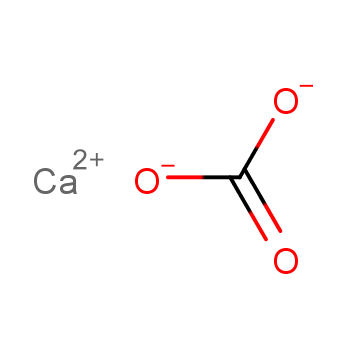
Calcium Carbonate, with the chemical formula CaCO3 and CAS number 471-34-1, is a common dietary supplement used to prevent or treat calcium deficiencies. It is also widely used in various industries, such as construction, agriculture, and manufacturing.
Calcium Carbonate vs Calcium are two terms often confused, yet they have distinct differences. Calcium, in its pure form, is a vital mineral found in foods and supplements. Calcium Carbonate, on the other hand, is a compound containing elemental calcium and is commonly used in supplements due to its high calcium content.


Calcium plays a vital role in the body, supporting bone structure, muscle function, and nerve signaling. Calcium Carbonate, being one of the most common calcium supplements, is used to help prevent or treat calcium deficiency, as well as to support bone health.

Calcium is primarily known for its role in maintaining strong bones and teeth. It is essential for the formation of bone matrix and the mineralization of bone tissue. Adequate calcium intake helps prevent bone-related conditions like osteoporosis. Additionally, calcium is crucial for muscle contraction and relaxation, helping to maintain normal muscle function. It also supports nerve transmission and regulates enzyme activity.
Calcium's benefits are not limited to bone health. It also supports vascular function, blood clotting, and hormone secretion. Calcium is absorbed more efficiently from foods, but supplementation may be necessary when dietary intake is insufficient.
Calcium carbonate is a widely used calcium supplement, providing a concentrated and effective form of calcium. Often taken as an oral supplement, it is primarily used to prevent or treat calcium deficiency, which can arise from poor dietary intake, certain health conditions, or age-related factors. Calcium deficiency can lead to weakened bones, osteoporosis, and other health issues, making supplementation an important part of maintaining bone health.
One of the major advantages of Calcium Carbonate is its high elemental calcium content, approximately 40% by weight, making it one of the most cost-effective calcium supplements available. This high concentration allows individuals to meet their daily calcium requirements with fewer tablets or servings compared to other supplements. However, for optimal absorption, it is best taken with food, as the stomach acid released during digestion helps the body absorb the calcium more effectively.
In addition to being a calcium supplement, Calcium Carbonate is also commonly used as an antacid. It works by neutralizing stomach acid, providing relief from symptoms of heartburn, acid reflux, and indigestion. This dual functionality makes it a versatile option for both bone health and digestive comfort. Calcium carbonate is available in various forms, including tablets, chewable tablets, and powders, offering flexibility for different preferences and needs.
Calcium carbonate is also widely used in various industrial applications due to its versatility. It plays a crucial role in the manufacturing of cement, where it serves as a key component in creating the necessary chemical reactions for setting and hardening. In the production of glass, calcium carbonate acts as a flux, helping to lower the melting temperature of raw materials. Additionally, it is commonly found in paint, where it is used as a white pigment and a filler to improve the texture and durability of the product. In agriculture, calcium carbonate is valued for its ability to act as a soil conditioner, helping to improve soil structure, enhance water retention, and reduce soil acidity, promoting healthier crop growth. Furthermore, its applications extend to the manufacturing of plastics, rubber, and adhesives, where it serves as a filler material, enhancing product strength, stability, and cost-efficiency.
In conclusion, both Calcium and Calcium Carbonate are essential for health, particularly in maintaining bone density and muscle function. Calcium is a vital mineral in its pure form, while Calcium Carbonate serves as a highly effective supplement due to its high elemental calcium content. Calcium Carbonate is best used with food to enhance absorption and is widely used not only for health but also in various industrial applications.
| Disadvantage |
Calcium |
Calcium Carbonate |
|---|---|---|
| Digestive Issues | Unlikely to cause digestive issues | Can cause bloating, gas, and constipation |
| Absorption Issues | May have absorption issues if not taken with food | Requires stomach acid for optimal absorption |
| Kidney Stones | High intake may increase risk of kidney stones | High intake may increase risk of kidney stones |
| Calcium Overdose | Excessive intake may cause hypercalcemia | Excessive intake may cause hypercalcemia |
If you're looking to purchase these compounds, Guidechem is your go-to platform for sourcing high-quality raw materials and reliable suppliers. With our extensive global network, we connect you to a wide range of Calcium suppliers and Calcium Carbonate suppliers, ensuring you find the right products to meet your specific research or production requirements. Whether you're in pharmaceuticals, food additives, or other industries, Guidechem simplifies the sourcing process, offering verified supplier information, competitive pricing, and seamless communication.
[1]The Role of Calcium in Bone Health by J. H. Smith.
[2]Calcium Supplements: Effectiveness and Risks by A. T. Brown.
[3]Calcium Carbonate as a Dietary Supplement in Journal of Nutrition.
[4]Applications of Calcium Carbonate in Industry in Industrial Chemistry.
 |
 |
 |
 |
 |
 |
 EN
EN
 Agricultural News
 Food News
 Industrial News
 Cosmetic News
 Pharmaceutical News
 Science News

 1YR
1YR

