-
We detected your language preference as English. Would you like to switch to the English version for a better experience?
Switch to English
Stay here


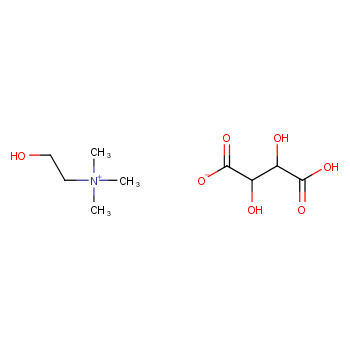
Choline Bitartrate, with the chemical formula C9H19NO7 and CAS number 87-67-2, is a salt form of choline that is commonly used in dietary supplements. It plays a critical role in various physiological processes, including liver function, cellular structure, and neurotransmission.
Phosphatidylcholine, with the chemical formula C14H30NO8P, is a major component of cell membranes and is crucial for brain and liver function. It is composed of a glycerophospholipid that includes a choline molecule attached to a phosphatidyl group.
Choline Bitartrate and Phosphatidylcholine are both important choline sources, though they differ in structure, application, and bioavailability. In this article, we will explore the key differences and similarities between these two compounds, focusing on their health applications and benefits.

Both compounds involve the use of choline, but their chemical structures and the processes by which they are synthesized differ significantly. Choline Bitartrate is a more straightforward compound, while Phosphatidylcholine is more complex due to its role in cell membranes.
Choline is essential for a variety of bodily functions, and both Choline Bitartrate and Phosphatidylcholine are used in supplements for improving cognitive function, liver health, and more. However, their applications differ based on their chemical properties and bioavailability.

Choline Bitartrate is widely used to enhance cognitive function, particularly in areas like memory, focus, and mental clarity. As a supplement, it’s favored by individuals aiming to boost brain health because choline is a key precursor in the production of acetylcholine, a neurotransmitter essential for cognitive processes such as learning and memory. This makes Choline Bitartrate an important compound for supporting mental performance and overall brain function.
Beyond its cognitive benefits, Choline Bitartrate also plays a significant role in liver health. It aids in fat metabolism, helping to prevent the buildup of fat in the liver, which is crucial for maintaining a healthy liver. This makes it particularly beneficial for individuals dealing with liver-related conditions, such as fatty liver disease or non-alcoholic liver disease, where fat accumulation in liver cells can impair liver function.
Phosphatidylcholine, a vital component of cell membranes, plays a crucial role in maintaining the structure and function of cells throughout the body, especially in the brain. Its ability to support the integrity of cell membranes in the brain makes it particularly beneficial for cognitive health. Studies have shown that phosphatidylcholine can enhance cognitive function, including memory, focus, and attention, by promoting the communication between neurons and protecting brain cells from oxidative stress. This makes it an essential supplement for supporting mental clarity and preventing age-related cognitive decline.
Beyond brain health, phosphatidylcholine is also vital for liver function. It aids in the liver's detoxification processes by facilitating the breakdown and removal of harmful substances. Additionally, phosphatidylcholine is involved in the repair and regeneration of liver cells, making it especially important for individuals with liver damage or those at risk of liver disease. By supporting the liver's ability to function optimally, phosphatidylcholine helps to maintain overall health and well-being, contributing to improved metabolic processes and the body's natural defense mechanisms.
In conclusion, Choline Bitartrate and Phosphatidylcholine offer distinct health benefits. Choline Bitartrate is primarily used for boosting cognitive function and supporting liver health, while Phosphatidylcholine plays a more vital role in maintaining brain health and cellular integrity. Both supplements are valuable, but their application depends on individual health goals.
| Side Effect |
Choline Bitartrate |
Phosphatidylcholine |
|---|---|---|
| Digestive Issues | Rare, may cause mild bloating or upset stomach | Rare, may cause mild bloating or upset stomach |
| Low Blood Pressure | Possible, may cause dizziness or lightheadedness | Possible, may cause dizziness or lightheadedness |
| Dehydration | Unlikely to cause dehydration | Unlikely to cause dehydration |
| Liver Strain | Unlikely to cause liver strain | Unlikely to cause liver strain, but excessive use may affect liver function |
If you're looking to purchase these compounds, Guidechem is your go-to platform for sourcing high-quality raw materials and reliable suppliers. With our extensive global network, we connect you to a wide range of Choline Bitartrate suppliers, ensuring you find the right products to meet your specific research or production requirements. Whether you're in pharmaceuticals, food additives, or other industries, Guidechem simplifies the sourcing process, offering verified supplier information, competitive pricing, and seamless communication.
[1]Magnesium and its Impact on Health by A. T. Peterson.
[2]Understanding Magnesium Supplements by L. M. Thompson.
[3]The Role of Magnesium in Human Health in Journal of Nutritional Science.
[4]Magnesium Deficiency and the Benefits of Supplementation in American Journal of Clinical Nutrition.
 |
|
 |
 |
 |
 EN
EN
 Agricultural News
 Food News
 Industrial News
 Cosmetic News
 Pharmaceutical News
 Science News

 6YRS
6YRS

