-
We detected your language preference as English. Would you like to switch to the English version for a better experience?
Switch to English
Stay here


Cyclobenzaprine, with the chemical formula C20H21N and CAS number 303-53-7, is a muscle relaxant commonly prescribed to alleviate pain and stiffness associated with musculoskeletal conditions. It works by acting on the central nervous system to block pain signals and reduce muscle spasms.
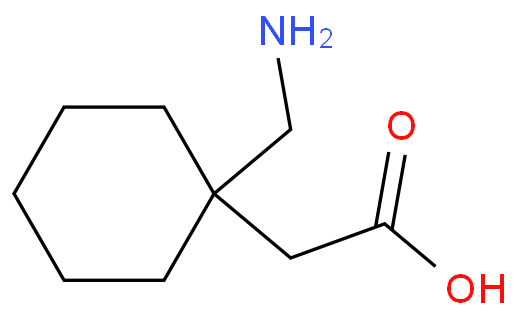
Gabapentin, with the chemical formula C9H17NO2 and CAS number 60142-96-3, is an anti-epileptic medication also used to treat nerve pain. It functions by altering the activity of certain chemicals in the brain, preventing the transmission of pain signals, particularly for nerve-related conditions.
Cyclobenzaprine and Gabapentin are both used for pain management but act on different aspects of the pain process. Cyclobenzaprine primarily targets muscle spasms, while Gabapentin focuses on nerve pain. A combination of these medications can offer a more comprehensive approach to treating various types of pain.


Both Cyclobenzaprine and Gabapentin are synthesized using distinct chemical processes. Cyclobenzaprine involves a bicyclic system, making it effective for muscle spasms, while Gabapentin's synthesis focuses on nerve pain modulation through its amino acid derivative structure.
Both Cyclobenzaprine and Gabapentin play crucial roles in pain management, but they are used to target different mechanisms and causes of pain, making them suitable for distinct medical conditions. While both medications are effective, their therapeutic purposes and methods of action diverge, catering to different aspects of pain relief.

Cyclobenzaprine is primarily indicated for the relief of muscle spasms and stiffness, particularly those associated with musculoskeletal injuries, such as back pain, strains, sprains, and fibromyalgia. As a centrally acting muscle relaxant, Cyclobenzaprine works by inhibiting the nerve impulses or pain sensations that cause muscles to tighten, thereby reducing muscle spasms. This medication is often prescribed for short-term use, usually in combination with rest and physical therapy, to alleviate the pain and discomfort caused by acute injuries.
In cases of musculoskeletal pain, Cyclobenzaprine is highly beneficial, helping patients regain mobility and function more effectively during the recovery process. Its ability to ease muscle stiffness and promote relaxation can also enhance the effectiveness of physical therapy, making it a vital part of the healing regimen for individuals with musculoskeletal conditions. While Cyclobenzaprine is generally well-tolerated, it can cause drowsiness and sedation, which may actually benefit patients by encouraging rest during the recovery phase, thereby facilitating healing. This sedative effect can be an advantage for patients who experience difficulty sleeping due to pain or discomfort.
Cyclobenzaprine is typically prescribed for a short duration, usually not exceeding two to three weeks, to address acute episodes of muscle pain and spasms. Its role in acute injury management makes it particularly useful for people recovering from an injury or surgery, ensuring they can perform necessary movements with less discomfort and improved muscle function.
In contrast, Gabapentin is used primarily to manage nerve pain, which can arise from conditions such as diabetic neuropathy, post-herpetic neuralgia (pain following shingles), or chronic pain syndromes like fibromyalgia. Unlike Cyclobenzaprine, Gabapentin acts on the nervous system by modifying the way nerves transmit pain signals. It specifically binds to calcium channels in the brain and spinal cord, reducing the transmission of abnormal pain signals from the damaged nerves. This makes Gabapentin particularly useful for chronic, nerve-related pain, which often does not respond well to traditional painkillers like nonsteroidal anti-inflammatory drugs (NSAIDs) or opioids.
Gabapentin is often prescribed to patients with neurological disorders or those suffering from long-term nerve damage. For example, people with diabetic neuropathy often experience burning, tingling, or shooting pains in their extremities, which can significantly affect their quality of life. Gabapentin helps to alleviate these discomforting symptoms, allowing patients to function more comfortably throughout their day. Its efficacy in treating conditions like post-herpetic neuralgia has also made it an important part of the therapeutic regimen for individuals recovering from shingles.
Beyond its role in pain management, Gabapentin is also commonly used as an adjunctive treatment for conditions like epilepsy and restless leg syndrome, demonstrating its versatility. For those with severe and chronic nerve pain that does not respond to traditional medications, Gabapentin provides a valuable option for symptom control. It is often used in conjunction with other medications to offer a more comprehensive approach to treating complex pain conditions.
In conclusion, Cyclobenzaprine is most suitable for those who require relief from muscle spasms and tension, particularly in cases of acute injuries or musculoskeletal pain. It provides short-term relief and is commonly used in combination with physical therapy. Gabapentin, on the other hand, is more effective for long-term management of nerve pain and neurological conditions like neuropathy and fibromyalgia. Both medications are effective in their respective domains and can be prescribed together to provide a comprehensive approach to pain management.
| Side Effect |
Cyclobenzaprine |
Gabapentin |
|---|---|---|
| Drowsiness | Common, can cause drowsiness and sedation | Common, can cause dizziness or fatigue |
| Drug Interactions | May interact with other CNS depressants | Can interact with antacids, reducing effectiveness |
| Kidney Strain | Rare, but caution is advised for those with kidney conditions | Risk of kidney damage with long-term use in high doses |
| Addiction Potential | Low, but should be used with caution for extended periods | Low, but should be monitored for misuse in certain populations |
When choosing between Cyclobenzaprine and Gabapentin for your health, it's important to consider your specific symptoms, medical history, and the potential side effects of each medication. Cyclobenzaprine is a muscle relaxant typically used to treat acute muscle spasms and discomfort. It is most effective when used for short-term relief and can help reduce pain and stiffness associated with muscle injuries or strain. If you have a muscle-related condition, Cyclobenzaprine may be the better choice, especially if the discomfort is linked to spasms.
In contrast, Gabapentin is primarily used for nerve-related pain and conditions like neuropathy, fibromyalgia, and sometimes seizures. It works by altering the way the body processes pain signals and can be effective for chronic conditions where nerve pain is a significant factor. If you are dealing with long-term pain caused by nerve damage, Gabapentin may be the more suitable option for managing your symptoms, especially if muscle relaxants are not providing sufficient relief.
Ultimately, the choice between Cyclobenzaprine and Gabapentin depends on the root cause of your pain. If you are experiencing acute muscle pain, Cyclobenzaprine may offer faster relief. However, for chronic nerve pain or conditions involving the nervous system, Gabapentin would be more effective. Each medication carries its own set of side effects, so it's crucial to work with your healthcare provider to determine the most appropriate treatment based on your unique health needs.
*For optimal results and to ensure that you are taking the appropriate form and dosage, it is highly recommended to follow the guidance of your healthcare provider. They can help you determine the most suitable medication based on your specific health requirements and any underlying medical conditions.
If you're looking to purchase these compounds, Cyclobenzaprine and Gabapentin, Guidechem is your go-to platform for sourcing high-quality raw materials and reliable suppliers. With our extensive global network, we connect you to a wide range of Cyclobenzaprine suppliers and Gabapentin suppliers, ensuring you find the right products to meet your specific research or production requirements. Whether you're in pharmaceuticals, food additives, or other industries, Guidechem simplifies the sourcing process, offering verified supplier information, competitive pricing, and seamless communication.
 |
 |
 |
 |
 |
 |
 EN
EN
 Agricultural News
 Food News
 Industrial News
 Cosmetic News
 Pharmaceutical News
 Science News

 2YRS
2YRS

