-
We detected your language preference as English. Would you like to switch to the English version for a better experience?
Switch to English
Stay here


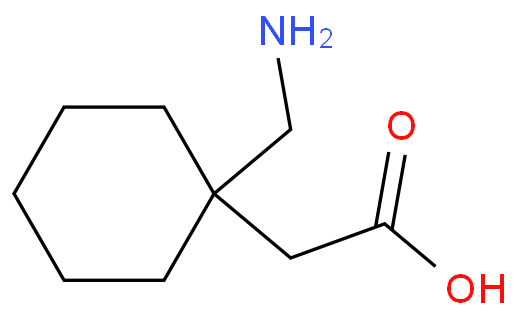
Gabapentin, with the chemical formula C9H17NO2 and CAS number 60142-96-3, is an anticonvulsant medication used primarily for its pain-relieving effects, often prescribed for treating seizure disorders and nerve pain.
Klonopin (Clonazepam), with the chemical formula C15H10ClN3O3 and CAS number 1622-61-3, is a benzodiazepine used in the treatment of panic disorders and certain types of seizure disorders. It is known for its sedative effects and potential for physical and psychological dependence.
Gabapentin and Klonopin are both used to treat conditions such as seizures, but they are different in terms of their chemical properties, effects, and specific uses. Gabapentin is primarily used to treat nerve pain and is less likely to cause dependency, whereas Klonopin, a benzodiazepine, is more likely to cause physical and psychological dependence, though it is more effective for anxiety and panic disorders.


Both compounds undergo complex synthetic processes involving organic chemicals, but their structures and resulting effects on the human body differ significantly.
Gabapentin and Klonopin are both widely used medications for managing conditions such as seizures and anxiety. However, their primary applications and mechanisms of action differ significantly. Gabapentin is typically prescribed for nerve pain and certain types of seizures, while Klonopin is more commonly used for treating anxiety disorders, panic attacks, and seizure control in specific epilepsy cases. Despite overlapping uses, the specific conditions each drug is designed to treat and their effects on the body are distinct.

Gabapentin is most commonly prescribed to treat neuropathic pain, a type of pain caused by nerve damage or dysfunction. Conditions such as shingles, diabetic neuropathy, and fibromyalgia often result in chronic nerve pain, and Gabapentin helps manage these symptoms effectively. By stabilizing electrical activity in the brain and altering the way nerves send signals to the brain, Gabapentin provides significant relief from the discomfort associated with nerve pain.
In addition to its use in pain management, Gabapentin is also an anticonvulsant, making it effective in the treatment of partial seizures, particularly in individuals with epilepsy. The drug works by inhibiting excessive nerve firing in the brain, preventing seizures from occurring. Gabapentin is generally well-tolerated by patients, though side effects such as dizziness, drowsiness, and fatigue are common, especially when treatment is started or the dosage is increased. Over time, these side effects typically diminish as the body adjusts to the medication.
Because Gabapentin is not classified as a controlled substance and does not have the same dependence potential as certain other medications, it is often favored for long-term use in treating chronic conditions like neuropathic pain and seizures. However, it is important for individuals to follow their doctor’s guidance on dosage to avoid the possibility of misuse, particularly at higher doses.
Klonopin (clonazepam) is primarily prescribed for managing anxiety disorders, panic attacks, and certain types of seizures. It is a benzodiazepine that works by enhancing the activity of gamma-aminobutyric acid (GABA), a neurotransmitter that exerts calming effects on the brain. By amplifying GABA’s inhibitory action, Klonopin helps to reduce excessive neuronal activity, which makes it particularly effective in treating conditions like generalized anxiety disorder (GAD), panic disorder, and social anxiety disorder.
In addition to its role in treating anxiety, Klonopin is also used to control seizures, particularly in individuals with epilepsy or other seizure disorders. The medication is effective in preventing both generalized tonic-clonic seizures and partial seizures, making it a crucial option for individuals with more severe forms of epilepsy. However, while Klonopin is highly effective for these uses, it is typically prescribed for short-term or intermittent use due to its potential for dependence, tolerance, and withdrawal symptoms. Prolonged use can lead to physical and psychological dependence, making it a medication that requires careful management by healthcare providers.
Because of the risks associated with long-term use, doctors generally limit the duration of treatment with Klonopin, recommending it only when other, less habit-forming medications are not effective. Additionally, individuals taking Klonopin need to be cautious of possible side effects such as dizziness, cognitive impairment, and coordination issues, which can impact daily activities.
In conclusion, Gabapentin is primarily used for managing nerve pain and certain types of seizures, with fewer concerns about dependency. Klonopin, on the other hand, is more effective in treating anxiety and panic disorders, as well as controlling seizures, but it comes with a higher risk of dependence and withdrawal symptoms.
| Side Effect |
Gabapentin |
Klonopin |
|---|---|---|
| Dizziness | Common, may cause dizziness or drowsiness | Common, often causes sedation and drowsiness |
| Dependence | Rare, but may cause withdrawal symptoms if stopped abruptly | Common, can lead to physical and psychological dependence |
| Cognitive Impairment | Possible, may cause cognitive slowing or memory issues | Common, can affect memory and cognitive functions |
| Addiction Risk | Low risk of addiction | High risk, especially with long-term use |
When choosing the right medication for your specific health needs, it’s important to consider the underlying condition being treated, potential side effects, and your personal health history. Gabapentin is commonly used to manage neuropathic pain and seizures, offering effective relief with a generally favorable side effect profile. It's particularly useful for individuals with conditions like diabetic neuropathy, post-herpetic neuralgia, or fibromyalgia. Gabapentin is also well-tolerated by many patients, but it may cause dizziness or sedation, which requires careful dosing adjustments.
On the other hand, Klonopin (clonazepam) is a benzodiazepine, primarily used for anxiety disorders, panic attacks, and sometimes seizures. It has a strong calming effect, making it highly effective for short-term anxiety relief, but it comes with a higher risk of dependency and withdrawal symptoms with prolonged use. While it is beneficial for individuals with severe anxiety or panic disorders, it is generally not recommended for long-term use due to these risks.
Ultimately, if you are seeking relief from neuropathic pain or seizures, Gabapentin is likely the better choice due to its safer long-term use and lower risk of dependence. However, if your primary concern is managing anxiety or panic attacks in the short term, Klonopin may be the more effective option. Always consider the potential side effects and your own health profile when making a decision.
*For optimal results and to ensure that you are taking the appropriate medication, it is highly recommended to follow the guidance of your healthcare provider. They can help you determine the most suitable treatment based on your specific health needs and any underlying conditions.
If you're looking to purchase these compounds, Guidechem is your go-to platform for sourcing high-quality raw materials and reliable suppliers. With our extensive global network, we connect you to a wide range of gabapentin suppliers, ensuring you find the right products to meet your specific research or production requirements. Whether you're in pharmaceuticals, food additives, or other industries, Guidechem simplifies the sourcing process, offering verified supplier information, competitive pricing, and seamless communication.
 |
 |
 |
 |
 |
 |
 EN
EN
 Agricultural News
 Food News
 Industrial News
 Cosmetic News
 Pharmaceutical News
 Science News

 2YRS
2YRS

