-
We detected your language preference as English. Would you like to switch to the English version for a better experience?
Switch to English
Stay here


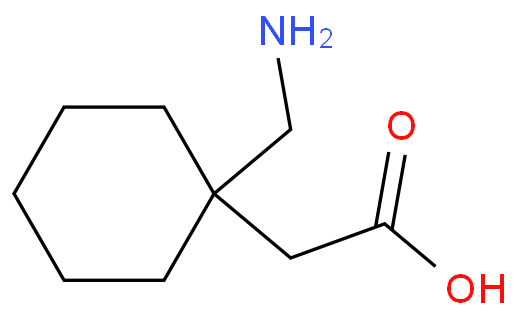
Gabapentin, with the chemical formula C9H17NO2 and CAS number 60142-96-3, is an anticonvulsant medication primarily used to treat seizure disorders and manage nerve pain. It is effective in reducing neuropathic pain and is often prescribed for conditions such as postherpetic neuralgia and diabetic neuropathy. Gabapentin can also be used off-label for other conditions such as anxiety and restless leg syndrome.
Trazodone, with the chemical formula C19H22ClN5O and CAS number 19794-93-5, is primarily used as an antidepressant but is also commonly prescribed off-label for its sedative properties. It works by modulating serotonin receptors in the brain, making it effective for treating depression and anxiety, and is particularly known for its sleep-inducing effects. Trazodone is inexpensive and widely available in generic form, but it is not classified as a controlled substance.
Gabapentin and Trazodone are both medications used in the management of various health conditions, but their mechanisms of action, uses, and side effects are quite different. Gabapentin is primarily used for treating nerve pain and seizures, while Trazodone is more commonly used for its sedative effects in treating insomnia and depression.


Both gabapentin and trazodone are synthesized using organic chemistry techniques that involve multiple steps to form their unique structures. While gabapentin’s synthesis involves the formation of a cyclic amine structure, trazodone’s synthesis focuses on creating the triazolopyridine ring essential for its action on serotonin receptors.
Gabapentin and trazodone are both widely prescribed medications, but they serve distinct purposes in the treatment of various medical conditions. Gabapentin is predominantly used for managing nerve-related pain and certain seizure disorders, while trazodone is most commonly prescribed for its antidepressant and sedative effects. Despite their differences, both medications play crucial roles in the management of chronic conditions and are often used as part of a broader treatment plan for patients with complex health needs.

Gabapentin is one of the go-to medications for managing neuropathic pain, a type of chronic pain caused by damage to the nerves. It is highly effective in conditions like postherpetic neuralgia (pain following shingles infection) and diabetic neuropathy (nerve damage caused by diabetes), both of which can cause debilitating pain that doesn’t always respond to conventional painkillers like opioids. Gabapentin works by inhibiting certain calcium channels in nerve cells, which helps to reduce the transmission of pain signals to the brain. This makes it particularly useful for individuals suffering from chronic pain that originates from damaged or malfunctioning nerves.
In addition to its role in pain management, gabapentin is also widely used to control certain types of seizures, especially partial seizures. Its anticonvulsant properties stem from its ability to stabilize electrical activity in the brain by modulating neurotransmitter release, providing relief for patients with epilepsy or other seizure disorders. Gabapentin is sometimes prescribed off-label for conditions such as anxiety, where its calming effects can help reduce symptoms, and for restless leg syndrome (RLS), where it alleviates the uncomfortable sensations that often disturb sleep. However, these off-label uses should be carefully monitored by a healthcare provider.
Gabapentin is typically well-tolerated, though it may cause side effects like dizziness, fatigue, or weight gain in some individuals. Given its non-narcotic nature, it is often preferred over opioid pain medications, particularly in patients with a history of substance abuse or those who require long-term pain management.
Trazodone is primarily prescribed as an antidepressant but is also renowned for its sedative properties, making it highly effective in treating sleep disorders, particularly insomnia. As a serotonin antagonist and reuptake inhibitor (SARI), trazodone works by modulating serotonin levels in the brain, which helps alleviate the symptoms of depression, such as persistent sadness, low energy, and lack of motivation. It is often prescribed when patients present with both depression and sleep disturbances, as it not only addresses the mood-related symptoms of depression but also helps induce sleep, offering relief from insomnia without the need for stronger sedative medications.
One of the significant advantages of trazodone over other sleep aids is its lower risk of dependence and tolerance. Unlike benzodiazepines or other sedative-hypnotics, which can lead to physical dependence or withdrawal symptoms, trazodone does not carry the same risk. This makes it a more suitable option for long-term use in the management of sleep disorders, particularly in patients who may need to take medication for an extended period.
Trazodone is generally well-tolerated, but common side effects may include drowsiness, dizziness, and dry mouth. It is important for patients to follow their healthcare provider’s dosing recommendations closely to avoid excessive sedation or daytime sleepiness. In some cases, trazodone may cause priapism (prolonged and painful erections), although this is rare. Its ability to treat both depression and insomnia simultaneously makes it an essential tool in mental health and sleep disorder management.
In summary, gabapentin is most beneficial for individuals with chronic nerve pain or seizure disorders, offering significant relief through its ability to modify calcium channels in nerve cells. Trazodone, on the other hand, is an effective treatment for depression and insomnia, providing a dual effect through its action on serotonin receptors. Both medications are widely used and have demonstrated efficacy in their respective areas of application.
| Side Effect |
Gabapentin |
Trazodone |
|---|---|---|
| Drowsiness | Common, may cause sedation and drowsiness | Common, particularly at higher doses |
| Withdrawal Symptoms | Possible, should not be stopped abruptly | Possible, may cause withdrawal symptoms if discontinued suddenly |
| Gastrointestinal Issues | Possible, may cause nausea or constipation | Possible, may cause dry mouth or nausea |
| Cognitive Impairment | Possible, may affect concentration or memory | Rare, but may affect cognitive function in some individuals |
| Cardiovascular Effects | Possible, may cause dizziness or low blood pressure | Possible, may cause hypotension, especially when standing |
When deciding between Gabapentin and Trazodone for your health, it’s crucial to consider the specific condition you're addressing and any potential side effects that may arise. Gabapentin is most beneficial for individuals suffering from nerve pain, such as that caused by diabetic neuropathy or postherpetic neuralgia, as well as for those managing seizure disorders. It works by stabilizing electrical activity in the brain and altering the way the body senses pain. If you are dealing with chronic pain or a seizure disorder, Gabapentin is likely the best option to provide long-term relief and improve quality of life.
On the other hand, if you are seeking treatment for depression, anxiety, or insomnia, Trazodone may be the more appropriate choice. Its sedative properties make it especially effective for managing sleep disturbances, and it is often prescribed to individuals with depression who also experience difficulty sleeping. Trazodone is less likely to cause dependency compared to other sedative medications, making it a preferred option for long-term use in managing sleep-related issues.
Ultimately, if you're looking for a medication to manage chronic pain or prevent seizures, Gabapentin is the superior choice. However, if your primary concern is depression, anxiety, or insomnia, Trazodone would likely serve your needs better, especially considering its dual benefit for sleep and mood regulation. Both medications offer specific advantages depending on your health needs, so choosing the right one depends on your personal health goals and any underlying medical conditions.
*To ensure the best treatment plan for your specific condition, it is highly recommended to consult with your healthcare provider. They can provide personalized advice on the appropriate medication and dosage tailored to your health requirements and any existing medical conditions.
If you're looking to purchase these compounds, Guidechem is your go-to platform for sourcing high-quality raw materials and reliable suppliers. With our extensive global network, we connect you to a wide range of Gabapentin suppliers and Trazodone suppliers, ensuring you find the right products to meet your specific research or production requirements. Whether you're in pharmaceuticals, healthcare, or other industries, Guidechem simplifies the sourcing process, offering verified supplier information, competitive pricing, and seamless communication.
[1]Clinical Use of Gabapentin in Neuropathic Pain by A. K. Schwartz.
[2]Role of Trazodone in Depression and Insomnia Treatment by R. L. Thompson.
[3]Gabapentin for Seizure Management in Journal of Neurology.
[4]Trazodone: Mechanisms and Clinical Applications in Pharmacological Reviews.
[5]Adverse Effects and Risks of Gabapentin by M. J. Lee.
 |
 |
 |
 |
 |
 |
 EN
EN
 Agricultural News
 Food News
 Industrial News
 Cosmetic News
 Pharmaceutical News
 Science News

 2YRS
2YRS

