-
We detected your language preference as English. Would you like to switch to the English version for a better experience?
Switch to English
Stay here


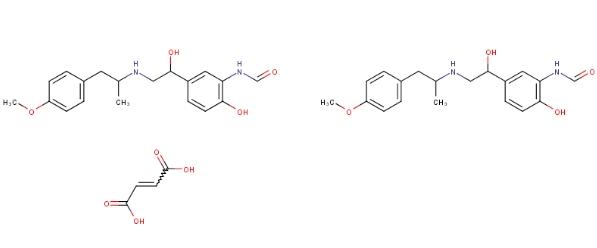
Formoterol fumarate is a commonly used long-acting β2-adrenergic agonist for treating chronic obstructive pulmonary disease (COPD) and asthma. While it has significant efficacy in improving respiratory function and relieving symptoms, like all medications, formoterol fumarate may also cause some formoterol fumarate side effects. Understanding formoterol fumarate side effects is crucial for patients and healthcare professionals to monitor and manage potential risks promptly. This article will delve into the common formoterol fumarate side effects and their potential impacts on patients.
Chronic obstructive pulmonary disease (COPD) has significant extrapulmonary effects, with high disability and mortality rates, affecting over 9% to 10% of individuals globally over the age of 40. Older COPD patients, due to weakened physiological function and recovery capacity compared to younger individuals, require more cautious treatment and care. Common treatment methods in clinical practice include the use of ventilators, with evidence suggesting that appropriate ventilator use not only provides indispensable life support for critically ill patients but also further promotes the development of emergency medical care for critically ill patients.
Formoterol fumarate is one of the commonly used drugs in clinical practice to control patients' airway patency. It is a long-acting β2-adrenergic agonist known for its rapid onset of action and has been approved for relieving symptoms such as asthma and has some therapeutic effects on COPD patients. Clinical studies have shown that long-acting β2-adrenergic agonists maintain efficacy for over 12 hours, significantly improving patients' conditions such as dyspnea and enhancing their quality of life, reducing the frequency of acute exacerbations. Additionally, formoterol fumarate has a rapid onset of action, with effects occurring in as little as 3 minutes, faster than traditional albuterol.

(1) Formoterol oral inhalation solution is a liquid that can be inhaled orally using a nebulizer (a machine that turns the medication into a mist for inhalation). Usually, it is inhaled twice a day, approximately 12 hours apart. Inhale formoterol at the same times each day. Follow the instructions carefully on the prescription label; if unclear, ask your doctor or pharmacist for clarification. Use formoterol exactly as directed. Do not use more or less than prescribed, and do not exceed the frequency prescribed by your doctor.
(2) Do not use formoterol to treat acute COPD exacerbations. Your doctor will prescribe short-acting β-adrenergic agonist medications such as albuterol (Accuneb, Proair, Proventil, Ventolin) for use during exacerbations. If you were already using these medications regularly before starting formoterol treatment, your doctor may advise you to stop using them regularly but continue using them to treat exacerbations.
(3) Inhalation of formoterol should not be used to treat rapidly deteriorating COPD. If your breathing problems worsen, if you have to use your short-acting inhaler to treat COPD exacerbations more frequently, or if your short-acting inhaler does not relieve your symptoms, call your doctor or seek emergency medical help.
(4) Inhalation of formoterol may help control symptoms but does not cure your condition. Do not stop using formoterol suddenly without consulting your doctor. If you abruptly stop using formoterol, your symptoms may worsen.
(1) Shaking, nausea, headaches, dizziness, nervousness, dry mouth, upset stomach, tiredness, difficulty sleeping, or hoarseness may occur. If these symptoms persist or worsen, inform your doctor or pharmacist immediately.
(2) To relieve dry mouth, suck (sugarless) hard candy or ice chips; chew (sugarless) gum, drink water, or use a saliva substitute.
(3) This medication may raise your blood pressure. Monitor your blood pressure regularly, and if it becomes elevated, inform your doctor.
(4) If you experience any serious side effects, inform your doctor immediately, including shortness of breath, muscle weakness/spasms, increased thirst/urination.
(5) If you experience any very serious side effects, seek medical help immediately, including chest pain, rapid/irregular heartbeat, severe dizziness, fainting.
(6) Rarely, this medication may cause sudden, severe wheezing/breathing difficulties immediately after use. If this occurs, use a quick-relief inhaler and seek medical help immediately.
(7) Very severe allergic reactions to this medication are rare. However, if you notice any symptoms of a serious allergic reaction, seek medical help immediately, including rash, itching/swelling (especially of the face/tongue/throat), severe dizziness, difficulty breathing.
In rare cases, using long-acting inhaled β-adrenergic agonists (such as salmeterol) in patients receiving asthma treatment can cause severe (sometimes fatal) asthma-related respiratory problems. Because formoterol is similar to salmeterol, it may also cause these problems. In asthma patients, this medication should only be prescribed when a long-term medication (such as inhaled corticosteroids) cannot control breathing problems or when more than one long-term medication is clearly needed to control breathing problems. Formoterol should not be used alone to treat asthma. It is important to learn how to use this medication correctly before using it. Discuss the risks and benefits of using this medication with your doctor.
Once asthma symptoms are controlled, if possible, your doctor may discontinue formoterol treatment and continue only with other asthma medications (such as inhaled corticosteroids). Follow your doctor's instructions carefully.
If someone has overdosed and has serious symptoms such as passing out or trouble breathing, call emergency services. Otherwise, immediately call a poison control center. Symptoms of overdose may include: chest pain, fast/irregular heartbeat, severe nervousness, severe dizziness, fainting, seizures, severe muscle spasms.
(1) Before taking formoterol, inform your doctor or pharmacist if you are allergic to formoterol or if you have any other allergies. This product may contain inactive ingredients, which can cause allergic reactions or other problems. For more details, consult your pharmacist.
(2) Before using this product, inform your doctor or pharmacist of your medical history, especially of: heart problems (heart failure, heart rhythm problems), high blood pressure, overactive thyroid (hyperthyroidism), seizures, diabetes, metabolic disorders (such as ketoacidosis), artery swelling (aneurysm), certain adrenal gland tumors (pheochromocytoma).
(3) Formoterol may cause conditions affecting heart rhythm (QT prolongation). Prolongation of the QT interval rarely causes serious (rarely fatal) fast/irregular heartbeat and other symptoms requiring immediate medical attention (such as severe dizziness, fainting).
(4) If you have certain conditions or are taking other medications that may cause QT prolongation, the risk of QT prolongation may be increased with the use of formoterol. Before using formoterol, inform your doctor or pharmacist of all the medications you are taking and if you have any of the following conditions: certain heart problems (heart failure, slow heart rate, QT prolongation on the electrocardiogram), family history of certain heart problems (QT prolongation on the electrocardiogram, sudden cardiac death).
(5) Low potassium or magnesium levels in the blood may also increase the risk of QT prolongation. If you are using certain medications (such as diuretics) or if you have conditions such as severe sweating, diarrhea, or vomiting, this risk may be increased. Talk to your doctor about using formoterol safely.
Formoterol fumarate, as an effective respiratory medication, may cause side effects such as palpitations, headaches, muscle spasms, and insomnia. Understanding and monitoring formoterol fumarate side effects are essential for ensuring safety when using this medication. Before initiating or adjusting the treatment plan with formoterol fumarate, be sure to consult your doctor. Your doctor will provide professional advice and guidance based on your specific health condition to ensure the effectiveness and safety of the treatment.
[1] Yang Ning, Li Mingyu. Clinical efficacy study of formoterol fumarate combined with BiPAP in the treatment of elderly COPD patients with type II respiratory failure. Medical Review, 2015, 21(21): 4013-4015.
[2]https://www.webmd.com/drugs/2/drug-20787-5304/formoterol-fumarate-inhalation/formoterol-powder-in-capsule-oral-inhalation/details
[3]https://medlineplus.gov/druginfo/meds/a602023.html
[4]https://go.drugbank.com/drugs/DB00983
[5]https://pubchem.ncbi.nlm.nih.gov/compound/9832292
 |
|
 |
 |
 |
|
 EN
EN
 Agricultural News
 Food News
 Industrial News
 Cosmetic News
 Pharmaceutical News
 Science News

 4YRS
4YRS

