
I. Executive Summary
Antioxidant 1520 (CAS 110553-27-0), chemically 2,4-bis(octylthiomethyl)-o-cresol, pairs a hindered phenolic hydroxyl group with two thioether side chains; its formula C25H44OS2 gives a molar mass near 424.7 g/mol and roughly 15.1 percent sulfur. That dual functionality makes it at once a primary radical scavenger and a secondary hydroperoxide decomposer, explaining long-standing specifications in styrene-butadiene rubber, polyolefins and lubricant packages. In 2026 the molecule meets three forces: substitution pressure on amine antidegradants, tighter volatility limits, and relocation of capacity into Asia.
Technically, the phenolic site interrupts peroxy-radical propagation while each thioether oxidises stepwise to sulfoxide and sulfone, converting hydroperoxides into alcohols before they cleave into radicals. The octylthio groups give compatibility with non-polar matrices, keeping the material liquid and easy to dose. Consequences include longer induction times in pressure vessel oxidation testing, better Mooney retention, reduced melt-flow drift and freedom from amine-type staining.
Commercially, buyers should treat this CAS number as documentation-sensitive rather than commodity-like. Three dossiers decide whether a shipment clears customs and a customer's vendor gate: inventory status under EU REACH, UK REACH, Korea REACH and TSCA; classification and labelling, with attention to the aquatic chronic endpoint; and sector approvals such as food-contact listings. One complication is linguistic: because the name has an octylthio fragment, the product is sometimes conflated with restricted alkylphenol ethoxylates, which it is not.
II. Product Deep Dive: Molecular Mechanisms and Production Evolution
2.1 Physicochemical Properties and Mechanisms
Thermo-oxidative degradation of elastomers and polyolefins follows a classical radical chain: peroxy radicals abstract hydrogen, and the resulting hydroperoxides cleave into radicals that restart the cycle. Stabilisation must interrupt both branches. The phenolic core donates hydrogen to peroxy radicals, yielding a resonance-stabilised phenoxyl radical, while the thioether substituents manage the hydroperoxide branch. That division of labour explains supplier performance claims and the limits written into purchasing specifications.
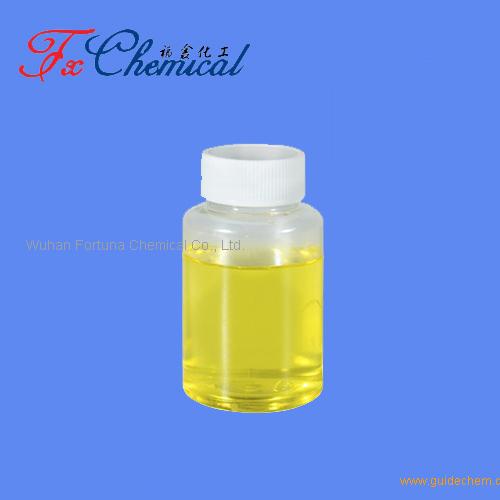
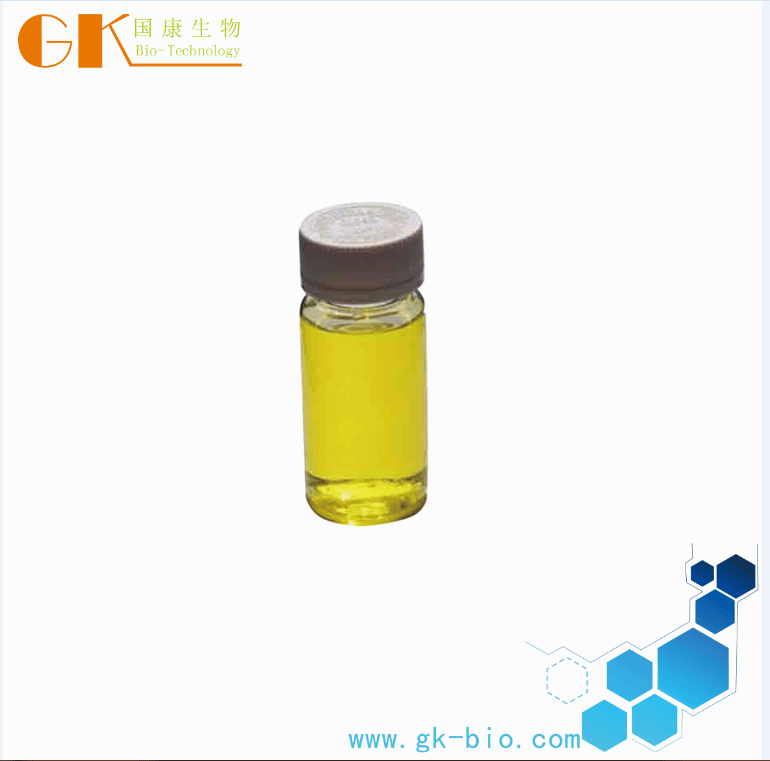
- Physicochemical Profile: Supplied as a pale-yellow viscous liquid, the material shows a density near 0.98 g/cm3 at 20 °C, a flash point well above 200 °C, negligible water solubility and a very high octanol-water partition coefficient. It is ashless and phosphorus-free, yet its roughly 15 percent sulfur must be charged against low-SAPS lubricant budgets.
- Mechanistic Division of Labour: The phenolic component dominates processing and early-life protection, whereas the thioether governs long-term heat ageing, since each sulfur atom consumes several hydroperoxide equivalents en route to the sulfone. The product is therefore paired with phosphite processing stabilisers to control initial colour, and blended with high-molecular hindered phenols where extraction resistance is critical.
2.2 Synthesis and Manufacturing Technologies
Industrial routes build the side chains through electrophilic substitution at the activated ring positions of ortho-cresol using formaldehyde and n-octyl mercaptan. The dominant class is a base- or amine-catalysed Mannich-type condensation in which formaldehyde forms methylol and thiol adducts that deliver the octylthiomethyl substituents onto the ring. The alternative uses reactive halomethyl intermediates followed by nucleophilic substitution with an alkali metal octyl mercaptide. Each class leaves a characteristic impurity fingerprint.
- Route Economics and By-Product Control: The condensation route avoids halogenated intermediates but leaves unreacted mercaptan, whose odour threshold is extremely low, so specifications are often set by residual mercaptan rather than assay. The substitution route removes that carry-over yet introduces chloride, salts and, where chloromethylation is used, trace bis(halomethyl) ether risk, requiring closed systems. Both rely on stripping and polishing to hold colour.
- Analytical Release Testing and Authentication: A credible certificate of analysis must extend beyond assay. Buyers should expect chromatographic assay, Karl Fischer water, sulfur by elemental analysis to confirm proximity to the theoretical 15.1 percent, and limits for free o-cresol, formaldehyde and residual mercaptan by headspace GC-MS. FTIR settles identity questions, while ICP-OES detects metals and salts.
2.3 Core Application Matrix
- Elastomers and Tyre Compounds (SBR, BR, NBR, SBS): Core volume sits in emulsion and solution styrene-butadiene and polybutadiene rubber, dosed as dispersion before coagulation to protect the crumb through drying and storage. Downstream it limits heat ageing and flex cracking in carcass compounds, belting, seals and technical goods. Unlike amine antiozonants it is non-staining, and scrutiny of 6PPD and its quinone transformation product encourages substitution trials, though equivalent performance is not established.
- Plastics, Adhesives and Resin Systems (PE, PP, TPE): In polyethylene and polypropylene it acts as a long-term thermal stabiliser resisting extraction better than low-molecular phenols, protecting pipe, film and recyclate grades from chain scission and gel formation. It is also standard in styrenic block copolymers, tackifying resins and hot-melt adhesives, where odour and colour stability in prolonged molten storage are decisive.
- Lubricants, Greases and Functional Fluids: As an ashless antioxidant it appears in turbine, hydraulic and compressor oils, industrial gear oils and soap-thickened greases, with treat rates verified by rotating pressure vessel oxidation testing and TOST. Although it contributes neither phosphorus nor metal, its sulfur must be budgeted, and Environmentally Acceptable Lubricant criteria impose aquatic toxicity and biodegradation limits that often override performance-driven dosing.
III. Global Market Supply-Demand Landscape and Export Trends
3.1 Demand Drivers and Market Shifts
Three demand pools shape 2026 order books. Tyre and technical rubber remains largest, and within it the live variable is antidegradant design rather than tonnage: authorities in North America and Europe have opened files on 6PPD-quinone, tyre-wear particles and the Euro 7 abrasion provisions, so compounders run substitution trials. A second pool is Asian polyolefin capacity replacing older stabiliser packages. The third is lubricants, where extended drain intervals lift requirements.
3.2 Capacity Distribution and Export Flows
Production clusters where three feedstocks meet: ortho-cresol, formaldehyde and the C8 thiol from 1-octene. China holds the largest integrated position, with eastern-seaboard and Shandong complexes drawing on domestic phenol capacity, coal-derived cresol streams and captive thiol output, giving cost leverage alongside exposure to phenol cycles. Europe retains high-specification plants embedded in rubber-chemical operations; India has moved into export relevance; Korean and Japanese makers serve high-consistency niches.
3.3 Market Bifurcation and Pricing Dynamics
The market is visibly bifurcated. A commodity tier competes on assay and price, tolerating wider colour windows and detectable mercaptan odour, and serves price-driven compounders. Above it, a specification tier binds per-batch volatility, colour, odour and documented absence of intentionally added alkylphenol ethoxylates, selling to global tyre makers and food-contact converters. A third tier carries automotive or food-contact documentation and commands a premium that feedstock indices alone do not explain.
IV. In-depth Analysis of Global Compliance and Regulatory Barriers
Compliance for CAS 110553-27-0 is a stack rather than a single approval. Inventory status comes first, then classification, labelling and safety-data-sheet localisation, then sector rules covering food contact, and finally the OEM requirements that are legally voluntary yet commercially mandatory. Exporters who fail at any layer discover it after the container sails, so the dossier should be built backwards from the buyer's audit checklist.
4.1 European Market: REACH, CLP, and Sector-Specific Directives
- REACH Coverage, Only Representative and UK REACH: Non-EU manufacturers cannot register directly: either the importer registers the relevant tonnage band, or an Article 8 Only Representative issues coverage letters naming each importer and use. Buyers should verify that their intended rubber-compounding, plastics-conversion or lubricant-blending use is covered, since uncovered use is the commonest failure in this family. UK REACH operates separately.
- NPEO and OPEO Restrictions — The Necessary Distinction: A recurring error is to treat any molecule carrying alkyl and phenolic fragments as an alkylphenol ethoxylate. European restrictions target nonylphenol and octylphenol ethoxylates as surfactants that can liberate those phenols, while the parent alkylphenols are separately listed as substances of very high concern. This product is not an alkoxylate: it has no polyethoxylate chain, and its C8 groups are covalently thioether-linked. Suppliers should nonetheless issue non-intentional-addition declarations.
4.2 North American Market: TSCA, EPA, and FDA Regulations
- TSCA Active Designation and Import Certification: The substance appears on the TSCA inventory and must be Active for the relevant activity, since an Inactive designation does not authorise use. Each import requires the certification mandated at 19 CFR 12.118 and 12.121. Because the EPA acts against nonylphenol ethoxylates, documenting the compositional distinction reduces inspection friction.
- FDA Clearances and Environmentally Acceptable Lubricant Rules: An undefined "FDA grade" claim is indefensible: 21 CFR clearances and effective food-contact notifications are polymer-specific and use-specific, so only the exact citation plus a letter of intended use should be quoted. Segments governed by Environmentally Acceptable Lubricant requirements, including the Vessel General Permit regime, also screen ingredients for aquatic toxicity and biodegradation.
4.3 The Critical Hurdle: Quality Control and Safety Limits
Compliance Warning: Do not accept a certificate of analysis that stops at an assay figure. Because value lies in the dual mechanism, authentication must include sulfur determination: a result far below the theoretical 15.1 percent indicates dilution with non-thioether phenols or low-cost thiosynergists such as dilauryl thiodipropionate. Insist on explicit limits for volatile matter, colour, acid value, water, free o-cresol, formaldehyde and residual mercaptan, and reconcile transport classification: most safety data sheets classify this liquid as not dangerous for transport, yet frequently carry an aquatic chronic classification triggering environmentally hazardous substance marking for sea freight.
V. Green Trade Barriers and ESG in Manufacturing
Green trade barriers reach this product through the customer rather than at customs. Tyre makers, automotive OEMs and lubricant majors cascade their own reporting obligations down to additive suppliers, and those requests now function as qualification gates rather than questionnaires. The demanded content is converging on a cradle-to-gate product carbon footprint, an environmental management certificate and documented screening against restricted-substance lists.
5.1 Carbon Footprint and Circular Economy
The energy profile is dominated by stripping for mercaptan removal, by nitrogen preventing oxidative discolouration, and by steam drying plus treatment of sulfide-bearing wastewater. Credible abatement comes from mechanical vapour recompression, heat integration and electrification of drying. Higher efficiency is itself an abatement lever: equivalent service life at lower treat rate reduces the customer's Scope 3 emissions.
5.2 Sustainable Sourcing and Traceability
Two expectations now run in parallel. The first is trade origin: preferential duty claims under regional free-trade agreements require rigorous non-qualifying-content calculation for a molecule whose inputs are both petrochemical and coal-derived, so origin ledgers must be kept per campaign. The second is segregation: lots for regulated end uses should be made on scheduled campaigns with documented flush procedures, dedicated drum marking and traceability to the declaration of compliance.
VI. Supply Chain Resilience and Export Logistics
Although rarely dangerous cargo, this high-viscosity speciality fails economically rather than catastrophically: colour drift, odour pickup, delayed discharge at cold terminals and dwell caused by paperwork. Since a European REACH coverage letter and a United States TSCA certification must each reconcile with the customs entry, mismatched documents are the leading avoidable cause of detention.
6.1 Packaging Standards and Moisture/Contamination Control
- Drums, IBCs and ISO Tanks: Standard supply runs in 200-litre steel drums holding roughly 180 to 200 kilograms, alongside intermediate bulk containers and lined ISO tanks for contract volumes. Because viscosity rises sharply as temperature falls, winter movements require insulated containers or heated tanks, and terminals must plan coil heating. Certain drum coatings interact with residual sulfur species and accelerate colour development, so colour-sensitive grades ship in stainless drums.
- Odour, Headspace and Retention Samples: Residual mercaptan gives the material a recognisable odour, making bung integrity, tamper-evident seals and segregation from foodstuffs, flavours and fragrances contractual in mixed loads. Headspace should be dry and preferably nitrogen-blanketed to limit oxidative yellowing during long voyages, with storage below roughly 35 °C. Retention samples must be drawn from a warmed, well-mixed container, because higher-melting species can stratify.
6.2 Dangerous Goods Identification and Transit Protocols
Verify classification against the latest safety data sheet before booking. Where aquatic chronic criteria are met, sea freight may require marking as an environmentally hazardous substance even though the consignment is not otherwise dangerous goods. On customs, the neat substance is usually declared under Chapter 29 phenol headings while prepared antioxidant blends fall under heading 38.12, so obtaining a binding tariff ruling is inexpensive insurance. Clean-tank certificates shorten port dwell.
VII. Enterprise Global Expansion Strategy Guide
The suppliers that gain share in 2026 convert regulatory work into differentiation rather than overhead. Four priorities follow: secure registration coverage before quoting, compete on documented specification rather than headline assay, reduce channel risk through regional inventory and technical service, and build the sustainability data set that multinational qualification gates now require.
- Dossier-First Market Entry: Obtain explicit REACH tonnage coverage through an Only Representative or a verified importer registration naming your uses, register separately under UK REACH, arrange Korea REACH registration above one tonne per year through an appointed representative, and pre-clear other Asian inventory requirements. Align GHS classification per destination and prepare positive restricted-substance declarations proactively.
- Compete on Verified Specification: Offer tiered grades with binding limits for volatile matter, colour, free mercaptan and residual o-cresol, backed by batch-level results rather than typical values, together with a documented statement that no nonylphenol or octylphenol ethoxylate is intentionally added. Publish the sulfur methodology so buyers can detect dilution.
- Regional Inventory and Vendor-List Retention: Hold buffer stocks near Rotterdam, Houston, Jebel Ali and Nhava Sheva to turn sea lead times into short deliveries, offer drum and bulk formats, and support customers on phenolic–phosphite synergy at their own bench. Complete the sustainability dossier early, since approved-vendor lists are decided before pricing.
VIII. Conclusion
CAS 110553-27-0 holds a durable niche because its single-molecule combination of hindered phenol and thioether solves a problem that blending two additives only partially addresses, and because its liquid form and high molecular weight suit low-volatility dosing. Demand will stay anchored in styrene-butadiene and polybutadiene rubber, with growth from polyolefin recyclate stabilisation, solvent-free adhesives and high-temperature lubricant packages.
For buyers the agenda is short. Qualify at least two geographically separated sources; treat sulfur content as the authenticity test and residual-species limits as the quality test; require evidence on alkylphenol ethoxylate distinction and food-contact claims; confirm the aquatic classification matches booking documents; and use feedstock-linked clauses reflecting ortho-cresol economics. Section IX provides a starting shortlist, to be validated by direct audit.
IX. Industry Resource Connection and Supplier Ecosystem
Powered by Guidechem
This white paper is exclusively compiled by the Guidechem Intelligence Team based on global customs data, regulatory databases, and industry research. Guidechem is a leading global B2B chemical platform, dedicated to connecting global buyers with verified, high-quality manufacturers.
Relying on Guidechem's extensive global database, we have mapped the core participants in the current global Antioxidant 1520 (2,4-bis(octylthiomethyl)-o-cresol) supply chain:
- China — Integrated Phenolic Antioxidant Complexes: China is the volume centre of gravity, combining domestic ortho-cresol from coal-derived and phenol-chain routes, integrated formaldehyde units and growing captive C8 thiol capacity. Eastern-seaboard and Shandong plants ship through Shanghai, Qingdao and Ningbo. Buyers should verify export registration arrangements and audit the stripping assets that determine odour.
- India — Rubber Chemicals and Additive Blending: India's relevance rests on a large domestic synthetic rubber and tyre industry that absorbs much regional output, plus a maturing merchant export sector serving West Asia, Africa and Southeast Asia. Gujarat and Maharashtra producers combine phenol-derivative chemistry with blending, giving cost-competitive packages and short lead times through Nhava Sheva and Mundra.
- Europe — High-Specification Producers and Trading Hubs: Germany, Switzerland, Belgium and the Netherlands host the mature plants and formulation houses that set de facto specification standards, with Rotterdam and Antwerp providing drumming, blending and distribution into European converters. The offering is less price-competitive but stronger in certification terms: owned REACH registrations, food-contact dossiers and automotive emission packages.
Disclaimer: The content of this white paper is compiled based on public market data and regulatory information available as of 2026. Global chemical regulations are subject to dynamic adjustments. In actual export operations, enterprises must consult professional regulatory advisors or relevant competent authorities to obtain the latest compliance guidance.


 EN
 Agricultural News
 Food News
 Industrial News
 Cosmetic News
 Pharmaceutical News
 Science News


 3YRS

