-
We detected your language preference as English. Would you like to switch to the English version for a better experience?
Switch to English
Stay here


Platinum dioxide (PtO₂, CAS 1314-15-4), traded universally as Adams' catalyst, remains the reference heterogeneous hydrogenation catalyst wherever selectivity and reproducibility outweigh metal cost. It is a bulk platinum oxide rather than a supported material: under hydrogen it is reduced in situ to high-surface-area platinum black that performs hydrogenation, hydrogenolysis, debenzylation and nitro reduction with no support matrix to adsorb product or leach metals. Every kilogram shipped carries roughly 0.85 kilogram of platinum, so metal pricing dominates the invoice.
Three forces shape the 2026 market. Demand is anchored by pharmaceutical and fine-chemical hydrogenation pipelines at CDMOs in China and India, where dense sequences of nitro reductions and benzyl deprotections still specify Adams' catalyst by name. Supply is concentrated in the South African Bushveld Complex, the Russian Norilsk district and the Zimbabwean Great Dyke, so any refinery outage immediately widens conversion premiums. Meanwhile the recovered-metal loop has become a compliance deliverable, because Scope 3 reporting, the EU Critical Raw Materials Act and responsible-sourcing audits now require proof of both origin and destination.
The practical conclusion is that this material cannot be bought like a commodity reagent. Award decisions must integrate four elements usually tendered separately: a metal-pricing mechanism tied to a recognised platinum fixing; an analytical package covering platinum content, loss on ignition and catalytic activity; a safety regime addressing both the H272 oxidising classification and the pyrophoricity of dried platinum black; and a pre-cleared refining route for spent catalyst that survives waste-shipment control.
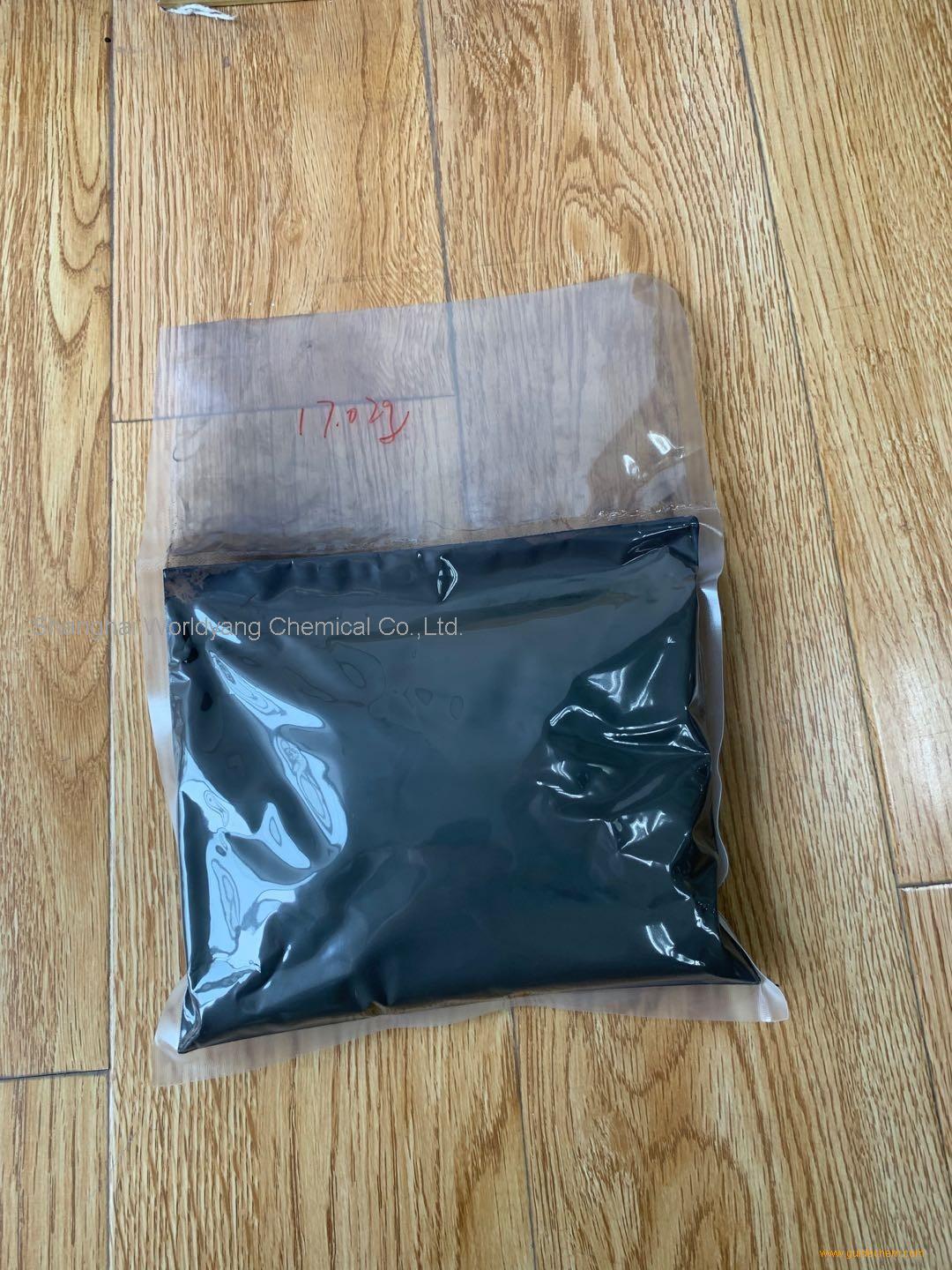
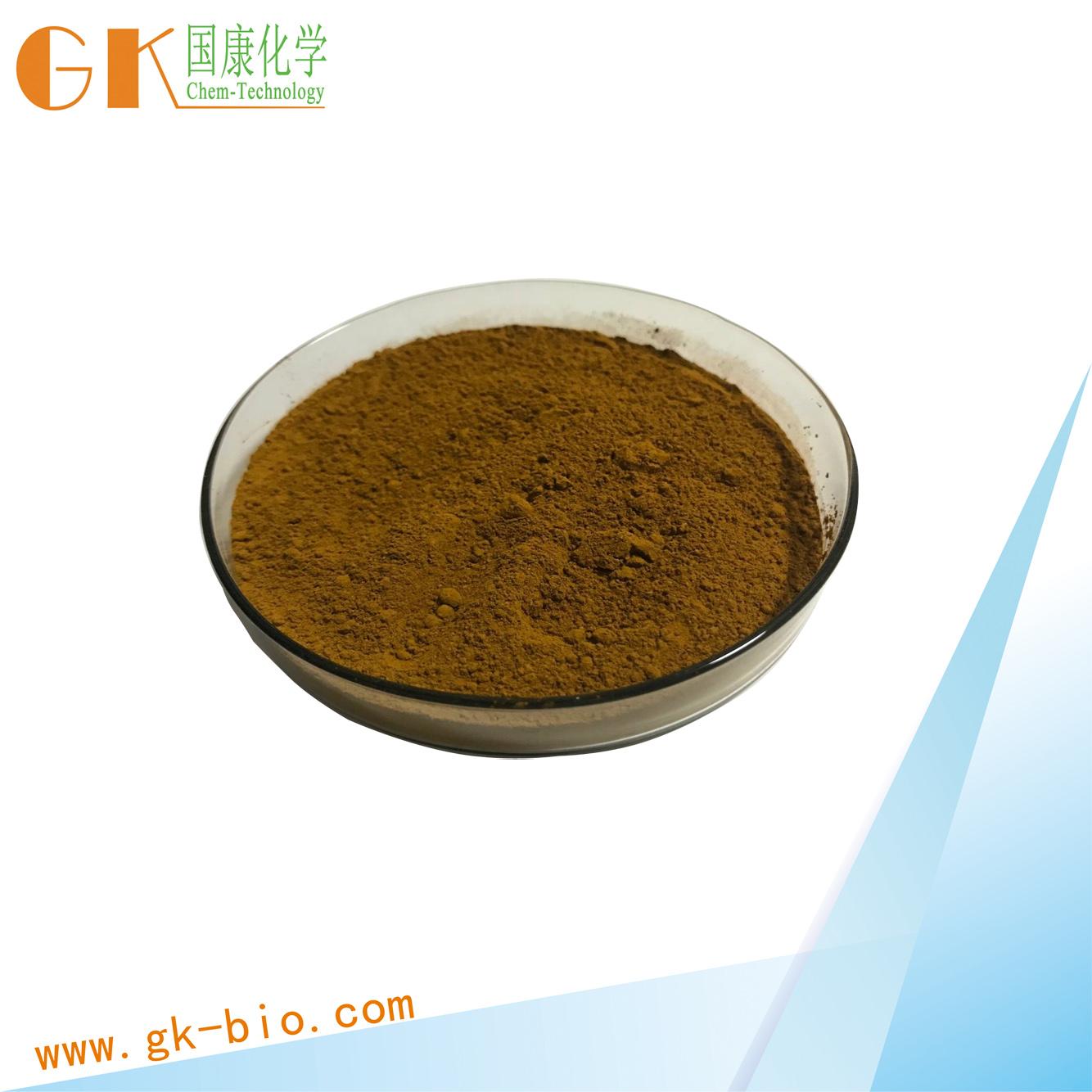
Commercial Adams' catalyst is a dark brown, water-insoluble solid containing about 85.9 percent platinum on a dry basis, typically carrying several percent of water plus traces of sodium, chloride and nitrate from the fusion step. Performance depends far less on stoichiometry than on surface area and particle morphology, so a lot can be compliant on platinum content yet kinetically sluggish because the drying cycle collapsed its surface.
Almost all commercial material derives from refinery-grade chloroplatinic acid or its ammonium salts, themselves products of primary mine-concentrate refining or of secondary loops that dissolve spent catalyst and other scrap in hydrochloric acid and chlorine. Converting that feedstock to active oxide is where operating skill and lot consistency concentrate. Both industrial routes culminate in the same finishing operations: washing out soluble salts, low-temperature drying that avoids sintering, milling to a particle-size band, and blending large lots to a target platinum content.
Demand is best read as hydrogenations-per-molecule rather than tonnage. As pipelines shift toward heteroatom-rich structures, chemoselective reduction steps per kilogram of active ingredient rise, supporting offtake even when batch volume is flat. Substitution pressure is real: simple reductions migrate to nickel sponge, asymmetric homogeneous ruthenium and iridium systems capture stereocontrolled steps, . The counterweight is that registered process descriptions frequently specify Adams' catalyst by name, so switching costs exceed the metal premium saved.
Mining is geographically concentrated, while refining and reconversion capacity spreads across South African matte refineries, European metal refineries in Germany, Belgium and the United Kingdom, Japanese precious-metal houses and a rapidly growing Chinese sector serving domestic chemical demand. China adds a distinctive fiscal layer: platinum and certain platinum-bearing products have been inside a dedicated value-added tax collection regime since 2003, so invoicing, bonded movement and export documentation must be handled by brokers experienced in precious-metal declarations.
Quotations are rarely a fixed unit price. Sellers quote metal against a fixing or spot reference, add conversion and finishing charges, and levy a financing component for carrying inventory, with metal-on-loan available to high-throughput users. A second bifurcation is provenance: recycled-content material traded under chain-of-custody programmes has carried a premium from sustainability-sensitive buyers. Grades also separate the market, since high-surface-area oxide commands a higher conversion charge than standard material of identical composition, so benchmark cost per hydrogenation rather than per kilogram.
Four overlapping regimes govern platinum dioxide at once: inventory and classification law at destination; impurity rules administered through the customer's registrations; workplace process-safety rules at the plant; and waste-shipment law once spent catalyst crosses a border. Exporters treating these as one consolidated file outperform those who discover the fourth layer during an inspection.
Sustainability has inverted traditional buying logic: because primary mining and concentrating is highly energy-intensive, provenance is now the dominant environmental variable where once only cost and activity mattered. Buyers operating under net-zero commitments treat emissions from purchased metal as upstream Scope 3 Category 1 emissions, making recycled content, verified emissions factors and refinery-level assurance a bid qualifier rather than a differentiator.
Circularity is compelling because high contained value makes high recovery rates achievable: spent catalyst is collected, dissolved, refined back to chloroplatinic acid and reconverted to fresh oxide, closing the loop repeatedly on the same atoms. Secondary refining consumes far less energy per kilogram than mining and concentrating ore, though the ratio depends on inventory boundary and co-product crediting. The carbon border adjustment mechanism does not currently cover platinum, so exporters should not assume CBAM exposure but should expect equivalent data demands.
Responsible sourcing is evidenced at refinery rather than mine level. Major platinum-group refiners operate under the LPPM Responsible Precious Metals Guidance, the Responsible Jewellery Council chain-of-custody standard and ISO 9001 and ISO 14001 systems. Buyers should demand documented refinery identity with assurance status, a reconciliation statement giving recycled versus primary input share, and a chain-of-custody reference traceable to the dissolution batch. Platinum is not a 3TG conflict mineral, yet serious refiners apply equivalent due diligence, and converters without this paperwork routinely fail audits.
Logistics are shaped by a contradiction: shipments of a few kilograms carry metal value comparable to a truckload of conventional chemicals while ranking among the most ignition-sensitive materials a warehouse holds. Route design therefore optimises security and ignition control rather than freight cost.
Classification must be confirmed against the current supplier safety data sheet and the applicable modal rule, because practice varies with water content: dry oxide carrying H272 typically travels as an oxidising solid under UN1479, Class 5.1, Packing Group II, whereas water-wetted or specially packaged lots may qualify for relief under special provisions. Air shipment proceeds under the IATA Dangerous Goods Regulations, sea freight under the IMDG Code and European road movement under ADR, each requiring UN specification packaging, segregation from combustibles and declared metal value. Layered mitigations are standard: escorted transfer for high-value lots, insurance written on a refining-value basis, and an emergency card instructing responders never to disperse the dry solid.
Successful suppliers and sophisticated buyers converge on one model: treat platinum dioxide as a managed metal position, not a catalogue item.
Platinum dioxide occupies a rare position: a century-old material whose technical case has not been eroded by newer alternatives and whose commercial terms are dictated by geology and refinery capacity. The implications are counterintuitive: optimising the conversion charge yields marginal savings, whereas errors in pricing basis, moisture definition, assay method or spent-catalyst classification routinely cost more than the entire purchase. Performance likewise depends less on nominal platinum content than on surface area and activity, explaining why two identically certified lots can behave very differently in a vessel.
Through 2026 the centre of gravity moves from price discovery toward proven assurance: transparent benchmark pricing, full analytical panels, refinery-level evidence and repatriation of spent catalyst under pre-cleared documentation. Buyers that embed those four requirements in tender templates will see real differentiation for the first time, and will find that the discount on the cheapest offer usually evaporates once dryness basis, activity and recovery credits are normalised.
Powered by Guidechem
This white paper is exclusively compiled by the Guidechem Intelligence Team based on global customs data, regulatory databases, and industry research. Guidechem is a leading global B2B chemical platform, dedicated to connecting global buyers with verified, high-quality manufacturers.
Relying on Guidechem's extensive global database, we have mapped the core participants in the current global Platinum dioxide (Adams' catalyst) supply chain:
Disclaimer: The content of this white paper is compiled based on public market data and regulatory information available as of 2026. Global chemical regulations are subject to dynamic adjustments. In actual export operations, enterprises must consult professional regulatory advisors or relevant competent authorities to obtain the latest compliance guidance.
|
 |
 |
 |
 EN
 Agricultural News
 Food News
 Industrial News
 Cosmetic News
 Pharmaceutical News
 Science News



 5YRS

