-
We detected your language preference as English. Would you like to switch to the English version for a better experience?
Switch to English
Stay here


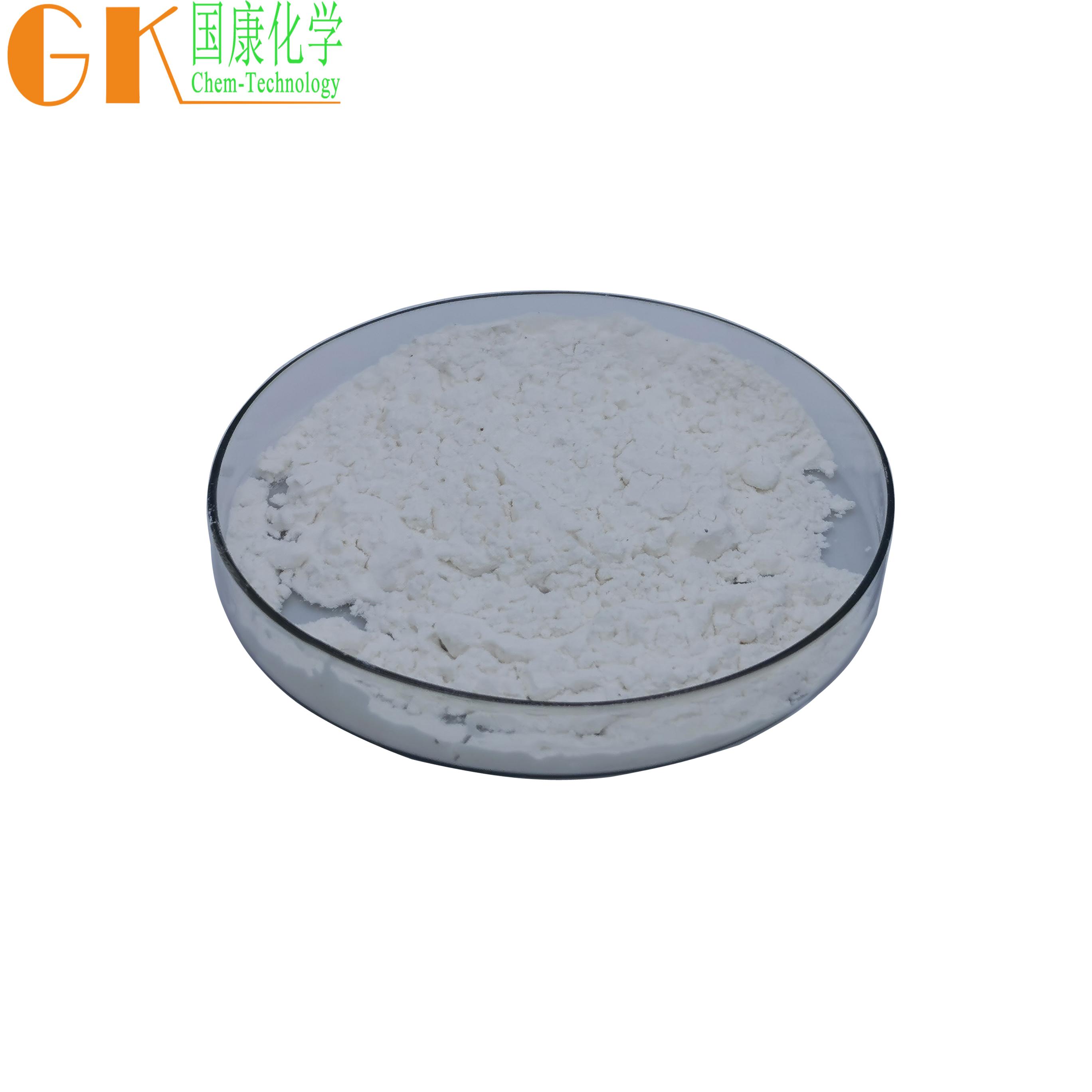
Zirconium hydroxide, conventionally written as zirconium tetrahydroxide, is better described commercially as hydrated zirconia: a poorly ordered, high-surface-area hydrous precipitate whose nominal stoichiometry is a simplification of a hydrated zirconium oxide network carrying variable water and hydroxyl content. It is the gateway intermediate of the entire zirconium chemicals chain. Almost every soluble zirconium salt, zirconia powder, stabilised zirconia ceramic, zirconium-based catalyst support, opacifier, electronic ceramic and solid-state electrolyte route passes through this material or its immediate analogue, which explains why its specification is argued over more than its price.
What buyers actually purchase is not a formula but a calcination trajectory. Loss on ignition and the zirconium dioxide content obtained after firing determine yield; iron, titanium, sodium and silica determine colour and sintering behaviour; hafnium determines whether the material can enter nuclear or certain electronic routes; and the physical form determines whether the powder flows into a ceramic press or blinds a filter. Because zircon sand carries naturally occurring radionuclides concentrated during processing, radioactivity screening has become a standard purchase term rather than an exception, alongside the regulatory question of whether a given fine precipitate is treated as a nanoform under REACH.
This white paper examines the precipitation chemistry that sets those properties, the specification set used to control them, the treatment of hydrous versus anhydrous identity and of nanoform status, the obligations arising under EU and United States chemical control regimes, and the practical realities of exporting a dusty, alkaline-textured, sometimes high-surface-area solid. It is addressed to sourcing managers, ceramic and catalyst process engineers and compliance officers.
Zirconium(IV) hydrolyses aggressively. When an acidic zirconium solution is neutralised, the tetravalent cation does not simply accumulate hydroxide ligands; it forms tetranuclear hydroxo-bridged species that polymerise rapidly into an amorphous hydrated oxide network with substantial bound water and residual anion. The practical consequence is a material whose surface chemistry dominates its bulk chemistry, which is exactly why it functions as a phosphate-binding sorbent and as a catalyst support precursor, and also why two lots meeting the same nominal chemical analysis can calcine to zirconia of quite different colour and density.
Manufacturing begins upstream with the conversion of zircon sand, and then proceeds by precipitating a hydrous zirconium oxide from a purified zirconium salt solution. The precipitation step is deceptively simple and entirely determines product quality, because precipitation pH, temperature, addition rate, ageing time and washing efficiency jointly set particle morphology, residual anion content and the way the material behaves later in a kiln. Everything downstream, filtration, drying intensity and milling, either preserves or destroys that structure.
Demand tracks everything downstream of zirconia. Structural and dental zirconia consumption continues to expand in Asia, while electrification has become the most consequential growth vector, since both solid oxide systems and battery material chains consume high-purity zirconium intermediates and both impose purity standards nearer electronic than ceramic level. Traditional ceramic, glaze and refractory consumption remains the volume backbone but grows more slowly and is more cyclical, being tied to construction and ceramics exports. In parallel, tighter phosphate discharge limits in Europe, China and North America are creating a distinct, specification-driven demand stream for sorbent-grade material.
Capacity sits where zircon basic chemicals are converted, since the hydroxide is made from the salts rather than transported long distances in precursor form. China holds the dominant conversion position on the strength of very large zirconium oxychloride capacity fed by imported zircon sand, exporting both the hydroxide and the downstream powders. India maintains integrated public-sector processing of mineral sands with associated zirconium chemicals capacity, Europe and Japan retain high-purity specialty plants serving ceramics, catalyst and electronics customers, and the United States imports substantially while operating some captive and merchant purification.
Pricing is properly quoted on contained zirconia after firing, with discount applied against transport water weight, and then tiered by purity and hafnium status. Ceramic-grade material behaves as a traded industrial intermediate closely following zircon sand cost and energy; catalyst and electronic grades behave as specialty products sold on annual agreements with change control. Because hafnium is always co-produced from zircon and is separable only by capital intensive extraction, the value and availability of nuclear-grade hafnium streams indirectly shape zirconium hydroxide economics.
The regulatory discussion here has one genuinely contested frontier and several settled ones. The settled questions are registration, classification, radioactivity screening and the standard obligations applicable to an industrial inorganic solid. The contested frontier is whether a hydrous zirconium oxide precipitate whose primary particles can fall well below one hundred nanometres is treated as a nanoform, because that determination changes the depth of hazard characterisation expected and how downstream formulators describe their own products.
As an enabling material rather than a consumer-facing one, this product's environmental profile is best discussed through the energy intensity of the zircon conversion chain and through the functional lifetime benefits it delivers in ceramics, catalysts and electrolyte systems. It also carries a genuine waste responsibility where it is used as an adsorbent, because phosphate-loaded spent media cannot simply return to landfill as inert material.
The largest controllable burden is upstream: opening zircon sand and purifying the zirconium salt before precipitation, followed by drying energy proportionate to how much water the customer ultimately pays to ship. Reducing that burden means higher solids filter cake, lower temperature drying that preserves surface area, and recovery of ammonia and sulfate streams. Downstream, longer-lived components made of advanced ceramics and higher efficiency catalytic processes deliver service-life benefits that generally outweigh the intermediate's own footprint.
Traceability requirements proceed from the mine concentrator through to campaign-level certificates, and now commonly extend to evidenced management of process residues with elevated radioactivity. ISO 9001 and ISO 14001 certification are the baseline expectation, with additional quality system alignment expected where automotive or electronic customers audit the chain. Because downstream users face their own extended producer pressure, suppliers who can produce campaign-linked analytical and radioactivity records win qualification disputes that price and assay alone cannot settle.
Physically this is a fine, dusty, high water content solid that is alkaline in texture without being caustic, and that consolidates in transit. Most commercial difficulty arises from three ordinary things: caking and bridging in containers after long voyages, water content drift between loading and discharge, and dust generation during manual handling at destinations without adequate local exhaust ventilation.
Standard hydrated zirconium hydroxide is not classified as a dangerous good for road, sea or air transport, but this must be confirmed for the specific grade against section fourteen of the safety data sheet, since surface-treated, low-water or nanoform variants may carry different hazard communication. No temperature control is required, but dry, well-ventilated stowage away from container rain and strong acids is important. Because radioactivity from zircon chain material is normally far below transport thresholds after purification, shipments move as ordinary cargo once screening documentation evidences that conclusion.
Suppliers win here by controlling the trajectory into the customer's kiln rather than by shipping an intermediate to a specification. The three measures below are the ones that convert qualification samples into recurring export contracts.
Zirconium hydroxide is structurally indispensable and commercially subtle. Its demand is anchored in established ceramics and growing electrification and environmental applications, and its supply is shaped by a conversion base concentrated in Asia and by a single upstream constraint, the availability and quality of zircon sand. Suppliers who master the calcination trajectory will continue to capture disproportionate value from what appears to be an ordinary intermediate.
Buyers should specify fired basis rather than nominal stoichiometry, require trace metal analytics, hafnium declaration where relevant and radioactivity screening with every lot, and hold change control over precipitation chemistry. Those four measures remove most of the risk from a category whose failures typically surface only after material has already entered the kiln.
Powered by Guidechem
This white paper is exclusively compiled by the Guidechem Intelligence Team based on global customs data, regulatory databases, and industry research. Guidechem is a leading global B2B chemical platform, dedicated to connecting global buyers with verified, high-quality manufacturers.
Relying on Guidechem's extensive global database, we have mapped the core participants in the current global Zirconium hydroxide (zirconium tetrahydroxide) supply chain:
Disclaimer: The content of this white paper is compiled based on public market data and regulatory information available as of 2026. Global chemical regulations are subject to dynamic adjustments. In actual export operations, enterprises must consult professional regulatory advisors or relevant competent authorities to obtain the latest compliance guidance.
|
 |
 |
 |
 EN
 Agricultural News
 Food News
 Industrial News
 Cosmetic News
 Pharmaceutical News
 Science News


 1YR


