
I. Executive Summary
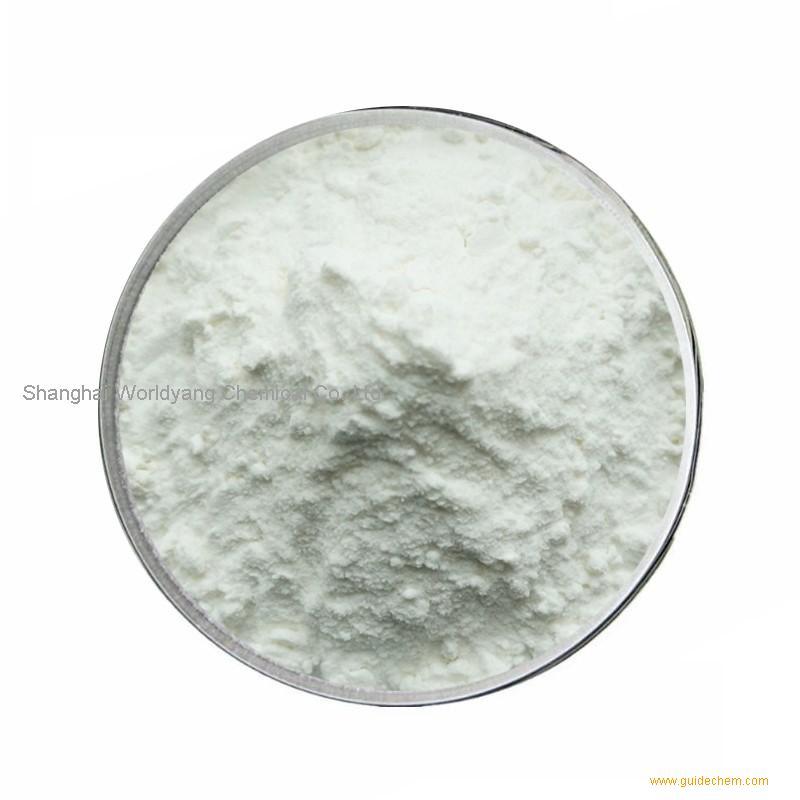
Potassium hexafluorophosphate, KPF6, CAS 17084-13-8, formula weight about 184.06 g/mol, is a white crystalline inorganic fluoride salt that has moved from speciality obscurity to strategic visibility. Its commercial centre of gravity is the lithium-ion battery industry, where it serves as a key precursor and fluorinating intermediate in the manufacture of lithium hexafluorophosphate, the conducting salt still dominant in carbonate-based electrolytes. It is also a workhorse anion source for ionic liquids, electrochemistry and organic synthesis. This paper is written for B2B buyers, sourcing managers and compliance officers, and addresses two issues that now dominate commercial negotiation: specification discipline around trace water and free acid, and the expanding PFAS policy environment.
Manufacture is a fluorine-chemistry problem. The mainstream route reacts phosphorus pentafluoride, generated from phosphorus chlorides or phosphoric acid feedstocks and anhydrous hydrogen fluoride, with potassium fluoride in an anhydrous hydrogen fluoride medium, followed by crystallisation, separation and drying under strictly dry conditions. Because the hexafluorophosphate anion hydrolyses to release hydrogen fluoride, the entire plant philosophy centres on water exclusion, materials of construction compatible with hydrogen fluoride, continuous gas detection, scrubbing and containment engineering, and operator protection systems. Emergency response planning is a design input, not an afterthought.
Commercially, buyers grade suppliers on four axes: metallic purity at 4N or 5N level, trace moisture by Karl Fischer titration, free acidity expressed as hydrogen fluoride, and trace transition metals such as iron, nickel, copper and sodium that damage battery performance. In parallel, the PFAS policy wave has made regulatory status a commercial variable in its own right. Whether the hexafluorophosphate anion falls within a given PFAS definition depends on the exact legal text in force, and the current status of the European universal restriction proposal and of EPA reporting obligations must be verified against the latest official sources before any long-term contract is signed.
II. Product Deep Dive: Molecular Mechanisms and Production Evolution
2.1 Physicochemical Properties and Mechanisms
KPF6 is an ionic solid pairing a hard potassium cation with the octahedral hexafluorophosphate anion. It is appreciably soluble in water and in polar aprotic solvents including acetonitrile and the carbonate solvents used in battery electrolytes, and it is valued because the anion is weakly coordinating, electrochemically stable across the operating window of lithium-ion cells, and readily metathesised to other hexafluorophosphate salts. Thermal and hydrolytic stability are the limiting properties: in the presence of moisture or acid the anion degrades, releasing hydrogen fluoride and forming oxyfluorophosphate species.
- Hydrolytic sensitivity and hydrogen fluoride release: Even traces of water drive partial hydrolysis, generating hydrogen fluoride and lowering effective assay while corroding packaging and downstream equipment. This single property explains why moisture specification, dry-room handling, hermetic packaging and nitrogen blanketing are treated as product-quality controls rather than as logistics preferences, and why free acidity is reported alongside assay on every serious certificate of analysis.
- Weakly coordinating anion and metathesis chemistry: Because hexafluorophosphate coordinates weakly, it is exchanged readily with lithium, quaternary ammonium, imidazolium or phosphonium cations to give battery salts, ionic liquids and lipophilic electrolyte salts. Ionic liquids built on this anion are used as non-aqueous electrolyte media, as solvents for electrochemistry and as reaction media, making the potassium salt a common entry point into that value chain.
2.2 Synthesis and Manufacturing Technologies
Industrial practice converges on one family of routes, with differences in how phosphorus pentafluoride is generated and in how the product is isolated and dried. All variants are anhydrous hydrogen fluoride processes, so process safety engineering is the primary differentiator between competent and marginal producers, and the discussion below is limited to legitimate industrial practice.
- Phosphorus pentafluoride generation and salt formation: Phosphorus pentafluoride is produced by fluorinating phosphorus pentachloride or phosphoric acid feedstocks with anhydrous hydrogen fluoride, then reacted with potassium fluoride dissolved or suspended in anhydrous hydrogen fluoride to give the salt. Alternative practice neutralises hexafluorophosphoric acid with potassium hydroxide or carbonate, which is simpler but harder to drive to battery-grade dryness. Reactor and piping materials are selected for hydrogen fluoride service, with hydrogen chloride and hydrogen fluoride recovery and scrubbing integrated.
- Crystallisation, separation and dry finishing: Product is crystallised from the anhydrous medium, separated, washed with low-water solvent and dried under vacuum or inert gas at temperatures that avoid decomposition, then milled and classified under dry-room conditions. Final operations are executed in dried enclosures with nitrogen blanketing, continuous hydrogen fluoride detection, secondary containment and scrubbing, and immediate hermetic packing to prevent moisture uptake before analysis.
2.3 Core Application Matrix
- Precursor and intermediate for lithium hexafluorophosphate: The principal volume application. Potassium hexafluorophosphate is converted by metathesis or ion exchange into lithium hexafluorophosphate for carbonate-based electrolytes, so demand, specification and pricing track the lithium-ion cell industry directly.
- Ionic liquids and electrochemical media: Used as the anion source for imidazolium, pyrrolidinium and quaternary ammonium hexafluorophosphate ionic liquids, which serve as electrolytes, solvents for electrodeposition and media for electrochemical synthesis and research.
- Organic synthesis and speciality salt manufacture: A convenient route to lipophilic and organometallic hexafluorophosphate salts used as counterions in catalysis, photoredox and organometallic chemistry, and as reagents where a weakly coordinating, non-nucleophilic anion is required.
III. Global Market Supply-Demand Landscape and Export Trends
3.1 Demand Drivers and Market Shifts
Demand is now structurally coupled to electric vehicle and stationary storage cell production, which converts a previously steady speciality salt into a cyclical, volume-driven commodity with tight specification. That coupling cuts both ways: cell makers push specifications on moisture, free acid and trace metals ever lower, while cell demand swings transmit back into fluoride-salt pricing with little lag. In 2026 buyers are also qualifying second sources outside the dominant producing region, treating supply security as part of the specification, and asking suppliers to document PFAS status in writing.
3.2 Capacity Distribution and Export Flows
Capacity is highly concentrated. China hosts the largest integrated fluorine-chemical base, with clusters producing hydrogen fluoride, phosphorus intermediates and hexafluorophosphate salts at scale, and it sets the global price floor. Japan and South Korea hold high-purity battery-grade capability with long-standing electrolyte-salt expertise and strong quality reputations. Europe and North America have comparatively limited salt capacity but growing downstream electrolyte formulation, recycling and speciality demand. Export flows run overwhelmingly from Asian salt plants to electrolyte formulators and cell plants, with a smaller high-purity stream to ionic liquid and reagent customers.
3.3 Market Bifurcation and Pricing Dynamics
Pricing is a function of purity tier and of upstream fluoride and phosphate feedstock costs, with battery-grade material trading at a substantial premium to technical grade. The spread is driven by the cost of reaching and holding low moisture and low free acid, by the analytical burden of trace metal panels, and by the capital cost of dry-room finishing. Contracts increasingly index to feedstock and energy, and typically include price-adjustment clauses, because hydrogen fluoride, phosphorus chlorides and energy input can move sharply within a single quarter.
IV. In-depth Analysis of Global Compliance and Regulatory Barriers
Potassium hexafluorophosphate sits under three overlapping regulatory umbrellas: conventional chemical control, transport and hazard classification driven by hydrolysis to hydrogen fluoride, and the rapidly evolving per- and polyfluoroalkyl substance policy environment. The third is the least settled and the most commercially consequential, and it must be tracked against primary legal sources rather than secondary summaries.
4.1 European Market: REACH, CLP, and Sector-Specific Directives
- REACH registration, CLP classification and PFAS policy developments: Registration status and tonnage band must be confirmed by the importer or only representative before supply, and the CLP classification, typically covering acute toxicity and skin and eye corrosion or serious irritation together with hydrolytic hydrogen fluoride release, drives SDS, labelling, packaging group and workplace controls. On PFAS, the universal restriction proposal submitted by several member-state authorities to ECHA is proceeding through evaluation with sector-specific assessment; its scope, timing and any derogation for battery and electrolyte uses must be verified against the current official status before contracting.
- Industrial emissions, fluoride effluent and fluorinated waste: Production falls within industrial emissions permitting, with best available technique conclusions setting expectations on fluorinated emissions and effluent. Wastewater treatment is based on precipitation of fluoride as calcium fluoride using lime or calcium chloride, often followed by aluminium coagulation or activated alumina polishing, with fluoride monitored against permit limits and sludge sent to appropriate hazardous or controlled disposal. National restrictions on fluorinated products and on perfluoroalkyl substances in consumer articles should also be checked, as they differ by member state.
4.2 North American Market: TSCA, EPA, and FDA Regulations
- TSCA status and EPA PFAS reporting under section 8(a)(7): Commercial import depends on the substance's TSCA inventory status and on any applicable rule or order. Separately, EPA's PFAS reporting rule under TSCA section 8(a)(7) imposes one-time reporting on manufacturers and importers of covered per- and polyfluoroalkyl substances, including articles and, under the amended rule, additional submitters and data elements. Whether a specific inorganic hexafluorophosphate is captured depends on the structural definition in force and on the reporting deadlines as amended, and this must be determined from the current rule text, not assumed.
- Workplace, product and state-level requirements: Hydrogen fluoride exposure is governed by occupational exposure limits and by process safety management expectations for anhydrous hydrogen fluoride service, including detection, scrubbing, relief and containment. Battery supply chains additionally face customer-driven material declarations, conflict mineral and ESG questionnaires, and state-level chemical and PFAS product reporting regimes that vary by state and should be mapped per destination.
4.3 The Critical Hurdle: Quality Control and Safety Limits
Compliance Warning: The critical hurdle is the combination of trace moisture, free acidity and trace metals with fast-moving PFAS policy. Battery-grade buyers should specify moisture by Karl Fischer titration with a numerical limit, free acidity expressed as hydrogen fluoride, individual limits for iron, nickel, copper, chromium and sodium by ICP-MS, insoluble matter, chloride and sulfate, plus assay and appearance, and should require sampling and analysis under dry-room conditions because a poorly taken sample will fail regardless of true lot quality. At the same time, no supplier should state that the material is PFAS-free or PFAS-regulated without a documented legal determination against the current text of the applicable rule, and any such statement should be supported by counsel or a competent regulatory adviser.
V. Green Trade Barriers and ESG in Manufacturing
Fluorine chemistry carries a distinct environmental profile: fluoride-bearing effluent and off-gas, energy-intensive hydrogen fluoride production, and end-of-life considerations for fluorinated electrolyte salts. Governance is increasingly driven by battery customers, whose own disclosure obligations push requirements for emissions data, water treatment performance and responsible sourcing back up the chain.
5.1 Carbon Footprint and Circular Economy
The footprint is dominated by upstream hydrogen fluoride and phosphorus intermediate production, by drying energy and by the electricity intensity of dry rooms. Credible reduction levers include heat integration and steam system optimisation, recovery and reuse of hydrogen fluoride and hydrogen chloride, high-efficiency scrubbing with reduced reagent consumption, and renewable power procurement. Suppliers that can report product-level carbon data increasingly win cell-maker qualification, because electrolyte salt is a visible line in battery Scope 3 accounting.
5.2 Sustainable Sourcing and Traceability
Traceability should cover fluorspar or hydrogen fluoride origin, phosphorus feedstock provenance, energy source, and the full chain from salt plant to electrolyte formulator, with batch-level certificates and retained samples. Battery customers routinely ask for responsible sourcing documentation and for evidence of waste and effluent treatment performance, and recycling flows are becoming part of the picture as fluorinated electrolyte recovery and safe destruction of spent salt enter commercial practice.
VI. Supply Chain Resilience and Export Logistics
Logistics for this salt is a moisture-exclusion exercise with a hazard overlay. The product itself is stable when dry and properly packed, but any breach that admits humidity produces hydrogen fluoride, which attacks packaging, documentation and personnel. Consequently packaging specification, warehouse conditions and container integrity checks are quality-critical operations.
6.1 Packaging Standards and Moisture/Contamination Control
- Hermetic moisture-barrier primary packaging: Material is packed in lined fibre drums or rigid containers with an inner aluminium-barrier or multi-layer polyethylene liner, closed under nitrogen with desiccant where appropriate and with a documented moisture-vapour transmission performance. Headspace humidity or product moisture is verified at fill, and every closure should be tamper-evident and recorded by lot.
- Dry, segregated warehousing and container integrity checks: Storage should be cool, dry and segregated from acids, alkalis and water sources, with humidity monitoring, spill containment and hydrogen fluoride detection in storage areas. Incoming inspection should verify liner integrity and drum condition before release, and any damaged container should be quarantined and handled under a written procedure rather than repacked informally.
6.2 Dangerous Goods Identification and Transit Protocols
Transport classification follows the SDS and the approved classification for the destination, with consignments commonly declared as non-dangerous where the classification permits or as a Class 8 corrosive solid where it does not; the correct UN number and packing group must be determined per shipment rather than assumed from a previous order. Declarations normally fall within HS heading 2826 for fluorides and complex fluorides, verified against destination tariff practice. Containers must remain sealed and dry in transit, with desiccant and moisture-indicator control for long sea legs, and emergency response information must accompany the consignment.
VII. Enterprise Global Expansion Strategy Guide
Winning positions in this market are built on specification credibility and regulatory foresight rather than on price. Three priorities follow for producers and exporters.
- Sell the specification, and prove it under dry conditions: Publish a battery-grade specification covering assay, moisture by Karl Fischer, free acidity as hydrogen fluoride, individual trace metals, insolubles, chloride and sulfate, and invest in dry-room sampling, retained samples and instrumented packing lines. Offer customer-witnessed analysis and third-party verification, because moisture disputes are the largest source of commercial friction.
- Build a documented PFAS position and monitor it: Maintain a live regulatory file covering the EU universal restriction process, EPA reporting obligations under TSCA section 8(a)(7), national and state measures, and customer declarations, with a written legal determination refreshed as texts change. Avoid categorical statements in marketing material, and equip sales teams with a compliant, sourced answer instead.
- De-risk the chain through qualification and integration: Qualify as a second source with cell and electrolyte makers, consider backward integration into hydrogen fluoride and phosphorus intermediates to stabilise cost, and invest in fluoride effluent treatment, hydrogen fluoride recovery and product-level carbon reporting to satisfy battery customer audits.
VIII. Conclusion
Potassium hexafluorophosphate has become a strategic intermediate because the battery industry made it one. The chemistry is mature and the route family is well established, so differentiation comes from execution: how dry the product is, how low the free acid and trace metal figures are, how defensible the fluoride emissions and effluent controls are, and how well the organisation can answer the PFAS question without overstating its position.
For buyers, the practical guidance is to qualify on specification discipline and regulatory literacy, to hold suppliers to dry-chain controls from packing line to dry room, and to contract with explicit price-adjustment and change-control mechanisms. For suppliers, the prize is durable positioning in an electrolyte value chain that rewards verified quality, and the risk is being caught without a documented answer to a policy question that is moving faster than the product cycle.
IX. Industry Resource Connection and Supplier Ecosystem
Powered by Guidechem
This white paper is exclusively compiled by the Guidechem Intelligence Team based on global customs data, regulatory databases, and industry research. Guidechem is a leading global B2B chemical platform, dedicated to connecting global buyers with verified, high-quality manufacturers.
Relying on Guidechem's extensive global database, we have mapped the core participants in the current global Potassium hexafluorophosphate supply chain:
- China, integrated fluorine-chemical and electrolyte salt base: Clusters in Hubei, Shandong, Zhejiang, Jiangsu and Fujian combine hydrogen fluoride, phosphorus intermediates and hexafluorophosphate salt production with adjacent lithium hexafluorophosphate and electrolyte formulation, giving unmatched scale, cost position and speed to volume.
- Japan and South Korea, high-purity battery-grade salt: Established fluoride-chemical producers supply high-purity salt to domestic and international cell makers, competing on moisture and free-acid control, analytical rigour, long-standing electrolyte expertise and stable quality systems rather than on price.
- Europe and North America, formulation, speciality and recycling: Regional activity concentrates on electrolyte formulation, ionic liquid and reagent demand, distribution with REACH and TSCA coverage, and emerging fluorinated salt recovery and recycling, supported by strong occupational hygiene and emissions regulation.
Disclaimer: The content of this white paper is compiled based on public market data and regulatory information available as of 2026. Global chemical regulations are subject to dynamic adjustments. In actual export operations, enterprises must consult professional regulatory advisors or relevant competent authorities to obtain the latest compliance guidance.


 EN
 Agricultural News
 Food News
 Industrial News
 Cosmetic News
 Pharmaceutical News
 Science News


 5YRS

