-
We detected your language preference as English. Would you like to switch to the English version for a better experience?
Switch to English
Stay here


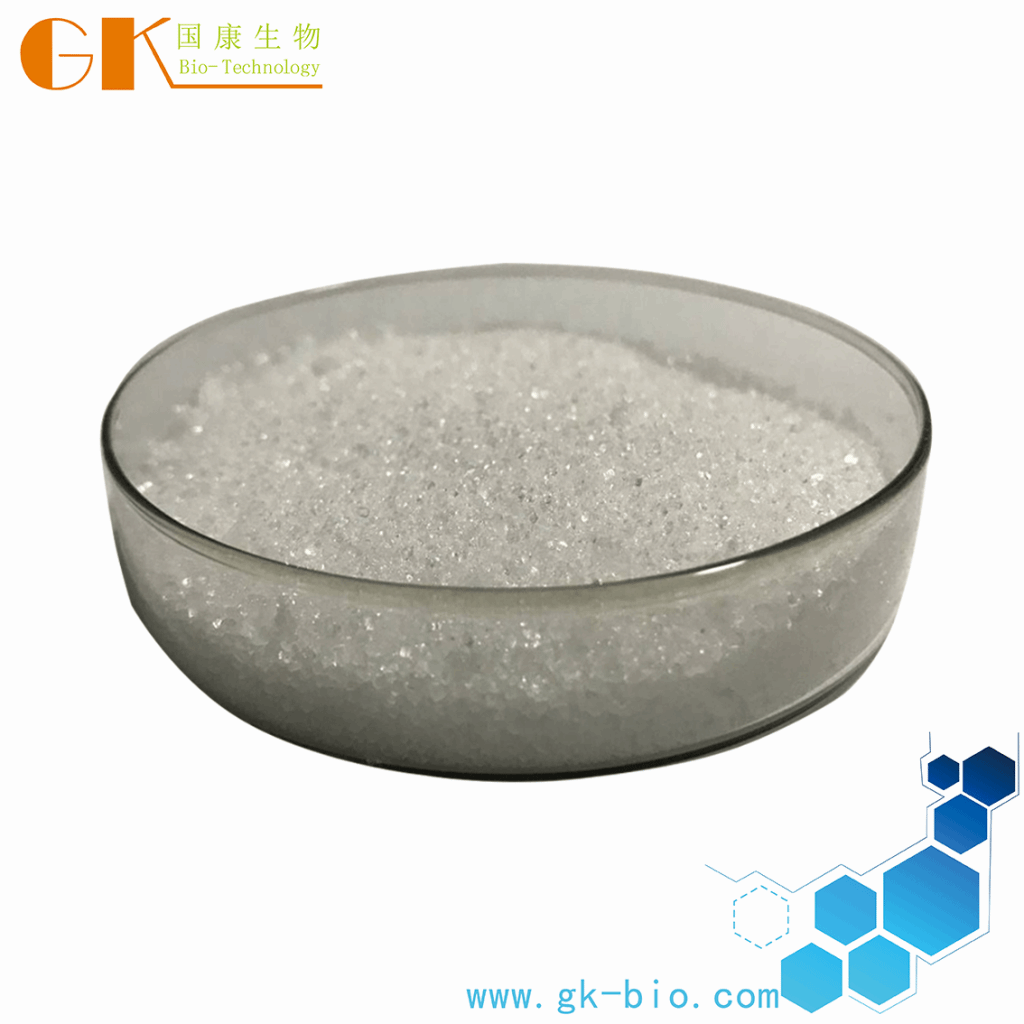
Sodium lauryl sulfoacetate, CAS 1847-58-1, is a high-foaming anionic surfactant used primarily in rinse-off cosmetics, syndet bars, bath powders, bath bombs, shampoos, and specialty cleansers. Its sulfoacetate head group is chemically distinct from the sulfate ester of sodium lauryl sulfate, allowing formulators to position it in many sulfate-free systems. Commercial material is commonly supplied as powder, granules, flakes, or blends, making particle size, active content, free fatty material, color, odor, moisture, and dust behavior important purchasing variables. Mildness claims must remain formulation-specific and should not imply that concentrated raw material is non-irritating.
SLSA combines a C12 hydrophobe with a sulfonated acetate-derived hydrophilic group, producing abundant foam and effective soil dispersion. Compared with SLS, it is commonly selected for a gentler sensory and irritation profile, particularly in rinse-off products, but exposure concentration, contact time, pH, and co-surfactants still control tolerance. Unlike SLES, its conventional route does not require ethoxylation, so 1,4-dioxane is not an inherent ethoxylation by-product. Buyers should nevertheless specify impurity testing based on the actual route, processing aids, and cross-contamination risk.
Demand is supported by solid cleansing formats and consumer preference for sulfate-free labels, but the category remains subject to regulatory scrutiny as a cosmetic raw material and as a fine inhalable powder in manufacturing. REACH, CLP, TSCA, FDA cosmetic expectations, GHS communication, and local inventory status must be assessed for the supplied form and intended market. Finished-product safety assessment remains the responsibility of the brand or responsible person and cannot be delegated to an ingredient certificate. B2B differentiation rests on gentle-performance evidence, dust control, traceable fatty feedstocks, consistent foam, and transparent documentation.
SLSA is an amphiphile whose lauryl chain associates with oils while the sulfoacetate group remains hydrated and negatively charged. In water it lowers interfacial tension and forms micelles that suspend sebum, pigments, and particulate soils for rinsing. The relatively bulky polar region and molecular architecture can reduce penetration and harshness compared with SLS in appropriately designed systems. Its practical behavior depends on purity, particle form, concentration, water hardness, pH, temperature, and blends with amphoteric or nonionic surfactants.
A representative manufacturing route prepares a lauryl ester or related derivative of sulfoacetic chemistry and neutralizes the sulfonic acid functionality to its sodium salt. Industrial details vary with feedstock and process design, so suppliers should identify reaction route, active basis, and residual profile in the technical dossier. Controlled stoichiometry and temperature limit hydrolysis, color formation, and unreacted fatty material. Finishing through drying, milling, granulation, and sieving creates the desired flow and dissolution behavior while introducing a need for combustible-dust and occupational-exposure controls.
SLSA demand is growing with waterless cosmetics, syndet bars, bath products, and premium sulfate-free cleansing. The opportunity is smaller than the SLES market and more sensitive to branding, sensory performance, and particle form. Alternatives such as isethionates, sulfosuccinates, amino-acid surfactants, and glucosides compete on mildness, natural-origin calculation, processing, and cost. Suppliers that provide comparative formulation data can capture value without making unsupported claims that all sulfate chemistry is harsh or that SLSA is irritation-free.
Asia-Pacific/China is a major source of fatty-chain surfactants and cost-competitive powdered grades, while Europe and North America maintain specialty formulation, distribution, and quality-demand centers. Export flows favor moisture-resistant bags, fiber drums with liners, and regional stocks because SLSA is lower volume and more specialized than bulk liquid surfactants. Contract manufacturers may provide custom particle size, low-dust granulation, blends, or application development for brand and formulator partners. Buyers should qualify both chemical manufacture and the finishing site, since milling or repacking can change contamination and dust risk.
Price is driven by lauryl feedstock, sulfoacetate chemistry, conversion yield, drying energy, particle engineering, packaging, and batch scale. Cosmetic-grade and low-dust materials command premiums for sensory control, microbiological quality, traceability, and narrower specifications. Quotations should be compared on active basis and usable yield, because moisture, salts, fines, and poor dissolution can erase an apparent discount. Long-term contracts benefit from agreed particle-size distributions, change control, retained samples, and forecast bands for seasonal bath-product demand.
SLSA must be assessed under the chemical-control and cosmetic frameworks of each destination. European supply requires appropriate REACH coverage and CLP classification, while the finished cosmetic must meet ingredient-listing, safety-assessment, claims, and product-notification obligations. United States industrial commerce requires TSCA status, and FDA cosmetic law places responsibility for safety and non-misleading labeling on the responsible business. GHS safety documents should address concentrated material, including eye irritation and dust exposure, rather than relying on the mild positioning of a finished cleanser.
SLSA sustainability depends on fatty-feedstock origin, chemical conversion, drying energy, dust management, water, and packaging. Coconut- or palm-derived carbon can be renewable, but land-use, biodiversity, and labor risks require traceable sourcing rather than generic plant-based claims. ISO 9001/14001 management systems can support controlled operations and corrective action when linked to measurable performance. B2B reviews increasingly request Scope 1-3 Emissions, renewable-carbon methodology, wastewater data, and worker-exposure metrics as part of ESG qualification.
Dry SLSA avoids shipping water and enables compact solid formulations, but spray drying or milling can be energy intensive. Cradle-to-gate comparisons should include fatty alcohol or fatty acid production, reaction inputs, steam, electricity, dust collection, and packaging. Renewable power, efficient dryers, heat recovery, high conversion, and recyclable liners can reduce impact. A waterless consumer format is not automatically lower carbon if processing energy, use-phase water, and end-of-life burdens are omitted.
Lot genealogy should link fatty feedstock, sulfoacetate reagents, sodium source, process aids, drying, milling, and final packaging. Chain-of-custody records should distinguish segregated, mass-balance, and certificate-based renewable claims. Cosmetic customers may also require animal-origin, allergen, GMO, nanomaterial, residual-solvent, heavy-metal, and microbiological statements tailored to market. Any change in fatty-chain source or particle engineering should trigger review because it can alter odor, foam, dissolution, and safety handling.
SLSA is typically a hygroscopic powder or granular solid, so moisture control and dust containment are core logistics requirements. Damaged liners can lead to caking, microbial concerns in blends, poor dispersion, and off-specification bulk density. Export documents should align product name, CAS, GHS status, customs code, country inventory, and cosmetic-grade declarations. Regional repacking should occur only under approved hygiene and dust-control procedures with full lot traceability.
Transport status must be determined from the current SDS and the exact physical form under ADR, RID, IMDG, IATA, and local rules. Even when not regulated as dangerous goods, fine organic surfactant dust requires prevention of airborne clouds and ignition sources. Loads should remain dry, separated from incompatible oxidizers, and protected from excessive temperature cycling. Receipt inspection should document seals, liner integrity, caking, odor, and any evidence of water damage before release.
Market entry should focus on the intersection of high foam, gentle-positioned cleansing, and solid-format processing. Suppliers need separate value propositions for formulators, contract manufacturers, and brands while preserving the boundary between raw-material performance and finished-product safety. Samples should match the commercial particle form and manufacturing site. Regulatory, technical, quality, and ESG files should be ready before customers begin costly stability and tolerance studies.
SLSA offers high foam and effective cleansing in a chemically distinct, sulfate-free-compatible architecture. Its generally gentler profile versus SLS makes it attractive for rinse-off and solid products, but concentrated-material hazards and finished-formulation tolerance still require evidence. Non-ethoxylated manufacture reduces the intrinsic 1,4-dioxane concern associated with ether sulfates, provided route and cross-contamination are verified. Particle engineering is as commercially important as chemical assay.
Buyers should evaluate active content, impurities, particle distribution, dust, moisture, microbiology, foam, and formulation compatibility together. Suppliers should integrate REACH, CLP, TSCA, FDA-relevant, GHS, ISO 9001/14001, and ESG documentation with traceable raw materials and Scope 1-3 Emissions. Robust moisture-barrier logistics and controlled repacking protect quality across regions. The strongest B2B proposition combines accurate sulfate-free positioning with transparent safety and process data.
Powered by Guidechem
This white paper is exclusively compiled by the Guidechem Intelligence Team based on global customs data, regulatory databases, and industry research. Guidechem is a leading global B2B chemical platform, dedicated to connecting global buyers with verified, high-quality manufacturers.
Relying on Guidechem's extensive global database, we have mapped the core participants in the current global Sodium lauryl sulfoacetate supply chain:
Disclaimer: The content of this white paper is compiled based on public market data and regulatory information available as of 2026. Global chemical regulations are subject to dynamic adjustments. In actual export operations, enterprises must consult professional regulatory advisors or relevant competent authorities to obtain the latest compliance guidance.
|
 |
 |
 |
 EN
 Agricultural News
 Food News
 Industrial News
 Cosmetic News
 Pharmaceutical News
 Science News


 1YR

