Guideview >  Articles >  Trends  > Di-tert-butyl dicarbonate:Exports & Compliance White Paper 2026

Di-tert-butyl dicarbonate:Exports & Compliance White Paper 2026

Di-tert-butyl dicarbonate (CAS 24424-99-5) is a widely used amine-protecting reagent in 2026 pharma synthesis. Secure high purity, complete documentation and reliable global export supply for peptide and API manufacturing. Aberdeen6 MIN READOctober 8, 2026
2026 Global Export Trends and Compliance White Paper on Di-tert-butyl dicarbonate (Boc2O)

I. Executive Summary

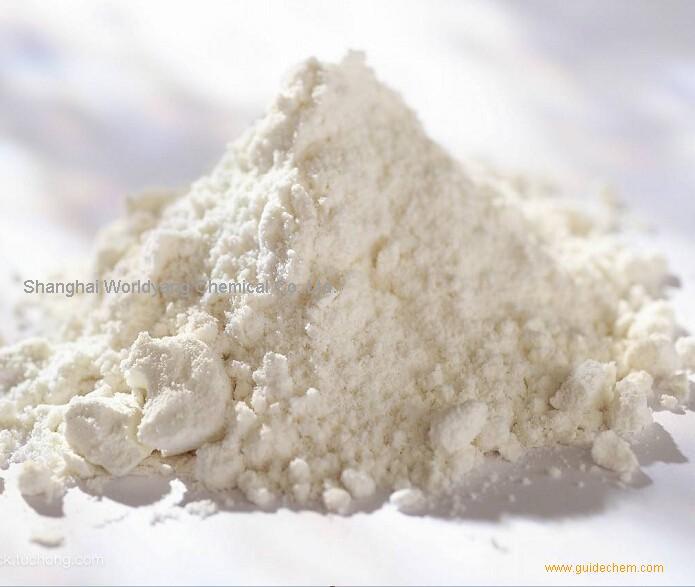
Di-tert-butyl dicarbonate, universally known as Boc anhydride or Boc2O (CAS 24424-99-5), is the reagent that made tert-butoxycarbonyl protection of amines an industrial practice rather than a laboratory curiosity. With the formula C10H18O5 and a molecular weight near 218 daltons, it is a low-melting solid or colourless liquid depending on ambient temperature, since it melts only slightly above typical room temperature. It installs the acid-labile Boc group on amines under mild conditions and releases only carbon dioxide and tert-butanol, which is why it displaced older and more hazardous chloroformate and azide-based reagents.

Its commercial centre of gravity has shifted decisively toward pharmaceutical manufacturing. The reagent is a consumable of peptide active ingredient synthesis and of small molecule active pharmaceutical ingredient routes, and the current expansion of peptide therapeutics manufacturing, together with the growth of contract development and manufacturing capacity in China and India, has transformed Boc2O from a catalogue reagent into a bulk industrial chemical bought under contract with pharmaceutical-grade documentation.

The product's central commercial risk is thermal instability. On heating, Boc2O decomposes exothermically, evolving carbon dioxide and isobutylene, so sealed drums can pressurise and burst; and on contact with moisture it hydrolyses to tert-butanol and carbon dioxide, destroying assay. Everything about specification, packaging, cold chain and warehousing follows from those two facts. This white paper examines synthesis routes, application demand, the REACH, CLP and TSCA perimeter, alternative Boc-transfer reagents, and the temperature-controlled logistics that preserve assay.

II. Product Deep Dive: Molecular Mechanisms and Production Evolution

2.1 Physicochemical Properties and Mechanisms

Boc anhydride is a pyrocarbonate, structurally the anhydride of two molecules of tert-butyl hydrogen carbonate. It is soluble in common aprotic solvents including tetrahydrofuran, acetonitrile, dichloromethane and toluene, and is typically handled as a solution or as a molten liquid. Its melting point sits just above typical room temperature, so summer shipments frequently arrive molten; a melted and re-solidified drum is not automatically off-specification, but it must be re-tested for assay before release.

  • Boc Transfer Mechanism and Selectivity: Reaction with a primary or secondary amine proceeds by nucleophilic attack at a carbonyl carbon, liberating tert-butyl carbonate, which decomposes to tert-butanol and carbon dioxide. The driving force is gaseous carbon dioxide evolution, so reactions are conducted with controlled gas venting. The resulting Boc-protected amine is stable to base, hydrogenation and nucleophilic conditions but cleaves cleanly under acid, which is precisely the orthogonality required in multi-step peptide and active ingredient synthesis.
  • Thermal Decomposition and Hydrolytic Sensitivity: Above its recommended storage temperature the molecule decomposes to isobutylene, carbon dioxide and tert-butanol, generating pressure in closed containers and losing assay. Moisture causes hydrolysis with the same carbon dioxide evolution, so water content in solvent, in headspace and in the receiving vessel is a specification-critical parameter. Buyers should treat drum pressurisation, bulging or a strong tert-butanol odour as evidence of degradation requiring quarantine.

2.2 Synthesis and Manufacturing Technologies

Industrial manufacture builds the pyrocarbonate from tert-butanol, carbon dioxide and a carbonylating agent. Sodium tert-butoxide, prepared from tert-butanol and sodium metal or sodium hydride, is carboxylated with carbon dioxide to the tert-butyl carbonate salt, which is then converted to the pyrocarbonate with a phosgene-class reagent such as phosgene or triphosgene. Alternative sequences proceed through tert-butyl chloroformate or through activated carbonyl transfer reagents. All routes are run dry and cold, under inert gas.

  • Sodium tert-Butoxide and Carbon Dioxide Route: Carboxylation of the alkoxide with carbon dioxide is the step that fixes carbon dioxide into the product, and it must be run under strictly anhydrous conditions at controlled temperature to avoid carbonate and bicarbonate formation. The subsequent coupling to the anhydride is performed at low temperature with careful stoichiometry, since residual acid chloride species accelerate decomposition. Carbon dioxide utilization here is a genuine, if modest, feedstock-carbon benefit that producers increasingly report.
  • Low-Temperature Purification and Stabilisation: Because the product cannot survive ordinary distillation temperatures, purification is by vacuum distillation at very low pressure or by controlled crystallisation and filtration, followed by packaging under dry nitrogen. Plants install pressure-relief and venting systems, maintain refrigerated storage, and, where a carbonylating agent of the phosgene class is used, operate dedicated containment, destruction and scrubbing systems with full gas monitoring.

2.3 Core Application Matrix

  • Peptide Active Ingredient Synthesis: The largest pharmaceutical use is protection of amino acid amines in solution-phase and solid-phase peptide synthesis, including the production of Boc-protected amino acid building blocks. Orthogonality with benzyl and fluorenylmethyloxycarbonyl protection strategies makes Boc chemistry central to convergent peptide routes, and consumption scales directly with peptide manufacturing volumes.
  • Small Molecule Active Pharmaceutical Ingredients: Boc protection is routine in active pharmaceutical ingredient routes containing amines, piperidines, piperazines and hydrazines, and in the synthesis of intermediates later deprotected under acid. Pharmaceutical buyers require documented impurity profiles, residual solvent data consistent with ICH Q3C and elemental impurity awareness under ICH Q3D.
  • Fine Chemicals, Agrochemicals and Research: Reagent-grade material serves custom synthesis houses, agrochemical research, materials chemistry and laboratory supply, where pack sizes are small, traceability expectations are lower and price per kilogram is correspondingly higher. This segment remains the most visible but is no longer the volume driver.

III. Global Market Supply-Demand Landscape and Export Trends

3.1 Demand Drivers and Market Shifts

The dominant driver is the expansion of peptide therapeutics manufacturing, particularly the large-volume peptides that have reshaped contract manufacturing capacity planning across China, India and Europe, since every kilogram of protected amino acid and every coupling campaign consumes Boc chemistry. Small molecule active ingredient outsourcing adds steady demand, and the growth of Chinese and Indian contract development and manufacturing organisations has relocated much of the purchasing decision to Asia. Demand has consequently shifted from catalogue reagent buying to contract buying with qualification.

3.2 Capacity Distribution and Export Flows

China is the largest producing and exporting country, with capacity in Zhejiang, Jiangsu, Shandong and Shanghai serving both reagent distribution and bulk pharmaceutical demand, supported by integrated tert-butanol, carbon dioxide and chlorination feedstocks. Indian producers supply domestic contract manufacturing organisations and active ingredient manufacturers and increasingly export to Europe and North America. European and North American production is oriented toward high-purity reagent and pharmaceutical-grade material, with strong documentation, cold-chain distribution and technical service, and it sets the specification benchmark for the category.

3.3 Market Bifurcation and Pricing Dynamics

The market splits cleanly between reagent grade sold in small packs at high unit price and industrial or pharmaceutical grade sold in drums at contract prices driven by tert-butanol, sodium, carbon dioxide, solvent and energy costs, and by refrigerated logistics. Price volatility usually originates upstream in tert-butanol availability and in the cost of the carbonylating agent. Because the product loses assay with heat and moisture, apparent bargains in drum material frequently conceal degraded titre, so buyers should compare price per unit of measured assay, not price per kilogram.

IV. In-depth Analysis of Global Compliance and Regulatory Barriers

As a reagent rather than an active substance, Boc2O is governed by chemical-substance law, but its use inside pharmaceutical supply chains pulls pharmaceutical documentation requirements onto it. Suppliers serving peptide and active ingredient customers therefore operate to expectations closer to ICH Q7 and ICH Q11 than to commodity chemical practice: change control, impurity identification, solvent declarations and traceability are routinely demanded. Chemical compliance and customer qualification have effectively merged into one package.

4.1 European Market: REACH, CLP, and Sector-Specific Directives

  • REACH Registration and CLP Classification: Di-tert-butyl dicarbonate is an existing registered substance under REACH, and importers above one tonne per year must confirm that the registration covers their tonnage band and uses, including any intermediate classification. CLP notifications commonly cite flammability on the basis of flash point together with skin and eye irritation, and in some notifications serious eye damage and specific target organ toxicity by inhalation, so labels, pictograms and precautionary statements must be generated from the current harmonised or self-classified entry rather than copied between grades.
  • Pharmaceutical Customer Requirements and Impurity Control: Customers using the reagent in active substance manufacture expect declarations covering residual solvents against ICH Q3C class limits, elemental impurities considered under ICH Q3D, related-substance identification including di-tert-butyl carbonate and tert-butanol, and full change-control notification. Sites should also assess Seveso III applicability from their inventory and ensure that ATEX assessment covers solvent handling.

4.2 North American Market: TSCA, EPA, and FDA Regulations

  • TSCA Inventory and EPA Reporting: The substance is listed on the TSCA Chemical Substance Inventory, and importers must confirm active designation under the Inventory Notification Active-Inactive Rule before commercial import. Chemical Data Reporting obligations apply above the relevant threshold in principal reporting years, and any significant new use rule must be screened when a new application is commercialised. Correct tariff classification and TSCA import documentation complete the entry package.
  • FDA Supply Chain Expectations and Process Safety: Although a reagent is not itself approved, customers filing drug applications must be able to describe its manufacture, specification and control within their chemistry, manufacturing and controls documentation, and facilities are inspected on that basis. On the plant side, OSHA process safety management, EPA risk management planning where thresholds are met, flammable liquid storage rules and venting design for carbon dioxide evolution are the operative requirements.

4.3 The Critical Hurdle: Quality Control and Safety Limits

Compliance Warning: Assay drift is the defining failure mode of this product. Require a certificate of analysis reporting assay by gas chromatography or by validated titrimetric determination, water content by Karl Fischer, tert-butanol and di-tert-butyl carbonate content, acidity as carbon dioxide equivalents, colour and appearance, and insoluble matter. Confirm that the lot was packed dry under inert gas, and re-test any container that has arrived warm, bulged or re-solidified. Because decomposition generates carbon dioxide and isobutylene, a hermetically sealed drum without pressure management is a genuine rupture hazard in a warm warehouse; shippers must use pressure-relieving or vented closures and must document the storage temperature regime.

V. Green Trade Barriers and ESG in Manufacturing

Boc2O has a nuanced environmental profile. Its manufacture fixes carbon dioxide into the molecule, which producers can legitimately report, but it also uses a carbonylating agent of the phosgene class in the dominant route, consumes organic solvent, and requires continuous refrigeration through manufacture, storage and distribution. Buyers increasingly ask for all three sides of that ledger, and suppliers who present measured data rather than selective claims are better placed in pharmaceutical tenders.

5.1 Carbon Footprint and Circular Economy

Carbon accounting starts with feedstock carbon dioxide, which is incorporated rather than emitted, and continues with solvent consumption, distillation energy and the electricity load of cold rooms and refrigerated transport, which is often the largest recurring item in the cradle-to-gate footprint. Efficient producers recover solvent by distillation, recover tert-butanol from hydrolysis and process streams, and use heat integration on vacuum distillation. Product carbon footprints should follow ISO 14067 or the GHG Protocol with verified Scope 1 and 2 data and a stated Scope 3 boundary covering purchased tert-butanol and transport refrigeration.

5.2 Sustainable Sourcing and Traceability

Traceability expectations are set by pharmaceutical customers: documented tert-butanol and solvent origin, batch genealogy, change-control history and retained samples. Environmental and social governance evidence now routinely accompanies that file, including ISO 9001, ISO 14001 and ISO 45001 certification, Responsible Care or equivalent commitments, phosgene-handling safety records and independent audit reports. Because the reagent is used inside regulated drug supply chains, a supplier's ability to produce this documentation on request is itself a qualification criterion.

VI. Supply Chain Resilience and Export Logistics

Logistics for Boc2O is a temperature and pressure problem. Shipments must be kept cool and dry, packed so that slow decomposition cannot rupture the container, and documented so that any thermal excursion can be assessed against stability data rather than guessed at. Because the material melts near room temperature, physical state on arrival is normal and should not alarm receiving staff, but it must trigger re-assay. Buyers with warm-climate warehouses should plan refrigerated capacity before, not after, a first large delivery.

6.1 Packaging Standards and Moisture/Contamination Control

  • Vented, Inerted and Refrigerated Packaging: Reagent quantities are supplied in amber glass or high-density polyethylene bottles with fluoropolymer-lined closures, while industrial volumes use lined steel or plastic drums and, increasingly, intermediate bulk containers with pressure-relieving closures. Packaging must be filled dry under nitrogen, sealed with compatible gaskets, labelled for refrigerated storage, and shipped with desiccant or with an insulated and refrigerated outer pack in hot seasons.
  • Warehouse Design and Excursion Management: Storage should be at controlled refrigerated temperature in a dry, ventilated area away from heat sources, amines, strong acids and alkalis, with segregation of opened containers and first-expiry-first-out rotation. Receiving procedures should record container condition and temperature, quarantine bulging or warm containers, and apply a documented re-test and disposition decision rather than releasing directly to production.

6.2 Dangerous Goods Identification and Transit Protocols

Transport classification for Boc anhydride varies between suppliers and jurisdictions, so the correct classification, and any applicable United Nations number, must be read from the current dangerous goods regulations and from the manufacturer's classification and safety data sheet for the specific grade rather than assumed. Many shipments travel as non-regulated cargo when packed with pressure management and temperature control, but the material is combustible and is classified for physical hazard on flash point, and its decomposition gas evolution means carriers increasingly require evidence of vented packaging. Practical protocol therefore means cool, dry, ventilated stowage; insulated or refrigerated containers and data loggers for hot-climate lanes; segregation from amines, acids and oxidisers; and emergency procedures that account for carbon dioxide and isobutylene release.

VII. Enterprise Global Expansion Strategy Guide

Suppliers competing for pharmaceutical business must behave like pharmaceutical suppliers. The reagent's chemistry is commodity; the differentiators are measured assay at delivery, stability data, change control and documented cold chain. Three priorities follow: pharmaceutical-grade documentation, thermal-stability competence, and positioning against alternative Boc-transfer reagents.

  1. Qualify to Pharmaceutical Documentation Standards: Provide impurity profiles, ICH Q3C solvent declarations, elemental impurity awareness under ICH Q3D, batch genealogy, retained samples and formal change-control commitments. Support customers by supplying the data they need for chemistry, manufacturing and controls sections and by hosting audits without friction.
  2. Sell Stability, Not Just Assay: Generate real thermal stability data, define and publish storage and transport envelopes, supply vented packaging with pressure management, and offer re-test agreements for excursions. Suppliers that quantify and guarantee delivered assay remove the largest risk in the buying decision and can hold price accordingly.
  3. Position Against Safer Boc-Transfer Reagents: Azide-based Boc reagents carry explosion and toxicity hazards and are being displaced by safer transfer reagents such as Boc-ON and related oxime and carbonate reagents, and by in-situ generation and flow chemistry approaches. Producers should monitor and, where viable, offer these alternatives rather than defending a single product line.

VIII. Conclusion

Di-tert-butyl dicarbonate has become an industrial reagent with pharmaceutical-grade expectations. Peptide therapeutics expansion, the growth of small molecule outsourcing and the relocation of contract manufacturing capacity to China and India have moved volume decisively into contract channels, while the molecule's thermal and hydrolytic fragility means that value is created or destroyed in packaging, storage and transport rather than in synthesis.

Suppliers that win will combine measured delivered assay with stability data, vented and inerted packaging, verified cold chain and pharmaceutical-quality documentation, and will watch the substitution trend toward safer Boc-transfer reagents. Buyers should qualify on measured assay, water content and cold-chain performance rather than on price per kilogram. Handled that way, Boc anhydride converts from a fragile reagent into a reliable, contractable input to the peptide and active pharmaceutical ingredient value chain.

IX. Industry Resource Connection and Supplier Ecosystem

Powered by Guidechem

This white paper is exclusively compiled by the Guidechem Intelligence Team based on global customs data, regulatory databases, and industry research. Guidechem is a leading global B2B chemical platform, dedicated to connecting global buyers with verified, high-quality manufacturers.

Guidechem Global Di-tert-butyl dicarbonate (Boc2O) Supplier Ecosystem List

Relying on Guidechem's extensive global database, we have mapped the core participants in the current global Di-tert-butyl dicarbonate (Boc2O) supply chain:

  • China Reagent and Intermediate Manufacturing Ecosystem: The largest producing and exporting base, located in Zhejiang, Jiangsu, Shandong and Shanghai, with integrated tert-butanol, carbon dioxide and chlorination feedstocks. Chinese plants supply both reagent distribution and bulk pharmaceutical demand, and increasingly offer pharmaceutical-grade documentation and temperature-controlled export packing.
  • India Contract Development and Manufacturing Ecosystem: Producers supplying peptide and small molecule manufacturers in Hyderabad, Bengaluru and Ahmedabad, where Boc-protected amino acids and active pharmaceutical ingredients are made at scale. Indian suppliers combine reagent manufacture with downstream peptide chemistry and increasingly export to Europe and North America.
  • European and North American Reagent Specialist Ecosystem: Established reagent and pharmaceutical-grade producers and distributors with strong documentation, validated cold-chain logistics and technical service. This cluster sets the specification, packaging and stability expectations that Asian exporters increasingly have to meet in order to qualify.

Disclaimer: The content of this white paper is compiled based on public market data and regulatory information available as of 2026. Global chemical regulations are subject to dynamic adjustments. In actual export operations, enterprises must consult professional regulatory advisors or relevant competent authorities to obtain the latest compliance guidance.

Make Guideview Preferred Source on Google
Related News