
I. Executive Summary
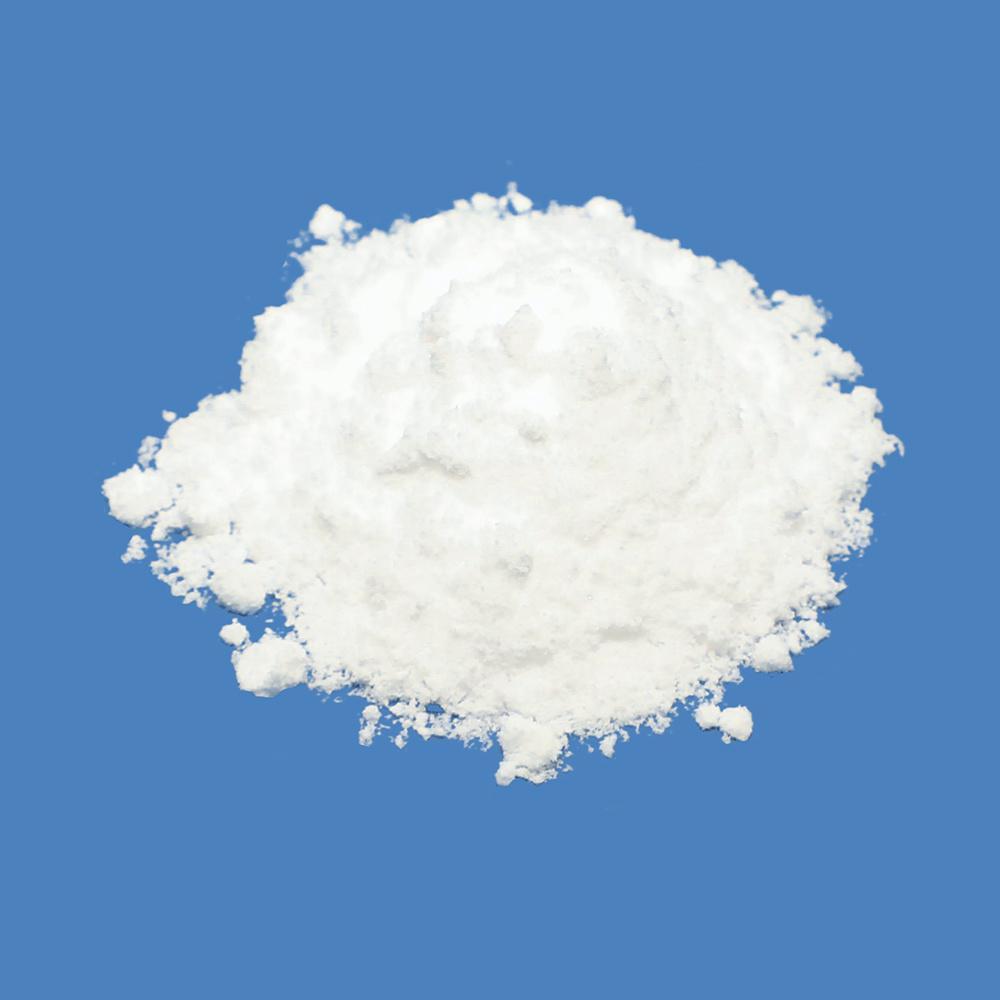
Dioctadecyl methylamine (N-methyl dioctadecylamine, distearyl methyl tertiary amine, CAS 4088-22-6, C37H77N, molecular weight 536.02) is a long-chain tertiary amine used almost entirely as a precursor to distearyl dimethyl ammonium compounds. Supplied as a pale waxy solid or flake dominated by C18 chains with meaningful C16 content, it carries two stearyl chains and one methyl group, so a single quaternisation step converts it to a cationic surfactant with the substantivity to fibres, hair and mineral surfaces that fabric softeners, conditioners and organoclays depend on. It is an industrial intermediate.
Two route classes supply it. In the nitrile route, fatty acid is converted to stearonitrile with ammonia over a metal oxide catalyst, hydrogenated to the secondary amine with ammonia suppressed, and methylated by reductive methylation with formaldehyde or by the Eschweiler-Clarke reaction. In the alcohol route, stearyl alcohol reacts with methylamine over a copper or nickel catalyst. Feedstock is hydrogenated tallow or palm-derived stearyl alcohol, and that choice determines the chain distribution and the regulatory dossier.
Buyers specify tertiary amine assay and total amine value, residual secondary and primary amine, chain distribution, iodine value and colour stability, and require a documented nitrosamine assessment for the amine stream. The nitrosamine boundary must be stated plainly: whether nitrosamines form depends entirely on the downstream process. Control and testing of nitrosamines in the finished article rests with the manufacturer placing it on the market, which must validate that its process creates no nitrosating conditions; none are described here.
II. Product Deep Dive: Molecular Mechanisms and Production Evolution
2.1 Physicochemical Properties and Mechanisms
The nitrogen carries three substituents and no hydrogen, so the molecule is basic and nucleophilic but cannot donate a proton. Its reactivity is narrow and commercially precise: it alkylates once to a quaternary ammonium salt, oxidises to an amine oxide, forms salts with acids, and catalyses epoxy homopolymerisation and anhydride cure. Two C18 chains give the derived cation strong hydrophobicity and substantivity.
- Tertiary Amine Assay and Amine Value: Total amine value, in milligrams of potassium hydroxide per gram, is fixed by molecular weight and is therefore a purity indicator rather than a variable, so the meaningful specification is the tertiary amine assay and the residual secondary and primary amine. Secondary amine matters both because it changes quaternisation stoichiometry and because it is the species of interest in nitrosamine assessment.
- Chain Distribution, Iodine Value and Colour: Hydrogenated tallow and palm-derived stearyl cuts differ in C16 to C18 ratio and in residual unsaturation. Iodine value and titre describe that difference: a low iodine value indicates hardened material with better colour stability, while higher unsaturation lowers melting point and raises oxidation risk. Colour darkening is the most common cause of rejection, tracing back to air exposure and thermal history.
2.2 Synthesis and Manufacturing Technologies
Producers choose between building the secondary amine first and methylating it, or installing the methyl group during a single amination of stearyl alcohol. The first route is the classic oleochemical sequence and is flexible about feedstock; the second is shorter where the site already makes fatty alcohols.
- Nitrile Hydrogenation Followed by Methylation: Fatty acid is converted to nitrile with ammonia over a metal oxide catalyst, and the nitrile is hydrogenated over nickel or cobalt with ammonia suppressed so the intermediate imine condenses to the secondary amine. Methylation then proceeds by reductive methylation with formaldehyde and hydrogen, or by the Eschweiler-Clarke reaction with formaldehyde and formic acid. Control of residual secondary amine is the critical finishing task.
- Direct Amination of Stearyl Alcohol and Finishing: Stearyl alcohol reacts with methylamine over a copper or nickel catalyst at elevated temperature and pressure, with water of reaction removed to drive conversion to the tertiary amine. Finishing in both routes includes filtration, short-path distillation or topping for colour and odour, hydrogenation where a low iodine value is required, and flaking or pastilling under nitrogen to lock in colour and limit oxidation during storage.
2.3 Core Application Matrix
- Distearyl Quaternary Ammonium Compounds: Quaternisation with methyl chloride gives distearyl dimethyl ammonium chloride, historically supplied from hydrogenated tallow as dihydrogenated tallow dimethyl ammonium chloride. These actives give fabric softening and antistatic performance, condition hair through substantivity to keratin, and convert bentonite and hectorite into organoclays for drilling fluids, paints and greases.
- Epoxy, Coating and Composite Additives: As a tertiary amine it catalyses epoxy homopolymerisation and accelerates anhydride and latent curing systems, and it is used in powder coating and composite formulations where a hydrophobic catalyst with low volatility is needed. Chain length controls compatibility and bloom behaviour in the cured film.
- Lubricant and Fuel Additive Components: The amine and its salts serve as friction modifiers, corrosion inhibitors and anti-wear components in lubricant and fuel packages, and as intermediates to amine oxides and betaines. In these uses the amine functions as a surface-active film former, so chain saturation and colour stability determine both performance and shelf life.
III. Global Market Supply-Demand Landscape and Export Trends
3.1 Demand Drivers and Market Shifts
Demand has been reshaped by regulation. In Western Europe the phase-out of dihydrogenated tallow dimethyl ammonium chloride, on grounds of poor biodegradability and aquatic toxicity, removed the largest historical outlet and remains the reference case study for how a cationic active can lose a market. Elsewhere, growth comes from fabric care in emerging markets, hair conditioning, organoclays and lubricant additives, and from a shift to vegetable-derived stearyl chains.
3.2 Capacity Distribution and Export Flows
Capacity follows stearyl feedstock. Southeast Asian oleochemical complexes hydrogenate palm-derived feedstock to stearyl alcohol and convert it to amine and quaternary on one site, with advantages in feedstock, hydrogen and heated bulk logistics. Chinese producers operate large fatty amine and quaternisation capacity for domestic detergent, textile and organoclay markets and export customers. The United States and Europe retain capacity oriented to specialties and personal care, importing intermediate where feedstock economics favour it.
3.3 Market Bifurcation and Pricing Dynamics
Pricing passes through tallow and palm-derived stearyl alcohol, so producers quote on index-linked terms and buyers hedge feedstock. The market splits three ways: commodity organoclay and lubricant grade competes on amine value and iodine value; personal-care quaternisation grade demands low colour, low secondary amine and full documentation; and tallow-derived material trades at a discount but carries an animal by-product documentation burden many customers will not accept.
IV. In-depth Analysis of Global Compliance and Regulatory Barriers
Compliance has two axes. The first is the chemical regime applying to the amine and the quaternary compounds made from it. The second is the feedstock regime, because tallow-derived material is subject to animal by-product rules and palm-derived material to deforestation due diligence. Buyers must know which feedstock their supplier uses, since the answer changes the dossier.
4.1 European Market: REACH, CLP, and Sector-Specific Directives
- REACH, CLP and the Distearyl Quat Case Study: The amine is registered under Regulation (EC) No 1907/2006, and buyers should obtain the registration number and confirm that the identity covers the delivered chain cut. Under Regulation (EC) No 1272/2008 the profile reflects skin and eye irritation or corrosivity and high aquatic hazard. The lesson buyers should carry forward is the fate of dihydrogenated tallow dimethyl ammonium chloride: an active class withdrawn from European fabric softeners on environmental grounds and replaced by esterquats.
- Detergent Regulation, Biodegradability and Animal By-Products: Derived cationic surfactants must satisfy the biodegradability requirements of Regulation (EC) No 648/2004, supported by OECD 301 or equivalent data. Where stearyl chains are tallow-derived, Regulations (EC) No 1069/2009 and (EU) No 142/2011 apply to the animal by-product stream, requiring approved establishments, documented processing and traceability for technical use; many brand owners exclude tallow-derived material to avoid that burden.
4.2 North American Market: TSCA, EPA, and FDA Regulations
- TSCA Inventory Status and Reporting: The substance is listed on the TSCA inventory, so importers rely on the listing rather than a premanufacture notice, but Chemical Data Reporting applies at statutory thresholds, any significant new use rule must be screened, and importers must retain certification at entry. Buyers should confirm substance identity where the grade is a hydrogenated tallow cut rather than pure C18.
- GHS, Workplace Controls and Product Stewardship: Hazard communication under the Occupational Safety and Health Administration standard and the Globally Harmonized System governs labelling and corrosive or irritant handling controls. Quaternary ammonium compounds derived from the amine and sold as antimicrobial pesticides require registration under the Federal Insecticide, Fungicide, and Rodenticide Act, and that responsibility sits with the registrant rather than with the amine producer.
4.3 The Critical Hurdle: Quality Control and Safety Limits
Compliance Warning: Three limits govern acceptance. The first is the tertiary amine assay with declared maximum secondary and primary amine, because residual secondary amine changes quaternisation stoichiometry and is the species relevant to nitrosamine assessment. On that subject the boundary must be explicit: whether nitrosamines can form depends entirely on the downstream process and matrix. Control and testing of nitrosamines in the finished article is the responsibility of the manufacturer placing it on the market, which must validate that no nitrosating conditions arise in its process and verify the finished product by a validated method; none are described here. The second limit is colour and peroxide-related degradation, which is why deliveries must arrive under nitrogen blanketing with a recorded thermal history. The third is feedstock identity: buyers must know whether the stearyl chains are tallow-derived, which brings animal by-product documentation, or vegetable-derived, which brings deforestation due diligence, and must hold the evidence.
V. Green Trade Barriers and ESG in Manufacturing
The environmental profile of this amine is judged through its derived quaternary compounds, because that is where environmental exposure happens. A persistent, aquatic-toxic cationic active will lose its market regardless of how well the intermediate is made.
5.1 Carbon Footprint and Circular Economy
Cradle-to-gate emissions are dominated by the feedstock and by hydrogenation and methylation energy. Vegetable-derived chains carry agricultural emissions and, for palm, methane from mill effluent, while tallow-derived chains are a meat-processing co-product whose burden depends on the allocation rule. Buyers should request cradle-to-gate figures with the allocation rule stated, plus ISO 14001 evidence, and ask whether the hydrogenation hydrogen is grey, blue or green.
5.2 Sustainable Sourcing and Traceability
Traceability is a legal requirement. Palm-derived stearyl chains fall within Regulation (EU) 2023/1115, so suppliers must provide geolocation and a legality statement, and Roundtable on Sustainable Palm Oil certification is accepted only with a stated supply chain model, since mass balance credits do not deliver physical traceability. Tallow-derived material requires documentation under Regulations (EC) No 1069/2009 and (EU) No 142/2011 covering the animal by-product category, the approved establishment and the processing route. Halal and kosher certification should be requested where required.
VI. Supply Chain Resilience and Export Logistics
Logistics are governed by physical form and oxidation. The product melts above ambient temperature, so it moves molten under temperature control or as flake and pastille, and the enemies are oxygen, heat history and contamination. Buyers should require colour on discharge as an acceptance criterion rather than relying on the certificate alone.
6.1 Packaging Standards and Moisture/Contamination Control
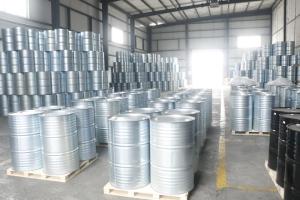
- Molten Bulk Versus Flake, Pastille and Drum: Bulk volumes move in heated, insulated road tankers and ISO-tank containers with temperature logging and a defined maximum bulk temperature, while smaller volumes ship as flake or pastille in lined bags or as solid in drums. Flake and pastille suit customers who melt on demand and want to avoid repeated thermal cycling, the main driver of colour build-up.
- Nitrogen Blanketing and Materials Compatibility: Storage and transit should be under a dry nitrogen pad, with stainless steel or lined carbon steel as materials of construction and with copper and brass avoided because they catalyse amine degradation and discolouration. Tanks and containers must be dedicated or covered by documented cleaning validation, since carry-over from previous cargo is a frequent cause of off-specification colour.
6.2 Dangerous Goods Identification and Transit Protocols
Classification follows the irritant or corrosive and aquatic hazard profile. Solid consignments are typically carried under the solid amine corrosive entry and molten consignments under the liquid amine corrosive entry, both in Class 8, and material meeting aquatic chronic criteria additionally attracts marine pollutant status for sea carriage under the International Maritime Dangerous Goods Code. Under the European ADR and RID agreements the shipment requires UN-specification packaging, corrosive labelling and segregation from acids and oxidisers. The decisive controls are thermal and atmospheric: agreed heating medium, temperature recording, nitrogen padding and discharge procedures avoiding localised overheating.
VII. Enterprise Global Expansion Strategy Guide
Suppliers compete on assay precision, colour control and feedstock documentation. Three moves matter most.
- Sell a Three-Tier Specification: Offer commodity technical grade, low-colour quaternisation grade with tight secondary amine limits, and a documented vegetable-derived grade, each with lot-specific certificates covering tertiary amine assay, amine value, iodine value, titre, colour and residual catalyst metals under ISO 17025 accredited methods.
- Make Feedstock Documentation Decisive: Provide either full palm traceability aligned to Regulation (EU) 2023/1115 with a stated Roundtable on Sustainable Palm Oil chain-of-custody model, or complete animal by-product documentation under Regulations (EC) No 1069/2009 and (EU) No 142/2011 for tallow-derived material, plus halal and kosher certification where required.
- Protect Colour Through the Chain: Invest in nitrogen blanketing, flaking under inert gas, dedicated heated containers and temperature logging, and publish maximum thermal history limits. Colour on arrival is the single most common commercial dispute in this product family.
VIII. Conclusion
Dioctadecyl methylamine is a mature intermediate whose fortunes are tied to the cationic surfactants made from it. Its chemistry is simple and well understood; what determines commercial success is the precision of the tertiary amine assay, the control of secondary amine, the stability of colour from the flaking belt to the customer reactor, and the credibility of the feedstock story behind the stearyl chains.
The regulatory lesson is equally clear. The withdrawal of dihydrogenated tallow dimethyl ammonium chloride from European fabric softeners showed that environmental performance of the finished active, not of the intermediate, decides market access. Suppliers holding biodegradability data for derived quats, nitrosamine risk assessments and traceable feedstock will retain multinational customers.
IX. Industry Resource Connection and Supplier Ecosystem
Powered by Guidechem
This white paper is exclusively compiled by the Guidechem Intelligence Team based on global customs data, regulatory databases, and industry research. Guidechem is a leading global B2B chemical platform, dedicated to connecting global buyers with verified, high-quality manufacturers.
Relying on Guidechem's extensive global database, we have mapped the core participants in the current global Dioctadecyl methylamine supply chain:
- Southeast Asian Stearyl Oleochemical Ecosystem: Indonesian and Malaysian complexes hydrogenate palm-derived feedstock to stearyl alcohol and convert it to fatty amine and quaternary on one site, with advantages in feedstock, hydrogen and heated bulk logistics. This region is the primary source of vegetable-derived stearyl chains and carries the associated palm traceability obligations.
- China Fatty Amine and Quaternary Ecosystem: Chinese producers operate large amination, methylation and quaternisation capacity serving domestic detergent, textile, organoclay and lubricant markets as well as export customers, and compete on scale and on the breadth of derivatives available from one site, including both vegetable-derived and tallow-derived grades.
- United States and European Specialty Ecosystem: United States and European producers focus on personal-care, lubricant and specialty grades, holding the REACH dossiers, biodegradability data, animal by-product documentation and certification schemes that brand owners require. They import intermediate where feedstock economics favour it and compete on documentation and technical service.
Disclaimer: The content of this white paper is compiled based on public market data and regulatory information available as of 2026. Global chemical regulations are subject to dynamic adjustments. In actual export operations, enterprises must consult professional regulatory advisors or relevant competent authorities to obtain the latest compliance guidance.



 EN
 Agricultural News
 Food News
 Industrial News
 Cosmetic News
 Pharmaceutical News
 Science News


 4YRS


