-
We detected your language preference as English. Would you like to switch to the English version for a better experience?
Switch to English
Stay here


2-Hydroxynicotinic acid (2-hydroxypyridine-3-carboxylic acid, CAS 609-71-2, C6H5NO3 at 139.11 grams per mole) is a heteroaromatic building block sitting at the intersection of pharmaceutical, agrochemical and materials chemistry. It is supplied as a building block for further manufacture, has no approved therapeutic indication of its own, and is not a finished active ingredient. What makes it commercially interesting is not tonnage but position: it delivers a pyridine ring, a carboxylate handle and a metal-binding motif in one compact molecule, which is why it appears repeatedly in medicinal chemistry programmes directed at metalloenzymes and in pyridine-carboxylate agrochemical scaffolds.
Everything practically important about this substance flows from one chemical fact: the molecule exists as a tautomeric system. The 2-hydroxypyridine and 2-pyridone forms interconvert, and in the solid state and in polar media the lactam-like pyridone form generally dominates. That behaviour determines its melting behaviour, solubility, spectroscopic response, chromatographic retention, salt formation chemistry, and above all its ability to chelate metal ions through the adjacent carbonyl and carboxylate functions. Buyers who specify the molecule without specifying how it will be assayed and handled against that behaviour tend to discover the problem during method validation rather than during sampling.
This white paper covers the tautomerism and its analytical consequences, the industrial route classes and the impurity families each one brings, the application matrix spanning drug discovery scaffolds and agrochemical intermediates, and then the regulatory, sustainability and logistics framework in which a low-volume, high-scrutiny intermediate actually moves. It is written for sourcing managers, regulatory officers and contract development and manufacturing partners.
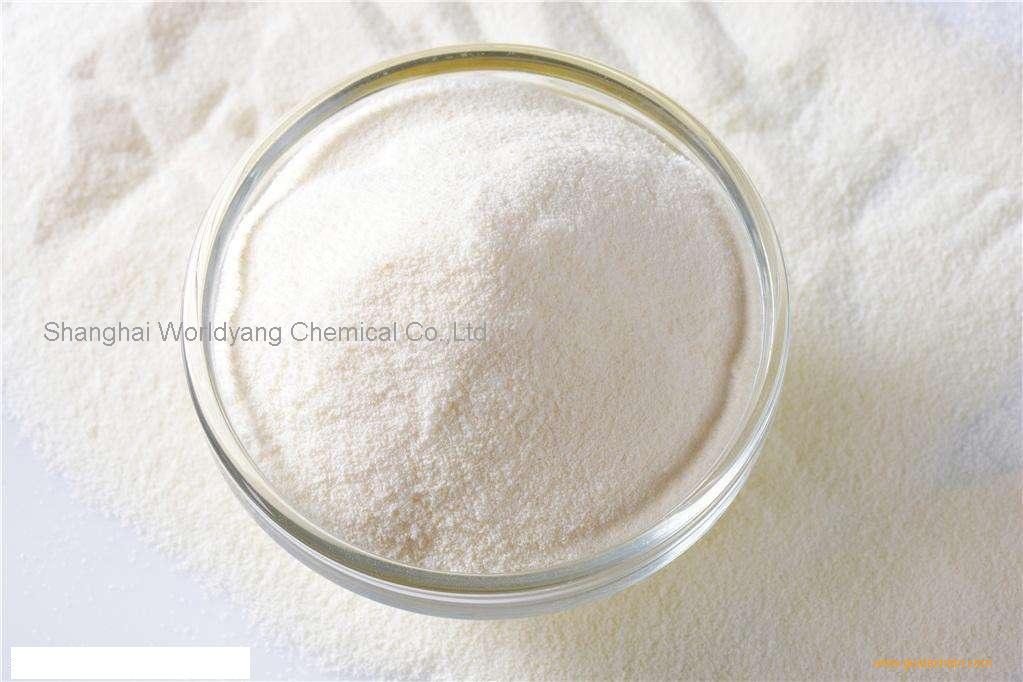
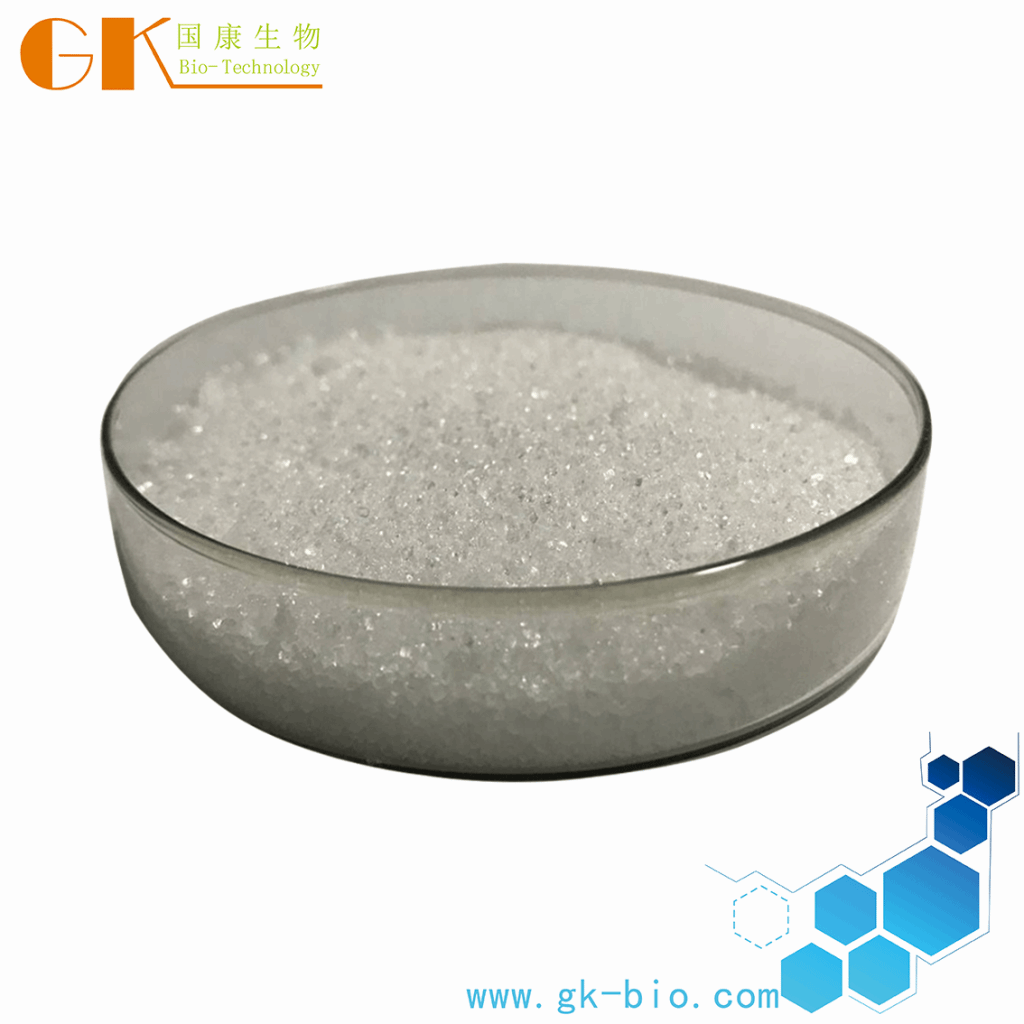
The commercial material is typically an off-white to pale beige crystalline powder with very limited solubility in water at neutral pH and good solubility in polar aprotic solvents once deprotonated, decomposing rather than melting cleanly at temperatures above roughly two hundred and fifty degrees Celsius. Apparent acidity reflects both the carboxylic acid and the pyridone nitrogen proton, so titration curves that ignore the second acidic site produce inconsistent assays. Solid-state form matters too, since strong intermolecular hydrogen bonding between pyridone units is the reason for the high lattice energy and the poor solubility profile.
Three route classes dominate. The first hydrolyses the corresponding 2-halonicotinic acid or 2-halonicotinonitrile under alkaline conditions, an established approach whose weakness is halide carry-over and the formation of isomeric hydroxynicotinic acids. The second carboxylates 2-hydroxypyridine directly with carbon dioxide under pressure in the presence of base, a Kolbe-Schmitt type transformation that avoids halogenated intermediates but imposes pressure equipment and selectivity concerns. The third proceeds through pyridine N-oxide rearrangement chemistry. Each choice leaves a different impurity signature, which is why route disclosure matters more to buyers than composition alone.
Demand is programme-driven and therefore volatile in the classic fine-chemical pattern. A discovery asset using the pyridone carboxylate motif can move from grams to hundreds of kilogrammes within about eighteen months, and can fall back just as suddenly. Structural support comes from sustained interest in metalloenzyme inhibition and in pyridine-based agrochemical scaffolds, while demand quality is rising: buyers increasingly ask for elemental impurity statements and isomers controlled individually rather than as total related substances.
China supplies the largest share of merchant material from multipurpose heterocyclic plants in Zhejiang, Jiangsu and Shandong, exporting both catalogue quantities and dedicated campaigns, normally declared under the tariff heading for heterocyclic compounds with nitrogen heteroatoms. India provides strong process research and custom campaign capacity through Hyderabad, Bengaluru and Gujarat organisations. Europe retains smaller, higher-specification producers and distributors, typically serving customers who want regional manufacture or who require European regulatory representation, while Japan and Korea act mainly as high-specification demand centres.
The price ladder is steep and reflects documentation more than making cost. Catalogue research-use-only lots carry the highest unit price for the smallest quantity. Campaign material for development programmes is quoted against a specification with validated methods, change control and, where requested, a starting-material justification package. Larger technical agrochemical volumes clear at much lower unit prices. Two variables explain most quotations: how tightly isomers and halides must be controlled, and whether the buyer requires cleaned dedicated equipment or accepts a multipurpose campaign with validated cleaning.
This is a low-volume specialist intermediate, so the compliance burden is distributed: the manufacturer or importer handles chemical inventory obligations, while the downstream customer carries the pharmaceutical or agrochemical registration. Suppliers earn repeat business by producing documentation that plugs cleanly into the customer's filing rather than by quoting fastest.
Volumes are small, but this material still arrives inside pharmaceutical and agrochemical supply chain sustainability programmes, where customers ask for quantified footprints, solvent strategy and verifiable sourcing rather than general policy statements.
Route choice drives the footprint more than any other lever. Direct carboxylation with carbon dioxide under pressure consumes utilities but valorises carbon dioxide and avoids halogenated intermediates, whereas halide hydrolysis routes depend on upstream halogenation and generate saline effluent requiring treatment. In either case most cradle-to-gate emissions sit in solvent use and isolation rather than in bond formation. Practical measures include solvent recovery by distillation, minimising the number of isolation steps, avoiding halogenated solvents where feasible, and requesting cradle-to-gate footprints calculated to ISO 14067 for customer scope three reporting.
Traceability expectations map closely onto the quality system: batch genealogy covering pyridine feedstock origin, solvent lots, equipment history and cleaning validation, backed by ISO 9001, 14001 and 45001 certification and by Together for Sustainability or equivalent audits. Customers also request declarations covering absence of intentionally added perfluoroalkyl substances, no conflict-financing exposure in the ownership chain and, increasingly, responsible sourcing of any metal reagents or catalysts used in the route, together with evidence that metal-bearing waste streams are recovered rather than discharged.
Logistically this is a forgiving molecule: it is a stable, non-volatile solid with no cold-chain requirement and no unusual reactivity in transit. The risks that do exist are contamination-driven rather than hazard-driven, and they are mostly created at the packaging and transfer interfaces rather than during the voyage itself.
Most consignments travel as non-regulated solids supported by a supplier transport statement, although notified irritant hazards can shift labelling requirements, so the classification should be confirmed per supplier and per revision rather than inherited. Standard good practice applies: sealed liners, desiccants for long humid legs, segregation from strong oxidisers and foodstuffs, and documentation including the certificate of analysis lot number matched to the drum markings. Air freight is unproblematic for small packs, and no temperature-controlled equipment is required for either road or sea movement.
Three moves determine who wins these programmes.
2-Hydroxynicotinic acid is a compact, information-dense building block whose commercial difficulty lies almost entirely in analysis rather than in synthesis. Its tautomeric behaviour and metal chelation geometry force specification choices that generic commodity practice does not anticipate, and those choices determine whether a lot is accepted, whether an elemental impurity assessment succeeds and whether a downstream filing proceeds without delay.
Looking toward 2026, demand will continue to follow discovery and agrochemical pipelines rather than macroeconomic cycles, and qualification depth rather than unit price will decide supplier selection. Both sides benefit from agreeing methods, route disclosure and change control at the outset. The Guidechem ecosystem mapped below identifies counterparties positioned to operate at that standard.
Powered by Guidechem
This white paper is exclusively compiled by the Guidechem Intelligence Team based on global customs data, regulatory databases, and industry research. Guidechem is a leading global B2B chemical platform, dedicated to connecting global buyers with verified, high-quality manufacturers.
Relying on Guidechem's extensive global database, we have mapped the core participants in the current global 2-Hydroxynicotinic acid supply chain:
Disclaimer: The content of this white paper is compiled based on public market data and regulatory information available as of 2026. Global chemical regulations are subject to dynamic adjustments. In actual export operations, enterprises must consult professional regulatory advisors or relevant competent authorities to obtain the latest compliance guidance.
|
 |
 |
 |
 EN
 Agricultural News
 Food News
 Industrial News
 Cosmetic News
 Pharmaceutical News
 Science News


 2YRS

