
I. Executive Summary
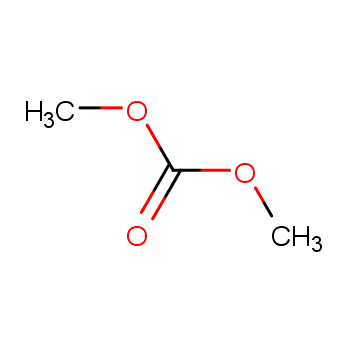
Dimethyl carbonate, CAS 616-38-6 and EC 210-478-4, is the simplest organic carbonate, a colourless liquid of 90.08 grams per mole boiling near 90 degrees Celsius, valued as a low-toxicity, biodegradable solvent and green methylating agent. Commercial supply comes from oxidative carbonylation of methanol and from transesterification of cyclic carbonates made with captured carbon dioxide. This paper reviews the 2026 position of dimethyl carbonate across battery electrolytes, polycarbonate, coatings and fine chemical synthesis.
The market is sharply bifurcated. Industrial grade around 99.5 percent serves solvent, polycarbonate and chemical synthesis demand, while battery electrolyte grade near 99.99 percent, with water, acidity and metal limits in the low parts per million, serves lithium-ion cell production. Qualification in 2026 turns on REACH and CLP alignment, TSCA status, EPA treatment as a negligibly reactive solvent, European battery supply-chain requirements and auditable Scope 1-3 emissions data.
The paper covers physical behaviour and reaction chemistry, the competing production routes and purification technology, demand and trade flows, the European and North American compliance perimeter, the ESG agenda around carbon dioxide utilisation and bio-methanol, and the logistics of shipping a UN1161 flammable liquid.
II. Product Deep Dive: Molecular Mechanisms and Production Evolution
2.1 Physicochemical Properties and Mechanisms
Dimethyl carbonate is a polar aprotic solvent of low viscosity and a wide liquid range, with limited but useful miscibility with water and complete miscibility with alcohols, esters and ketones. Its reactivity is dual: nucleophiles attack either a methyl carbon or the carbonyl carbon, giving methylation or methoxycarbonylation depending on temperature and catalyst. That combination of benign toxicology and tunable reactivity explains its replacement of halogenated solvents and classical methylating agents.
- Solvation Behaviour and Electrolyte Function: In lithium-ion electrolytes, dimethyl carbonate lowers viscosity and improves low-temperature performance when blended with high-dielectric cyclic carbonates. Its oxidative stability at cathode potentials and its role in forming a stable solid electrolyte interphase make it a standard co-solvent. Because the salt hydrolyses to hydrogen fluoride, water and acidity are the controlling specifications rather than assay.
- Methylation and Methoxycarbonylation Selectivity: At moderate temperatures and with weak base, nucleophiles attack the methyl group, giving methylated products with methanol and carbon dioxide as by-products, which replaces dimethyl sulfate and methyl halides. At higher temperature or with suitable catalysts, attack shifts to the carbonyl carbon, giving methoxycarbonylation and carbamates. Catalyst choice, including alkali carbonates, zeolites and ionic liquids, sets the selectivity.
2.2 Synthesis and Manufacturing Technologies
Two routes dominate merchant supply. Oxidative carbonylation reacts methanol, carbon monoxide and oxygen over a copper chloride slurry catalyst or, in the gas-phase variant, over palladium with methyl nitrite as oxidant. The alternative adds carbon dioxide to ethylene or propylene oxide to make a cyclic carbonate, then transesterifies it with methanol, co-producing monoethylene glycol or propylene glycol. Urea methanolysis and direct synthesis from methanol and carbon dioxide remain at earlier stages.
- Oxidative Carbonylation and Catalyst Management: The liquid-phase process runs a copper chloride slurry that demands corrosion-resistant construction and careful chloride control, while the gas-phase methyl nitrite route avoids chlorides but introduces nitrogen oxide chemistry and a flammable nitrite intermediate. Both require methanol and carbon monoxide of consistent quality and continuous water removal. Catalyst life, selectivity to carbonate and safe oxygen handling define the economics of this route.
- Carbon Dioxide Route, Reactive Distillation and Purification: The cyclic carbonate route fixes roughly half a tonne of carbon dioxide per tonne of product stoichiometrically, and uses reactive distillation with excess methanol to drive conversion past the azeotrope. All routes then require pressure-swing or extractive distillation to break the methanol-dimethyl carbonate azeotrope, followed by molecular-sieve drying and polishing to reach battery grade with water below 20 parts per million and metals below one part per million.
2.3 Core Application Matrix
- Lithium-Ion Battery Electrolyte Solvent: Battery grade dimethyl carbonate is blended with ethylene carbonate and linear carbonates to form the electrolyte solvent of electric vehicle, consumer electronics and stationary storage cells. Typical specifications call for purity above 99.99 percent, water below 10 to 20 parts per million, acidity expressed as hydrogen fluoride at low parts per million, and individual metals below one part per million.
- Polycarbonate and Non-Phosgene Chemical Intermediates: Reaction with phenol gives diphenyl carbonate, the feedstock for melt-phase polycarbonate produced without phosgene, and reaction with amines gives carbamates that can be cracked to isocyanates. These outlets consume large volumes and link dimethyl carbonate demand to construction, automotive glazing and polyurethane markets. Consistency and price, rather than ultra-trace purity, decide supply here.
- Green Solvent, Fine Chemicals and Fuel Applications: Industrial grade replaces methyl ethyl ketone, toluene, dichloromethane and dimethylformamide in coatings, inks, adhesives and cleaners, and serves as a methylating and methoxycarbonylating reagent in pharmaceutical and agrochemical synthesis. Its high octane number and oxygen content also make it a candidate fuel oxygenate. Low toxicity and ready biodegradability are the arguments used to displace incumbent solvents.
III. Global Market Supply-Demand Landscape and Export Trends
3.1 Demand Drivers and Market Shifts
Battery demand is the dominant growth driver, with electric vehicle and stationary storage build-out pulling capacity decisions toward battery-grade purification. Polycarbonate and solvent outlets grow more slowly, but restrictions on reprotoxic and halogenated solvents in Europe accelerate substitution. The counterweight is overcapacity: Chinese additions have periodically pushed industrial grade below the cash cost of higher-cost regions, and substitution between linear carbonates caps any single grade's premium.
3.2 Capacity Distribution and Export Flows
Capacity is concentrated in Asia, particularly China, where coal-based carbon monoxide and large methanol assets support both routes, with additional plants in Japan, Korea, Europe, the Middle East and North America. Purification and blending increasingly sit close to electrolyte plants rather than close to methanol, so integrated carbonate complexes producing several linear carbonates in one train are becoming the norm. Trade flows run from Asia into Europe and North America, while battery localisation policies stimulate regional capacity.
3.3 Market Bifurcation and Pricing Dynamics
Industrial grade tracks methanol, carbon monoxide or epoxide costs, energy and freight, and is often sold on spot or short-term formula terms. Battery grade is contracted annually with a visible premium that reflects additional distillation, drying, metal control, analytical cost and the qualification burden of cell makers. The spread between grades widens when cell demand tightens and compresses when industrial oversupply spills into the battery chain.
IV. In-depth Analysis of Global Compliance and Regulatory Barriers
Dimethyl carbonate has a favourable toxicological profile, is not classified as carcinogenic, mutagenic or reprotoxic and is readily biodegradable, yet it is a high-production-volume flammable liquid with demanding downstream customers. The compliance burden therefore sits in hazard communication, transport, workplace flammable-liquid control and the product-specific requirements of battery and pharmaceutical customers.
4.1 European Market: REACH, CLP, and Sector-Specific Directives
- REACH, CLP, ATEX and Solvent Emission Rules: Dimethyl carbonate is registered under REACH at high tonnage, is not on the SVHC Candidate List and carries no authorisation or substance-specific restriction. Its harmonised CLP classification as a Category 2 flammable liquid drives GHS labelling, packaging group and downstream risk assessment, while large inventories fall within Seveso III flammable-liquid thresholds. Handling requires ATEX zoning and earthing, and coating or printing installations operate under Industrial Emissions Directive solvent-emission limits.
- Battery Regulation, Product Stewardship and Sector Rules: Supply into electric vehicle cells is increasingly governed by Regulation (EU) 2023/1542 on batteries, which requires carbon footprint declarations, a battery passport and supply-chain due diligence, and buyers cascade those data requests to solvent suppliers. Pharmaceutical users apply ICH Q3C principles and internal limits when dimethyl carbonate replaces a listed process solvent.
4.2 North American Market: TSCA, EPA, and FDA Regulations
- TSCA, EPA Volatile Organic Compound Status and Safety: Dimethyl carbonate is active on the TSCA Inventory and subject to periodic Chemical Data Reporting. EPA has treated it as negligibly reactive in ground-level ozone formation, so it is exempt from the regulatory definition of a volatile organic compound in many state implementation plans, which materially improves its position in coatings. Storage and handling still follow OSHA 29 CFR 1910.106 and NFPA 30, with grounding, bonding and closed transfer.
- Battery, Pharmaceutical and Customer-Specific Requirements: Cell makers and electrolyte blenders impose their own specifications, typically aligned with automotive quality management expectations and cell qualification testing under recognised IEC and United Nations transport test regimes, plus long change-control notification periods. Pharmaceutical and agrochemical users require residual solvent statements and metal screening, and food-contact claims need the applicable 21 CFR listing or an effective notification.
4.3 The Critical Hurdle: Quality Control and Safety Limits
Compliance Warning: For battery grade, water and acidity are the specifications that reject shipments. Water above roughly 20 parts per million hydrolyses lithium hexafluorophosphate to hydrogen fluoride and destroys cycle life, so drying, nitrogen padding and dedicated equipment are non-negotiable. Residual methanol and chloride from oxidative carbonylation are equally damaging. Buyers should require Karl Fischer water, acidity as hydrogen fluoride, chloride, ICP-MS metals and GC assay on every lot, delivered in dried, dedicated tanks or lined drums.
V. Green Trade Barriers and ESG in Manufacturing
Dimethyl carbonate is marketed on its environmental credentials: low toxicity, ready biodegradability and, in one route, stoichiometric carbon dioxide fixation. Emissions depend heavily on the route, the origin of methanol and carbon monoxide, and the energy used for distillation, and battery customers compiling Scope 3 inventories now request cradle-to-gate data.
5.1 Carbon Footprint and Circular Economy
The carbon dioxide route fixes about half a tonne of carbon dioxide per tonne of product, but the net benefit depends on whether the epoxide and methanol are fossil derived and on the electricity used. Bio-methanol and bio-based ethylene oxide allocated under certified mass balance with an ISCC PLUS declaration reduce cradle-to-gate greenhouse-gas intensity further. Heat integration and mechanical vapour recompression cut Scope 1 and Scope 2 emissions, and electric vehicle use provides the downstream argument.
5.2 Sustainable Sourcing and Traceability
Traceability requests cover the manufacturing site, the REACH registration number, the origin of methanol and carbon monoxide, whether the carbon dioxide is captured or merchant, and the mass-balance certificate for bio-attributed volumes. ISO 9001 and ISO 14001 evidence quality and environmental management, and automotive customers expect disciplined change control and audit access. Suppliers should report Scope 1-3 emissions under GHG Protocol categories and provide the data fields battery passports require.
VI. Supply Chain Resilience and Export Logistics
Dimethyl carbonate is a volatile, highly flammable liquid with a flash point near 17 degrees Celsius, and for battery service it must arrive dry. Logistics failures therefore combine safety exposure with specification loss: vapour emissions, water ingress during transfer and methanol pick-up from shared equipment. The protocol has to address flammability and dryness together.
6.1 Packaging Standards and Moisture/Contamination Control
- UN-Approved Packaging and Material Compatibility: Shipments move in UN-approved steel drums of about 200 kilograms, composite IBCs rated for packing group II, road tankers and ISO tank containers of 20 to 22 tonnes. Stainless steel and lined carbon steel with fluoropolymer gaskets are standard, while several common elastomers and plastics swell or extract and should be avoided. Battery grade requires dedicated equipment with documented previous-cargo history and cleaning records.
- Water Exclusion, Grade Segregation and Documentation: Battery-grade storage uses dry nitrogen padding, molecular-sieve breathers and dedicated tanks whose water specification is verified before loading, with sampling under dry nitrogen to avoid ambient moisture. Industrial and battery material should not share transfer lines without validated cleaning. Every lot needs a certificate of analysis covering assay, water, acidity, chloride, metals and colour, with retention samples held for the stated shelf life.
6.2 Dangerous Goods Identification and Transit Protocols
Dimethyl carbonate ships as UN1161, Class 3, packing group II under ADR, IMDG and IATA, requiring UN-approved packaging, flammable-liquid markings, a dangerous goods declaration and a destination-language safety data sheet. Transfers require bonding and grounding, ATEX-rated equipment and alcohol-resistant foam, since the product is appreciably water soluble. Documentation covers commercial invoice, packing list, certificate of origin and HS classification under heading 2920 for esters of inorganic acids of non-metals.
VII. Enterprise Global Expansion Strategy Guide
Exporters selling dimethyl carbonate on spot price alone are exposed to Chinese overcapacity and to methanol cycles. The durable strategy is to qualify into the battery chain with data, to differentiate on route and sustainability, and to locate capacity near cell manufacturing. Three moves have proved most effective in 2026.
- Qualify into the Battery Chain with Data: Provide cradle-to-gate carbon footprint, full certificates of analysis with water, acidity, chloride and metal results, disciplined change control with long notification periods and open audit access. Support customers with the data fields their battery passport and due-diligence reporting require. Offer dual-site qualification and long-term offtake with electrolyte blenders rather than transactional spot sales.
- Differentiate on Route and Green Chemistry: Promote carbon dioxide-based and bio-attributed routes with mass-balance certification and documented carbon dioxide uptake, and offer solvent recovery services to coatings and pharmaceutical customers. Position the product explicitly against dichloromethane, dimethylformamide, N-methylpyrrolidone and dimethyl sulfate, where regulation and customer restricted-substance lists are driving substitution.
- Regionalise Capacity Near Cell Manufacturing: Build or reserve purification and terminal capacity close to battery manufacturing clusters in Europe and North America, where local-content rules and supply-security concerns reward regional presence. Hedge methanol and carbon monoxide exposure, keep safety stock sized to plant turnarounds, and contract battery grade annually with formula mechanisms that share raw material risk.
VIII. Conclusion
Dimethyl carbonate will remain one of the few genuinely green industrial solvents with large-scale growth in 2026, because battery electrolytes and solvent substitution pull in the same direction. Its future is shaped less by chemistry than by purity discipline, transport safety and carbon accounting. Suppliers that master these convert a commodity carbonate into a qualified position.
For buyers the implication is to qualify deliberately rather than opportunistically. Separate industrial from battery requirements, write water, acidity, chloride and metal limits into the purchase specification, and audit drying, transfer and tank-cleaning operations rather than only certificates of analysis. Dual-source across regions to absorb methanol, carbon monoxide and plant outage risk.
IX. Industry Resource Connection and Supplier Ecosystem
Powered by Guidechem
This white paper is exclusively compiled by the Guidechem Intelligence Team based on global customs data, regulatory databases, and industry research. Guidechem is a leading global B2B chemical platform, dedicated to connecting global buyers with verified, high-quality manufacturers.
Relying on Guidechem's extensive global database, we have mapped the core participants in the current global Dimethyl carbonate supply chain:
- North America: The North American tier combines large methanol and carbon monoxide assets with growing battery-driven demand and a policy push toward regional supply chains. Buyers gain shorter lead times, mature ISO tank and rail logistics and strong process safety practice, and increasingly local electrolyte qualification.
- Europe: European supply operates under the strictest chemical and battery regulation in the world, with strong expectations for carbon footprint declarations, due diligence and sustainability documentation under ISO 9001 and ISO 14001. The region leads in high-purity grades and in carbon dioxide-based development, and benefits from proximity to new cell plants. Higher energy and carbon costs push producers to compete on purity, documentation and reliability.
- Asia-Pacific and China: The Asia-Pacific tier holds the largest and most cost-competitive capacity, with Chinese plants running both oxidative carbonylation and carbon dioxide routes and hosting much of the world's electrolyte blending. Japan and Korea set demanding purity standards and qualification cycles. Buyers should verify water and metal control, batch consistency, change-control discipline and the completeness of REACH and TSCA documentation.
Disclaimer: The content of this white paper is compiled based on public market data and regulatory information available as of 2026. Global chemical regulations are subject to dynamic adjustments. In actual export operations, enterprises must consult professional regulatory advisors or relevant competent authorities to obtain the latest compliance guidance.


 EN
EN
 Agricultural News
 Food News
 Industrial News
 Cosmetic News
 Pharmaceutical News
 Science News

 1YR
1YR


