
I. Executive Summary
Amines, bis(hydrogenated tallow alkyl) - CAS 61789-79-5, known commercially as di(hydrogenated tallow)amine or DHTA - is a hydrophobic secondary fatty amine built from two hydrogenated tallow-derived alkyl chains, predominantly in the C16-C18 range. It is an oleochemical intermediate rather than a consumer ingredient, and its commercial gravity lies downstream: quaternisation to cationic surfactants for fabric softeners and organoclays, mineral flotation collectors, bitumen and asphalt emulsion additives, corrosion inhibitors and lubricant and fuel additive packages.
Specification discipline is what separates a usable intermediate from a problem drum. Buyers control alkyl-chain distribution and the C16/C18 ratio, iodine value as the measure of residual unsaturation after hydrogenation, titre or solidification point as the practical melting and handling parameter, total amine value together with the secondary-to-primary amine ratio, water content, colour and residual nitrile or ammonia. Because the molecule is a secondary amine, a documented nitrosamine risk assessment - confirming that no nitrosating conditions are present in the customer's formulation and process - is now a standard part of the technical dossier.
The regulatory perimeter is unusually broad for one intermediate. REACH registration as a UVCB substance and CLP classification with aquatic hazard drive European compliance; TSCA and GHS hazard communication govern the United States; sector overlays include the EU Detergent Regulation (EC) No 648/2004 and OECD 301 ready-biodegradability testing for surfactant derivatives, the EU Animal By-Products Regulations (EC) No 1069/2009 and (EU) No 142/2011 for tallow-derived technical grades, RSPO certification and EU Regulation (EU) 2023/1115 deforestation due diligence for the palm-linked fraction of the feedstock, plus halal and kosher certification where downstream customers require it.
II. Product Deep Dive: Molecular Mechanisms and Production Evolution
2.1 Physicochemical Properties and Mechanisms
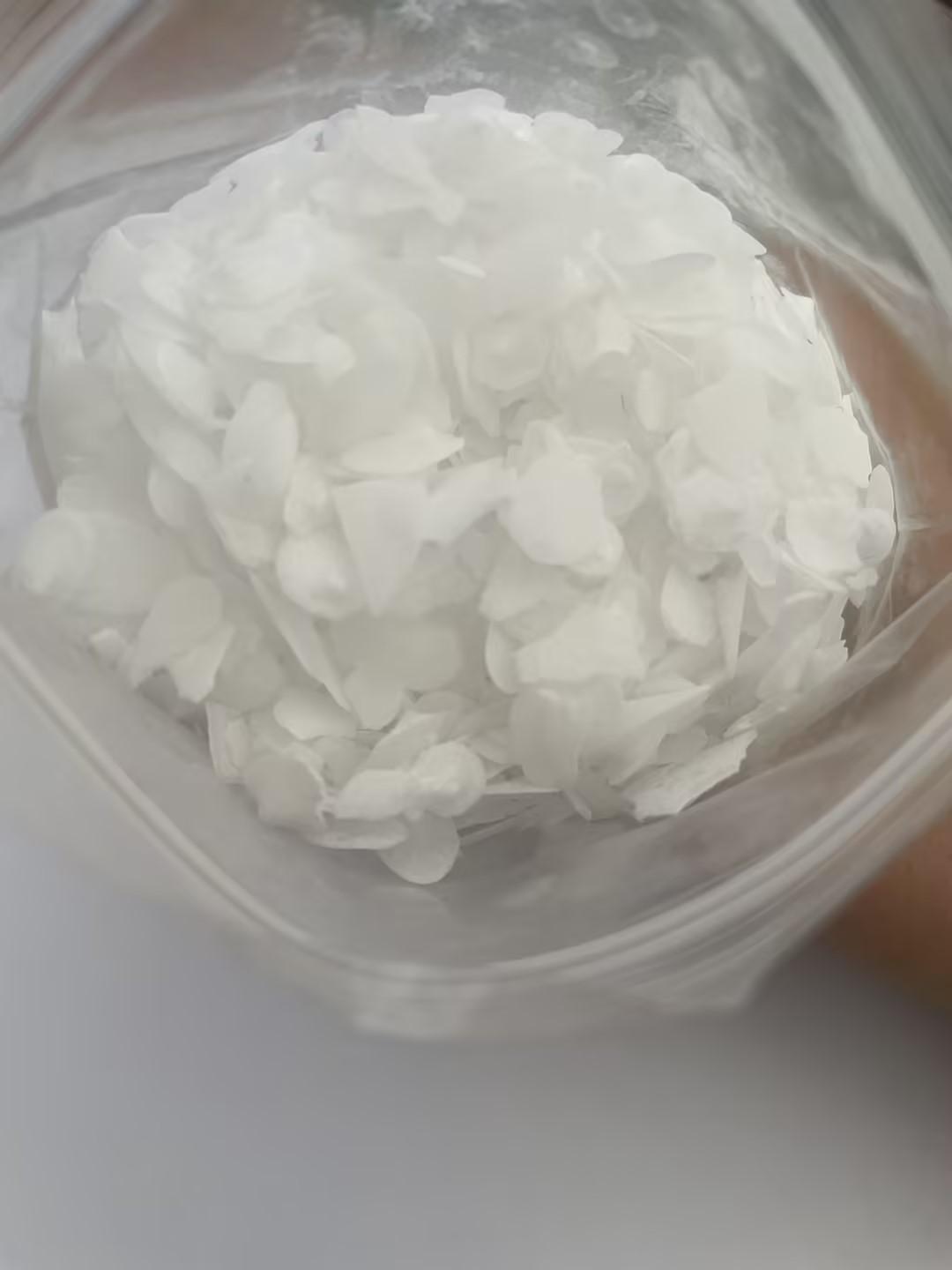
The molecule is a dialkyl secondary amine, R2NH, in which each R is a hydrogenated tallow alkyl chain averaging roughly sixteen to eighteen carbons; average relative molecular mass is therefore in the region of 500 daltons, and typical total amine values fall in the low hundreds of milligrams of potassium hydroxide per gram. It is a waxy solid at ambient temperature, has a titre or solidification point in the 45-60 °C band depending on chain distribution, is insoluble in water but soluble in hydrocarbons and chlorinated solvents, and is weakly basic, forming stable amine salts with acids and cationic surfactants on quaternisation.
- Dialkyl hydrophobicity and cationic conversion: two long saturated chains give strong oleophilicity and low water solubility, which is exactly what makes the derived quaternary ammonium compounds effective fabric softeners and organoclay modifiers. The secondary nitrogen remains reactive, so the material is a deliberate intermediate: methylated or ethoxylated derivatives, amine salts and betaine-type structures are all built from it, and the secondary-to-primary amine ratio in the feed directly controls conversion selectivity and by-product load in the quaternisation step.
- Hydrogenation state, iodine value and stability: hydrogenation removes olefinic unsaturation, driving iodine value down to a low single-digit or sub-unit level. Low iodine value correlates with better oxidative and colour stability, lower odour development and higher titre, all of which matter in molten bulk handling and in light-coloured downstream formulations. Chain distribution controls the balance between softening performance and low-temperature handling: more C16 lowers the melting range and improves cold-flow, more C18 raises softening efficiency and titre.
2.2 Synthesis and Manufacturing Technologies
Industrial fatty amine chemistry proceeds through nitrile or alcohol intermediates, and the selectivity between primary, secondary and tertiary amine is governed principally by catalyst choice and by the ammonia and hydrogen partial pressures maintained in the reactor. Distillation and hydrogenation polish then set the final chain distribution and iodine value.
- Nitrile hydrogenation route: tallow fatty acids react with ammonia at elevated temperature over a dehydrating catalyst to give fatty nitriles, which are hydrogenated over nickel or cobalt catalyst to primary fatty amine. Controlled catalytic deammoniation and condensation, with continuous removal of ammonia, then converts primary amine to the secondary dialkyl amine; final hydrogenation and fractionation set iodine value, chain distribution and the primary, secondary and tertiary amine balance.
- Alcohol ammonolysis and process control: alternatively, fatty alcohols from the oleochemical complex are catalytically aminated with ammonia over a hydrogenation-dehydrogenation catalyst to primary amine, which is then converted to the secondary amine under controlled ammonia removal. Acid value, nitrile or alcohol residue, catalyst metal carry-over and colour are controlled by hydrogenation polishing and filtration, and the finished amine is flaked, pastilled or held molten under nitrogen for bulk loading.
2.3 Core Application Matrix
- Quaternary ammonium compounds and organoclays: converted to dialkyl dimethyl ammonium and related cationic surfactants used in rinse-cycle fabric softeners, and to organophilic bentonite clays used as rheology modifiers in drilling fluids, paints, greases and nanocomposite polymers.
- Mining and infrastructure chemicals: used as or converted into mineral flotation collectors for non-sulphide ores, and used as an anti-stripping agent and cationic asphalt emulsifier in road bitumen systems, where amine value and chain distribution determine adhesion performance and emulsion set behaviour.
- Corrosion inhibition and lubricant additives: amine salts and derivatives function as film-forming corrosion inhibitors in metalworking fluids, pipeline and refinery protection, fuel and lubricant additive packages, and textile and agrochemical auxiliaries, where hydrophobicity and surface affinity are the functional properties being bought.
III. Global Market Supply-Demand Landscape and Export Trends
3.1 Demand Drivers and Market Shifts
Demand is tied to three downstream cycles. Fabric-softener consumption, particularly in emerging Asian and Latin American markets, drives cationic surfactant volume even as mature markets shift toward esterquats with superior ready-biodegradability. Infrastructure spending and asphalt modification drive anti-stripping and emulsifier demand. Mining activity and drilling-fluid consumption drive organoclay and flotation-collector demand. The structural headwind is the substitution of readily biodegradable esterquats for dialkyl quats in regulated detergent markets, which pushes DHTA producers toward non-detergent outlets.
3.2 Capacity Distribution and Export Flows
Capacity follows the oleochemical map. Southeast Asia, especially Malaysia and Indonesia, hosts integrated fatty-acid, fatty-alcohol and fatty-amine plants close to palm and palm-kernel feedstock and supplies both domestic derivative units and export markets. China has built large captive amine and quaternary ammonium capacity serving domestic detergent, textile and infrastructure demand and increasingly exports intermediates. North America retains tallow-linked capacity tied to the rendering industry, and Europe holds specialty amine and derivative plants serving high-specification customers with downstream formulation capability.
3.3 Market Bifurcation and Pricing Dynamics
Pricing tracks the tallow and palm complex almost mechanically, because feedstock dominates the cost structure and hydrogenation adds a comparatively stable energy and hydrogen charge. The market bifurcates into technical-grade material sold in bulk for captive derivatisation, and distilled, low-iodine-value, low-colour grades sold to customers who need predictable quaternisation selectivity and tight chain distribution. Because buyers qualify on amine value and chain distribution rather than on nominal purity, specification-consistent producers retain customers through feedstock price swings.
IV. In-depth Analysis of Global Compliance and Regulatory Barriers
This is a UVCB-type oleochemical substance with an aquatic hazard profile, so compliance is built from chemical-inventory registration, hazard classification and a set of sector overlays that depend on the customer's application. The dossier must follow the application, because a detergent customer and a bitumen customer are audited against different instruments.
4.1 European Market: REACH, CLP, and Sector-Specific Directives
- REACH and CLP: the substance must be registered under Regulation (EC) No 1907/2007 with a UVCB-appropriate substance identity and composition description, and classified and labelled under Regulation (EC) No 1272/2008. Fatty amine surfactants are typically classified with acute and chronic aquatic hazard and with skin irritation or corrosion endpoints, so exposure scenarios, extended safety data sheets for identified uses, and downstream-user communication are mandatory rather than optional.
- Sector overlays: surfactant derivatives fall within Regulation (EC) No 648/2004 on detergents, which imposes biodegradability requirements and documentation for surfactant content; tallow-derived technical grades engage the Animal By-Products framework of Regulation (EC) No 1069/2009 and Regulation (EU) No 142/2011 with defined handling, processing and traceability conditions; and palm-linked feedstock requires RSPO certification plus deforestation-free due diligence under Regulation (EU) 2023/1115.
4.2 North American Market: TSCA, EPA, and FDA Regulations
- TSCA and EPA obligations: import requires confirmed TSCA inventory listing for the UVCB substance, and manufacturers and importers above threshold volumes must meet Chemical Data Reporting obligations. Environmental release is managed through the general EPA framework and through state-level requirements, while workplace handling is governed by OSHA hazard communication with a GHS-aligned safety data sheet and labelling.
- Nitrosamine stewardship and product compliance: because the substance is a secondary amine, customers in consumer-product and industrial channels require a documented nitrosamine risk assessment - evidence that no nitrosating agents such as nitrite or nitrogen oxides are present in the formulation, and that raw materials and process conditions do not create nitrosation potential. This assessment, together with amine value and chain-distribution data, is now routinely requested at the qualification stage.
4.3 The Critical Hurdle: Quality Control and Safety Limits
Compliance Warning: five issues decide qualification for CAS 61789-79-5. First, chain distribution and iodine value: if the C16/C18 balance or residual unsaturation shifts, titre, colour stability and quaternisation performance all move, and the customer's finished product specification fails. Second, amine value and the secondary-to-primary ratio: these must be reported from a validated titration method, not inferred, because they set stoichiometry in every downstream reaction. Third, nitrosamine risk: secondary amines require a written assessment showing the absence of nitrosating conditions in the intended use, and unsupported assurances are no longer accepted. Fourth, animal-origin documentation: tallow-derived technical grades must carry correct Animal By-Products classification, processing and traceability evidence, and RSPO or EUDR evidence must accompany palm-linked feedstock. Fifth, aquatic hazard compliance: a shipment without correct UN3077 or UN3082 classification, marine pollutant marking and an extended safety data sheet covering the customer's identified use will be stopped at the port of entry.
V. Green Trade Barriers and ESG in Manufacturing
ESG scrutiny of fatty amines is feedstock-driven. The product is bio-based and its derivatives are widely used, but the tallow and palm origin, the hydrogenation energy demand and the aquatic toxicity of cationic derivatives place it squarely inside customer sustainability assessments and European green-trade requirements.
5.1 Carbon Footprint and Circular Economy
Emissions concentrate in hydrogenation, which consumes hydrogen and high-pressure steam, and in the fractionation and flaking operations. Credible producers report Scope 1 and 2 energy, quantify Scope 3 agricultural and freight emissions, improve hydrogen efficiency and catalyst life, recover process heat, and increasingly evaluate lower-carbon hydrogen supply. Downstream, the substitution pressure from esterquats and the OECD 301 ready-biodegradability expectations of detergent customers make environmental performance a commercial variable rather than a reporting exercise.
5.2 Sustainable Sourcing and Traceability
Buyers expect RSPO certification - segregated or mass-balance - for the palm-linked fraction, geolocation-based due diligence statements under Regulation (EU) 2023/1115, documented Animal By-Products category and processing evidence for tallow-derived material, halal and kosher certification where the downstream market requires it, and renewable-carbon or bio-based content declarations. Sites maintain ISO 9001 and ISO 14001 certification, and the strongest programmes operate supplier audits down to the renderer or mill so that a traceability claim can be evidenced rather than asserted.
VI. Supply Chain Resilience and Export Logistics
Handling is defined by the melting behaviour of a waxy solid and by the aquatic hazard classification. Material that is cooled and reheated repeatedly darkens and picks up moisture, while material shipped molten requires disciplined thermal management throughout the journey and at both transfer points.
6.1 Packaging Standards and Moisture/Contamination Control
- Heated bulk tank containers with nitrogen blanketing: bulk shipments move in heated ISO tank containers held typically 10-20 °C above the titre, with steam or thermal-oil tracing, calibrated temperature monitoring and a nitrogen blanket to limit oxidation, colour degradation and moisture uptake. Loading and discharge procedures must specify maximum holding time and maximum bulk temperature to prevent thermal degradation.
- Flake and pastille packaging: solid grades ship in multi-wall paper bags with polyethylene liner, big bags or fibre drums, filled and cooled under controlled conditions to avoid fused or blocked product. Pallet stacking height, cool dry storage away from oxidising agents and acids, and retention samples from the commercial pack support both complaint investigation and shelf-life verification.
6.2 Dangerous Goods Identification and Transit Protocols
Where the CLP classification carries chronic aquatic hazard, the material ships as an environmentally hazardous substance - typically UN3077 for solids or UN3082 for liquids - as Class 9, packing group III, with marine pollutant marking, IMDG declarations for sea freight and corresponding ADR provisions for European road legs. Bulk molten shipments additionally require tank-container approvals, heating provisions agreed in writing with the carrier, and documented temperature records; if the material is not classified for transport in a given form, the safety data sheet transport section must still be confirmed for each grade and each route before booking.
VII. Enterprise Global Expansion Strategy Guide
Export success in fatty amines is built on feedstock position, specification consistency and regulatory completeness. The following priorities determine whether a producer wins long-term contracts.
- Secure a dual, certified feedstock base: qualify both tallow and palm-linked fatty-acid or alcohol sources, hold RSPO certification, maintain EUDR geolocation due diligence, and document Animal By-Products classification and processing conditions so that a customer audit can be satisfied without new work.
- Sell specification consistency, not just amine value: publish controlled ranges for chain distribution, iodine value, titre, total amine value and the secondary-to-primary ratio, backed by validated methods, lot genealogy and change control, and offer distilled low-colour grades for quaternisation-critical customers.
- Complete the regulatory and stewardship dossier: maintain REACH registration with exposure scenarios and extended safety data sheets, TSCA listing and Chemical Data Reporting compliance, correct UN3077 or UN3082 transport documentation, OECD 301 biodegradability data for derivatives, and a documented nitrosamine risk assessment for secondary-amine handling.
VIII. Conclusion
Bis(hydrogenated tallow alkyl) amine is a mature oleochemical intermediate whose commercial position rests on being reliably boring: consistent chain distribution, low and stable iodine value, an amine value and secondary-to-primary ratio that downstream stoichiometry can trust, and documentation that clears REACH, TSCA, detergent, animal by-product and deforestation-due-diligence review without exception handling.
Through 2026 the producers that outperform will be those integrated into certified tallow and palm supply, equipped for heated bulk logistics, able to evidence nitrosamine and aquatic-hazard stewardship, and diversified beyond detergent quats into organoclays, flotation, bitumen and corrosion inhibition. Buyers should qualify on chain distribution, iodine value and secondary amine ratio, because those three parameters determine whether the intermediate behaves predictably in their reactors.
IX. Industry Resource Connection and Supplier Ecosystem
Powered by Guidechem
This white paper is exclusively compiled by the Guidechem Intelligence Team based on global customs data, regulatory databases, and industry research. Guidechem is a leading global B2B chemical platform, dedicated to connecting global buyers with verified, high-quality manufacturers.
Relying on Guidechem's extensive global database, we have mapped the core participants in the current global Amines, bis(hydrogenated tallow alkyl) supply chain:
- Southeast Asia - integrated oleochemical amine complexes: Malaysian and Indonesian producers operate fully integrated chains from palm and palm-kernel fractions through fatty acids, fatty alcohols, nitriles and fatty amines, exporting intermediates and derivatives in bulk heated tank containers. Their advantage is feedstock proximity and scale, and their differentiation increasingly rests on RSPO certification, EUDR geolocation data and hydrogenation energy performance.
- China - captive amine and quaternary ammonium capacity: Chinese manufacturers supply large domestic detergent, textile, organoclay and infrastructure demand and increasingly export intermediates and finished cationic surfactants. Buyers should verify amine value and secondary amine ratio method validity, iodine value consistency, REACH or TSCA documentation availability, and the supplier's ability to provide nitrosamine risk assessment support.
- Europe and North America - specialty amines and formulation-led demand: European and North American participants combine tallow-linked or imported feedstock with high-specification amine and derivative plants, serving fabric-softener formulators, organoclay producers, asphalt and mining chemical companies and corrosion-inhibitor blenders. Their strength is application development, REACH and TSCA registration management, OECD 301 biodegradability data and downstream compliance support.
Disclaimer: The content of this white paper is compiled based on public market data and regulatory information available as of 2026. Global chemical regulations are subject to dynamic adjustments. In actual export operations, enterprises must consult professional regulatory advisors or relevant competent authorities to obtain the latest compliance guidance.




 EN
 Agricultural News
 Food News
 Industrial News
 Cosmetic News
 Pharmaceutical News
 Science News


 4YRS


