-
We detected your language preference as English. Would you like to switch to the English version for a better experience?
Switch to English
Stay here


2-Methacryloyloxyethyl phosphorylcholine (MPC), CAS 67881-98-5, is a zwitterionic methacrylate monomer designed to reproduce the phosphorylcholine head-group environment found at the outer surface of cell membranes. Polymerized MPC creates strongly hydrated interfaces that can reduce nonspecific protein adsorption, cell adhesion and friction. These functions make the monomer strategically important in contact lenses, catheter and guidewire coatings, drug-eluting stent systems, blood-contacting devices, wound dressings, hydrogels and other engineered biomaterials.
Commercial success depends on more than nominal HPLC purity. MPC is extremely hygroscopic, and its methacrylate group can self-polymerize after heat, light, oxygen imbalance or depletion of inhibitor. Buyers should therefore define water, residual starting materials, phosphorus-containing impurities, color, assay, inhibitor identity and level, and storage history as critical quality attributes. Medical-device development also requires bioburden and endotoxin strategies, change control, extractables data and traceable manufacturing, none of which is established by a research-grade certificate alone.
The 2026 market is bifurcating between research reagent supply and application-qualified biomaterial supply. Device sponsors increasingly expect ISO 13485-compatible controls, support for ISO 10993 biological evaluation, FDA device master file access where appropriate, and EU MDR documentation. MPC itself is not a finished medical device and this paper makes no clinical or medical claim. Procurement decisions must be tied to the intended polymer, processing conditions, contact category and jurisdiction, with regulatory status and SDS classification confirmed before each shipment.
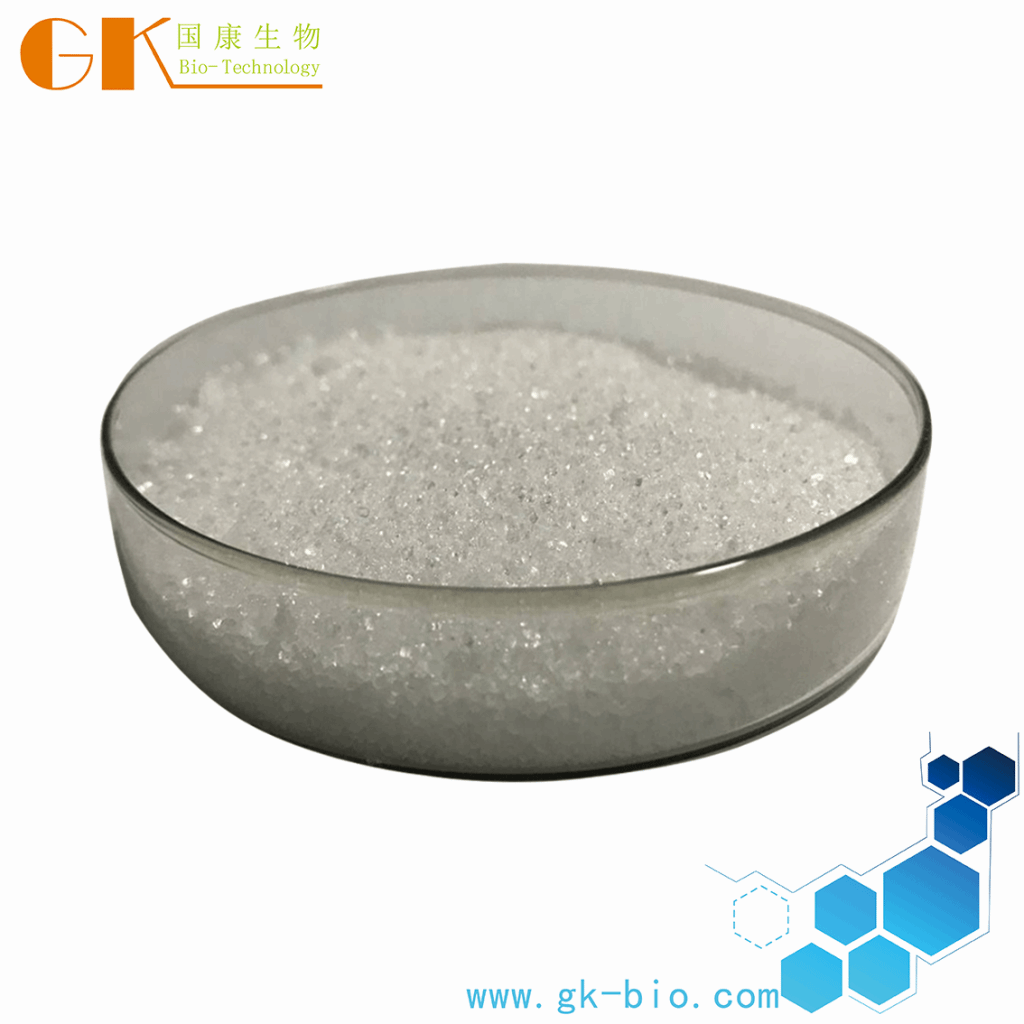
MPC has formula C11H22NO6P and molecular weight 295.27. Its internal phosphate anion and trimethylammonium cation give high polarity and strong hydration, while the methacrylate double bond enables radical copolymerization. Commercial material is commonly a white to almost-white powder or crystalline solid. Literature and supplier data report a melting range near 143–148 °C, but thermal exposure is inappropriate for routine storage because polymerization risk is the practical constraint.
A widely used route class builds a polymerizable cyclic phosphate ester and then introduces the choline functionality. Industrial execution requires anhydrous handling, controlled heat removal and careful removal of ionic by-products. Process development must balance conversion against premature methacrylate polymerization and should define hold times, inhibitor management and oxygen or nitrogen conditions through isolation and drying.
Demand is driven by premium silicone-hydrogel lenses, low-fouling disposable devices, blood-contacting surfaces and next-generation hydrogel systems. Device companies are moving from catalog purchases toward application-specific qualification because small variations in inhibitor, moisture or ionic impurities can alter graft density and coating performance. The strongest growth opportunity is therefore not undifferentiated tonnage, but reproducible lots supported by analytical methods, long-term stability data and regulatory access packages.
China and Japan anchor much of the specialized monomer know-how and commercial supply, while the EU and United States contain major biomaterial formulators, coating developers and regulated-device customers. Export flows are typically small-volume, high-value and temperature managed. Buyers should qualify more than one synthetic site where possible, yet a second source cannot be considered interchangeable until polymerization response, impurity profile and device performance have been bridged.
Research grade is generally sold in gram-scale packs with identity and broad purity data. Medical-device grade is a contractual quality category, not a universal compendial standard: its premium reflects tighter water and inhibitor ranges, endotoxin or bioburden controls, validated test methods, extended change notification, audit rights and document retention. Price also reflects cold storage, short campaign lengths and low recovery during ionic purification. Comparing offers only by HPLC area percent obscures these cost drivers.
MPC is a chemical monomer, not an independently approved device. REACH and TSCA obligations apply to chemical manufacture and import, while medical-device requirements attach to the final material and intended use. Buyers must verify inventory or registration status, annual tonnage, importer role and current supplier SDS. A GHS skin-sensitization classification such as Skin Sensitization Category 1 and H317 appears in some supplier dossiers, but classification must be determined from the marketed substance and jurisdiction-specific evidence.
MPC manufacturing uses phosphorus reagents, chlorinated or polar aprotic solvents in some routes, amines and energy-intensive purification. Environmental review should cover acidic off-gas capture, salt-rich aqueous waste, solvent recovery, worker exposure and polymer-contaminated equipment cleaning. ISO 14001 data, emissions permits and waste-contractor records are increasingly relevant in supplier audits, particularly when a medical customer must document Scope 3 emissions and continuity risks.
Process intensification can improve heat transfer during cyclic phosphate formation and reduce off-specification polymerized material. Solvent recovery, low-temperature drying efficiency and campaign planning are practical carbon levers. Suppliers should report cradle-to-gate boundaries, electricity mix, recovered-solvent allocation and waste assumptions rather than a single unexplained carbon number. PPWR-driven packaging reduction must be balanced against moisture protection and cold-chain integrity.
Traceability should extend to hydroxyethyl methacrylate, the cyclic phosphorus reagent, trimethylamine, solvents and inhibitor. Medical programs benefit from supplier-change notification, retained samples and chain-of-custody records. Buyers should also examine phosphorus-effluent controls, amine capture and mass balance. Animal-origin-free statements may be requested for regulated biomaterials, but they require documented raw-material review rather than assumptions based on the synthetic structure.
MPC's principal logistics threat is quality drift rather than bulk freight availability. Warm excursions can accelerate inhibitor loss or oligomer formation, while repeated opening rapidly increases water. A lane qualification should define dispatch temperature, maximum excursion, light protection, data-logger placement, customs contingencies and the testing required after deviation. Safety classification and transport status must always follow the current lot-specific SDS.
Many supplier SDSs treat stabilized solid MPC as not regulated as dangerous goods under ADR, IMDG or IATA, although it may carry a skin-sensitization warning. That conclusion is product-specific. Refrigerated or frozen shipment is an operational quality control, not automatically a dangerous-goods classification. Avoid dry ice in sealed primary packaging, segregate from heat and radical initiators, and use temperature evidence for disposition after any delay.
A scalable MPC sourcing program aligns monomer controls with the customer's polymer process and device dossier. The supplier and buyer should jointly identify attributes that affect coating or gel performance, create a comparability protocol for changes, and maintain regulatory evidence by market. This approach prevents a nominally conforming lot from creating costly downstream revalidation.
MPC translates a cell-membrane-inspired phosphorylcholine group into a versatile polymerizable monomer. Its value in contact lenses, catheters, stent coatings, blood-contacting systems, wound dressings and hydrogels rests on controlled hydration and antifouling behavior. Real commercial differentiation comes from stable chemistry, reproducible inhibitor and water control, and documentation that allows device developers to understand and manage material risk.
For 2026 sourcing, buyers should combine chemical compliance, ISO-aligned quality systems, device-specific biological evaluation support and robust low-temperature logistics. Neither MPC nor an MPC-containing polymer should be represented as clinically safe solely because of its structure or a supplier test. Final claims require the finished device's complete technical, biological and clinical evidence, reviewed under the applicable jurisdiction.
Powered by Guidechem
This white paper is exclusively compiled by the Guidechem Intelligence Team based on global customs data, regulatory databases, and industry research. Guidechem is a leading global B2B chemical platform, dedicated to connecting global buyers with verified, high-quality manufacturers.
Relying on Guidechem's extensive global database, we have mapped the core participants in the current global 2-Methacryloyloxyethyl phosphorylcholine (MPC) supply chain:
Disclaimer: The content of this white paper is compiled based on public market data and regulatory information available as of 2026. Global chemical regulations are subject to dynamic adjustments. In actual export operations, enterprises must consult professional regulatory advisors or relevant competent authorities to obtain the latest compliance guidance.
|
 |
 |
|
 EN
 Agricultural News
 Food News
 Industrial News
 Cosmetic News
 Pharmaceutical News
 Science News


 6YRS

