-
We detected your language preference as English. Would you like to switch to the English version for a better experience?
Switch to English
Stay here


Sodium periodate (CAS 7790-28-5, NaIO4, MW 213.89) is the workhorse periodate oxidant of industrial and laboratory chemistry: a white crystalline salt that cleaves vicinal diols with exceptional selectivity under mild aqueous conditions. In 2026 it sits at the intersection of three growing demand pools — pharmaceutical and fine-chemical selective oxidation, cellulose nanomaterial and dialdehyde-cellulose modification, and glycobiology and nucleic-acid analytical workflows — while remaining a strategically thin market because its cost base is tied to a single element, iodine, whose supply is concentrated in Chile and Japan.
This white paper reviews the 2026 export landscape for sodium periodate from the perspective of B2B buyers, sourcing managers, regulatory officers and toll manufacturers. It analyses the dominant electrolytic oxidation of iodate and the older hypochlorite and chlorine-based routes, the Malaprade glycol-cleavage mechanism that defines most applications, and the practical compliance burden created by its GHS oxidising-solid classification and UN 1479, Class 5.1 dangerous-goods status. It also addresses iodine price transmission, iodine recovery and recycling economics, and wastewater iodine discharge control.
The commercial conclusion is that sodium periodate is a low-tonnage, high-unit-value speciality oxidant where reliability beats price competition. Buyers qualify suppliers on assay and insoluble matter, on heavy-metal and iodate limits, on consistent crystal form and flowability, and above all on the ability to ship a Class 5.1 oxidiser with correct packaging, segregation and documentation. Suppliers who can document iodine provenance, recovery loops and effluent iodine control are increasingly preferred by multinational customers with Scope 3 and wastewater-permit obligations. In practice, the qualification cycle for a pharmaceutical or electronics buyer now resembles an API audit rather than a reagent purchase: supplied SDS and eSDS review, packaging and segregation inspection, elemental-impurity justification, iodine provenance declaration and, increasingly, a site visit focused on electrolytic cell technology and effluent treatment. That cycle length is itself a commercial asset, because once a supplier is qualified the switching cost is high and the account is defended by documentation rather than by price.
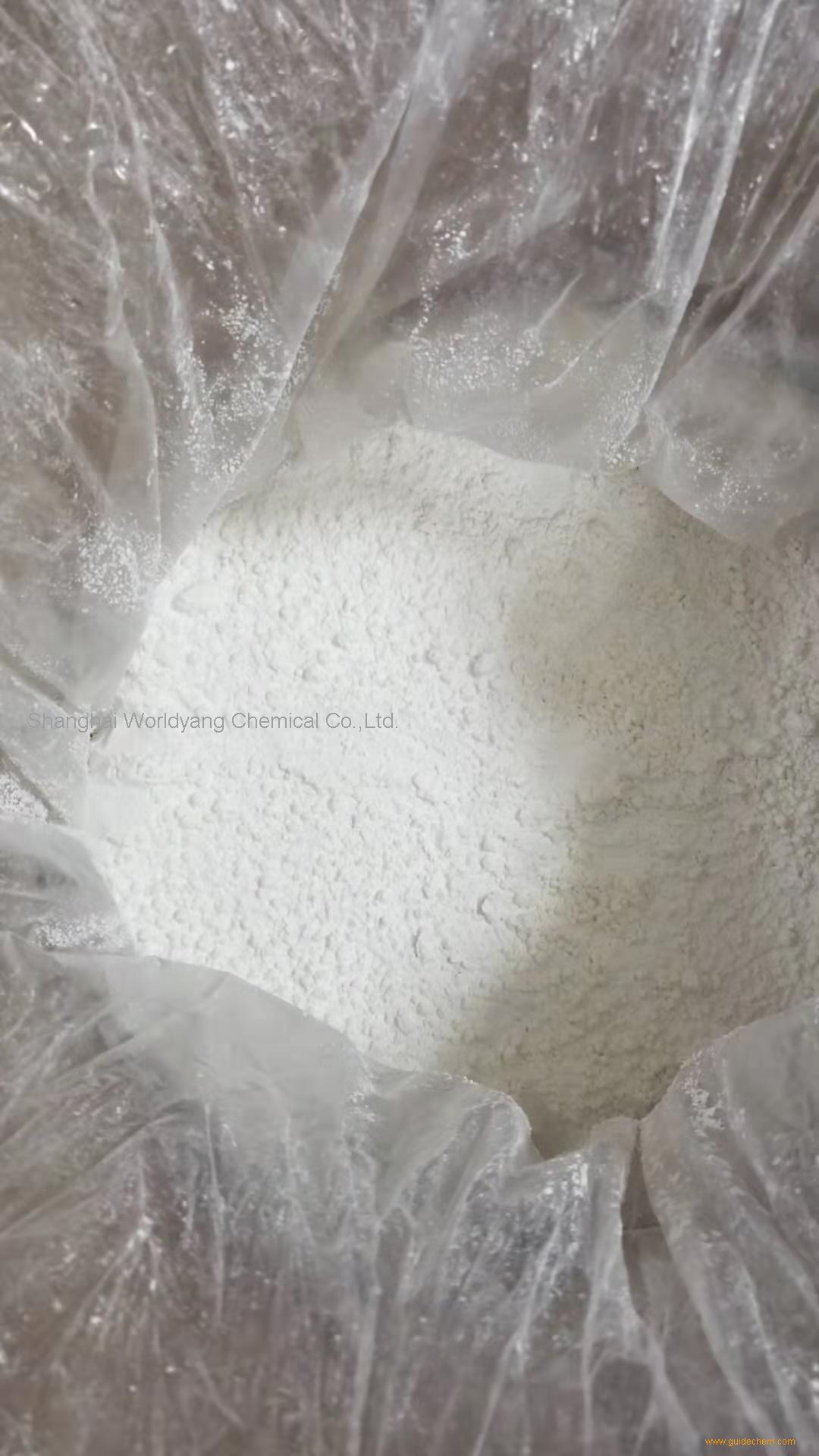
Sodium periodate is the sodium salt of periodic acid, containing tetrahedral periodate in the +7 iodine oxidation state. It is a white, odourless crystalline solid with moderate but workable water solubility, low solubility in most organic solvents, and thermal decomposition rather than clean melting at elevated temperature. Solutions are mildly acidic to neutral depending on grade, and the oxidising power is strongly pH- and temperature-dependent, which is precisely why the reagent can be tuned for selective transformations instead of indiscriminate oxidation.
All commercial sodium periodate is derived from elemental iodine or iodide brines via iodate. Iodine is first converted to sodium iodate — by disproportionation of iodine in alkali, by oxidation of iodide with chlorine, or directly as a co-product of iodine refining — and the iodate is then oxidised one further step to periodate. The process economics are therefore dominated by iodine cost, electricity, and the efficiency of iodide and iodate recovery from mother liquors and process effluents.
Three structural drivers dominate. First, the shift away from stoichiometric chromium and manganese oxidants in pharmaceutical oxidation is redirecting process chemists toward clean, aqueous, inorganic oxidants. Second, nanocellulose and biodegradable barrier-material commercialisation is creating a genuinely new bulk application for dialdehyde cellulose. Third, glycobiology, oligonucleotide and bioconjugation analytics continue to grow. Offsetting these, substitution threats exist: catalytic aerobic oxidation, TEMPO or nitroxyl catalysis with cheaper terminal oxidants, and enzymatic oxidation are displacing periodate in some large-scale carbohydrate modifications. The practical result is a market in which periodate defends high-value, selectivity-driven applications while losing price-sensitive bulk oxidation work, pushing producers toward tighter specification, technical service and iodine-recovery efficiency rather than volume expansion. Buyers should therefore expect suppliers to ask for application detail — substrate class, pH window, acceptable iodate residue and downstream purification capability — before quoting, because the optimum grade and the optimum iodine-recovery arrangement depend on how the periodate is actually consumed.
Capacity follows iodine access and electrochemical competence. Japanese producers, integrated with domestic brine and natural-gas-field iodine, supply high-purity grades to electronics, analytical and pharmaceutical customers. Chinese producers have expanded iodate and periodate capacity substantially, serving domestic pharmaceutical and nanocellulose demand and exporting commodity grades. Chilean and other iodine-resource holders influence upstream economics, while European and North American participants typically operate as refiners, repackers and distributors holding inventory to buffer iodine price cycles.
Because iodine represents the majority of variable cost, sodium periodate pricing transmits iodine price movements with only modest lag, and contract structures increasingly include iodine-index adjustment clauses. The market bifurcates into industrial grade for cellulose and bulk oxidation work and high-purity or analytical grade for pharmaceutical, diagnostic and electronics use, with a wide price spread justified by heavy-metal, insoluble-matter and assay specifications. Freight and packaging for a Class 5.1 oxidiser add a structural cost that discourages marginal spot trading.
Sodium periodate is regulated primarily as a physical hazard rather than as a toxic substance, which shapes the entire compliance approach: the heaviest obligations concern classification, packaging, segregation, transport and fire and dust control. Chemical-inventory obligations under REACH and TSCA run in parallel, and pharmaceutical customers impose their own elemental-impurity expectations on iodine and metal residues.
ESG scrutiny of sodium periodate centres on two resources: electricity for electrolytic oxidation and iodine itself, a geographically concentrated element with a visible price cycle. Customers running Scope 3 accounting and water-risk screens now ask producers to disclose energy source and intensity, iodine provenance, recovery rate and effluent iodine concentration as part of qualification.
Electrolysis is the dominant energy consumer, so the carbon footprint tracks the grid mix and the cell's current efficiency; producers with renewable power purchase agreements or on-site generation hold a measurable advantage in customer ESG scoring. Circularity is equally material: recovering iodide from spent oxidation liquors, scrubber streams and customer-side iodine-containing waste closes the loop on the most expensive and most strategically exposed input, and reduces both cost and effluent load.
Traceability begins at the iodine source — Chilean caliche-derived iodine and Japanese brine or gas-field iodine dominate global supply — and continues through iodate conversion and electrolysis. Exporters should maintain ISO 9001 and ISO 14001 certification, documented chain-of-custody for iodine lots, third-party ESG ratings, and verified wastewater permits covering iodine discharge. Buyers in water-stressed or tightly regulated jurisdictions increasingly treat effluent iodine performance and iodine provenance as qualification criteria rather than as optional sustainability reporting.
Sodium periodate logistics are governed by oxidiser classification, caking tendency and moisture sensitivity. Material that absorbs water cakes, loses flowability and becomes harder to dose safely, so packaging moisture barriers and dry storage are quality requirements as much as transport conveniences. Because it is a Class 5.1 oxidiser, mode and carrier options are narrower than for ordinary salts, and booking lead times should be built into contracts.
Sodium periodate is consigned as UN 1479, oxidizing solid n.o.s., Class 5.1, and must be documented under IMDG for sea freight, ADR/RID for European road and rail, and IATA DGR for air, where oxidiser packing instructions apply and quantity limits are stricter than for sea. Consignors must provide correct shipping names, class labels, UN-certified packaging, trained-personnel documentation and emergency-response information, and must apply oxidiser segregation rules — typically separation from combustible and reducing cargoes and from acids. Because the substance is water-soluble and an oxidiser, spill response planning should avoid combustible absorbents and use inert, non-organic containment media, with iodide-containing wash water captured rather than drained.
Success in this market comes from de-commoditising a chemically simple inorganic salt through specification, service and resource security. The following three initiatives consistently differentiate suppliers that hold pharmaceutical, electronics and advanced-materials accounts from those limited to spot bulk trading.
Sodium periodate in 2026 is a strategically small but structurally advantaged oxidant. Its selectivity in vicinal-diol cleavage keeps it relevant in pharmaceutical synthesis and bioanalysis, and the rise of dialdehyde cellulose and nanocellulose materials has given it a genuine growth outlet beyond the laboratory. The binding constraints are not demand but resource concentration in iodine, electrical energy cost, and the operational discipline required to ship and store a Class 5.1 oxidiser safely.
For buyers, the recommended posture is to qualify on specification and logistics rather than headline price: fix assay, iodate, insoluble-matter and metal limits, insist on UN-certified oxidiser packaging with verified segregation, and secure iodine-index-linked contracts with at least two geographically distinct sources. For suppliers, the route to durable margin lies in high-purity grade definition, iodine recovery and verified effluent control, supported by REACH and TSCA documentation that removes friction from every import.
Powered by Guidechem
This white paper is exclusively compiled by the Guidechem Intelligence Team based on global customs data, regulatory databases, and industry research. Guidechem is a leading global B2B chemical platform, dedicated to connecting global buyers with verified, high-quality manufacturers.
Relying on Guidechem's extensive global database, we have mapped the core participants in the current global Sodium Periodate supply chain:
Disclaimer: The content of this white paper is compiled based on public market data and regulatory information available as of 2026. Global chemical regulations are subject to dynamic adjustments. In actual export operations, enterprises must consult professional regulatory advisors or relevant competent authorities to obtain the latest compliance guidance.
|
 |
 |
 |
 EN
 Agricultural News
 Food News
 Industrial News
 Cosmetic News
 Pharmaceutical News
 Science News


 14YRS


