-
We detected your language preference as English. Would you like to switch to the English version for a better experience?
Switch to English
Stay here


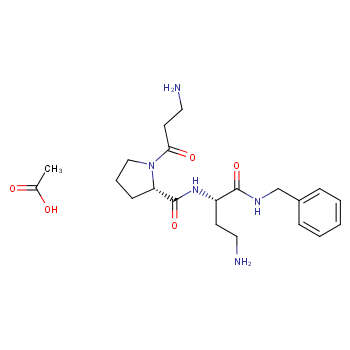
Dipeptide diaminobutyroyl benzylamide diacetate, CAS 823202-99-9, is a synthetic cosmetic peptide ingredient widely associated with the SYN-AKE ingredient concept. It is supplied to qualified cosmetic manufacturers and formulators for external-use products, commonly as a standardized solution or powder. It is not a drug, injectable material or finished consumer product, and this paper makes no therapeutic or medical-efficacy claim.
B2B value lies in reproducible peptide identity, stereochemical control, salt form, actual peptide content and formulation compatibility—not in a headline HPLC area percentage alone. Cosmetic-peptide CDMOs must integrate Fmoc solid-phase or validated solution-phase synthesis, cleavage and purification, diacetate formation, drying or solvent formulation, microbiological control and orthogonal release testing. Buyers should distinguish neat peptide assay from active content in a carrier blend.
The 2026 compliance route is product- and market-specific. EU customers need data supporting the Cosmetic Product Safety Report and Responsible Person's CPNP notification; US customers must evaluate MoCRA facility-registration and product-listing responsibilities; and China-bound projects require an inventory check and, where applicable, cosmetic new-ingredient registration or notification under the prevailing framework. Claims, animal-testing status, vegan status and ISO 16128 positioning all require documented substantiation.
The ingredient is a short, cationic synthetic peptide derivative presented as a diacetate salt. Commercial grades may differ materially because the peptide can be offered neat, freeze-dried, or diluted in water, glycerin or another cosmetic carrier with preservation. Identity, counterion level, moisture and carrier composition therefore define the article being purchased more accurately than CAS identity by itself.
A common manufacturing platform uses Fmoc solid-phase peptide synthesis, sequentially coupling protected amino-acid building blocks on resin before cleavage, side-chain deprotection and formation of the benzylamide-containing target. Depending on scale and economics, manufacturers may use solution-phase or hybrid assembly. The isolated peptide is purified, exchanged or neutralized to the specified diacetate form and dried or formulated under controlled conditions.
Demand is driven by premium skin-care differentiation, low-use-level actives and consumer interest in peptide-labelled formulations. The market is shifting from novelty ingredients toward evidence packages that survive regulatory and retailer review. Buyers increasingly request sequence confirmation, impurity transparency, preservative disclosure, challenge-test compatibility and claim-support files. Growth therefore favors suppliers able to provide application support without crossing the boundary into drug-like promises.
China has broad peptide custom-synthesis and cosmetic-ingredient capacity; European ecosystems combine branded actives, safety assessment and prestige formulation; and the United States offers strong brand, contract-manufacturing and testing demand. Physical volumes are small compared with commodity chemicals, so capacity is measured through reactor and purification scheduling, chromatography throughput and validated lyophilization rather than tonnes of installed nameplate equipment. Reliable export depends on documentation speed as much as synthesis slots.
Pricing separates authenticated high-purity peptide from low-active carrier solutions and loosely specified blends. Major cost drivers include protected amino acids, resin, coupling reagents, solvent recovery, preparative HPLC yield, analytical burden and batch size. Buyers should normalize quotations to grams of verified peptide base, not kilograms of solution. Lower prices can reflect dilution, ambiguous acetate correction, shared-method quantitation or incomplete impurity and microbiological testing. Intellectual-property and trademark positioning also affect offers: a supplier may manufacture the INCI material without conveying rights to a third party's brand name, proprietary formulation, study package or logo. Procurement must separate chemical identity, licensed marketing assets and claim substantiation in the contract. Forecast accuracy matters because very small campaigns can suffer high setup and analytical costs, whereas oversized batches create stability and inventory-expiry exposure.
Regulatory status attaches to the exact identity, composition, function, claims and destination. A supplier package should include INCI naming rationale, CAS and structure information, manufacturing summary, specification, SDS, certificate of analysis, impurity and residual-solvent assessment, toxicological data, microbiological controls, stability, non-animal and origin statements, and recommended cosmetic-use conditions that do not imply medical treatment. REACH and CLP duties require case-specific review.
Peptide synthesis can have a high process-mass intensity because of repeated washing, excess reagents, protecting groups and chromatography solvents. ESG assessment should address dimethylformamide or alternative solvent management, acetonitrile recovery, resin disposal, wastewater organic load, worker protection and batch yield. Small shipment mass does not make upstream production impact immaterial.
CDMOs can reduce footprint through coupling optimization, higher resin productivity, solvent segregation and recovery, lower-solvent purification and efficient lyophilization. Metrics should be reported per gram of released peptide base and include rejected pools, not only successful batches. Carrier solutions may reduce drying energy but increase packaging and freight; lifecycle comparisons should use the concentration actually delivered to the formulator.
ISO 16128 calculations depend on feedstock origin and processing and do not themselves certify safety, organic status or biodegradability. A fully synthetic peptide should not be presented as natural without a defensible calculation. Vegan and no-animal-testing statements require traceability for amino-acid building blocks, processing aids and test methods, plus jurisdiction-specific legal review; supplier declarations should define scope, date and exceptions.
Supply continuity depends on protected amino-acid availability, purification consumables, qualified analytical standards and cold or controlled-temperature logistics where stability data require them. Buyers should dual-qualify exact grades, because changing from powder to a glycerin solution alters assay basis, preservative exposure and formulation water balance. Retained samples and stability-indicating methods are central to complaint investigation. Forecasts should reserve both synthesis and preparative-HPLC capacity; a reactor slot without purification and lyophilization availability does not secure supply. Quality agreements should specify retest or expiry dating, excursion notification, minimum remaining shelf life at delivery and approval before carrier or preservative changes. Distributors need validated storage mapping and first-expiry-first-out control. When a brand changes contract manufacturer, the ingredient producer should support method transfer and comparability but must not assume that an earlier formulation's safety assessment or CPNP record automatically covers the new composition, site or market presentation.
The neat peptide is not automatically dangerous goods, but the actual carrier, preservative, solvent content and quantity determine classification. The shipper must use the current SDS and modal rules rather than infer status from the peptide name. Temperature monitors, insulated packaging or refrigerated service should be used only when supported by stability data, with documented excursion assessment and customs paperwork matching composition.
Global expansion should be organized around a master ingredient dossier and local gap assessments. The CDMO supplies controlled chemistry and quality evidence; distributors preserve storage, traceability and claims discipline; and the finished-product Responsible Person or brand completes formulation safety and notification. Quality agreements should prohibit unapproved relabelling, concentration changes and medical or injectable positioning.
Dipeptide diaminobutyroyl benzylamide diacetate is a specialized external-use cosmetic ingredient whose commercial quality depends on measurement discipline. Sequence confirmation, stereochemical and impurity control, acetate quantitation, actual peptide-base assay and microbiological management are the foundation for defensible B2B trade.
The preferred 2026 supplier will connect scalable peptide chemistry with transparent concentration calculations, stable carrier systems and market-specific compliance support. All parties must keep the boundary explicit: this material is not a drug, not an injectable and not supplied with therapeutic claims. Finished cosmetic safety, notification and appearance claims remain the responsibility of qualified market actors.
Powered by Guidechem
This white paper is exclusively compiled by the Guidechem Intelligence Team based on global customs data, regulatory databases, and industry research. Guidechem is a leading global B2B chemical platform, dedicated to connecting global buyers with verified, high-quality manufacturers.
Relying on Guidechem's extensive global database, we have mapped the core participants in the current global Dipeptide diaminobutyroyl benzylamide diacetate supply chain:
Disclaimer: The content of this white paper is compiled based on public market data and regulatory information available as of 2026. Global chemical regulations are subject to dynamic adjustments. In actual export operations, enterprises must consult professional regulatory advisors or relevant competent authorities to obtain the latest compliance guidance.
|
 |
|
|
 EN
 Agricultural News
 Food News
 Industrial News
 Cosmetic News
 Pharmaceutical News
 Science News


 1YR


