-
We detected your language preference as English. Would you like to switch to the English version for a better experience?
Switch to English
Stay here


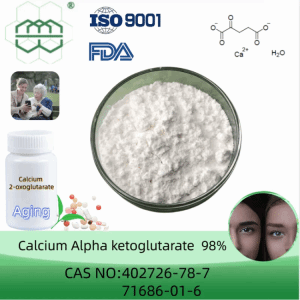
Calcium 2-Oxoglutarate (Ca-AKG, CAS 71686-01-6) has become a strategic raw material for dietary supplement and healthy-aging product manufacturers. However, supply concentration, regulatory compliance, logistics volatility, and quality specification divergence can significantly impact procurement reliability. This guide examines global production capacity, sourcing models, lead-time risks, pricing dynamics, and practical shortage-mitigation strategies for procurement leaders managing Calcium 2-Oxoglutarate supply chains.

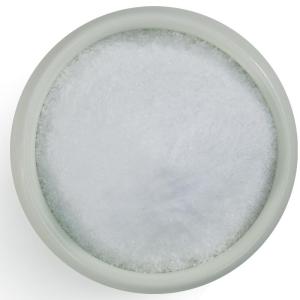
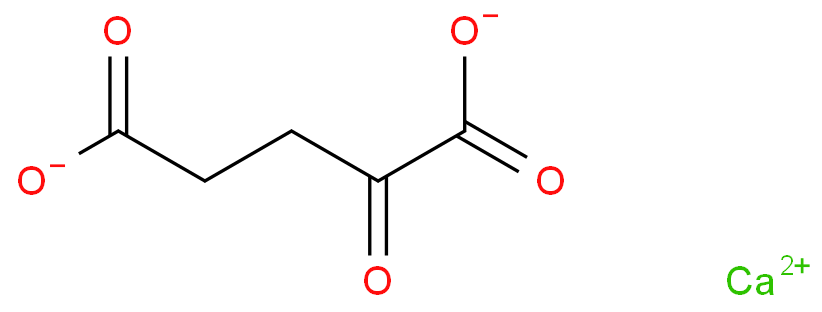
Calcium 2-Oxoglutarate (Calcium Alpha-Ketoglutarate, Ca-AKG, CAS 71686-01-6) is primarily manufactured through the neutralization of alpha-ketoglutaric acid (2-Oxoglutaric Acid) with high-purity calcium salts, followed by crystallization, drying, and quality purification processes. The product is widely utilized in dietary supplements, functional nutrition formulations, and healthy-aging product development.
From a global production perspective, manufacturing capacity remains highly concentrated in East Asia. China has emerged as the dominant production hub, particularly within fine chemical industrial clusters located in Shandong, Jiangsu, Zhejiang, and Anhui provinces. These regions benefit from integrated upstream fermentation intermediates, organic acid manufacturing infrastructure, and cost-efficient calcium salt supply chains.
Industry estimates indicate that more than 80% of dietary supplement-grade Calcium 2-Oxoglutarate available in international trade originates from a relatively small number of GMP-capable manufacturers. While numerous distributors exist globally, actual production capacity is controlled by a limited group of large-scale facilities capable of meeting stringent food-grade and nutraceutical-grade specifications.
The upstream supply chain is heavily dependent on:
Because Ca-AKG is often marketed toward premium healthy-aging formulations, buyers increasingly require specification packages including:
Consequently, nominal manufacturing capacity frequently differs from commercially available compliant capacity.

Procurement teams often encounter situations where suppliers technically have inventory available, yet qualified material remains difficult to secure. This discrepancy is typically driven by three major factors.
Environmental Compliance Pressure. Fine chemical facilities processing organic acids generate wastewater streams requiring specialized treatment. Environmental inspections, wastewater discharge restrictions, and carbon-emission reduction programs can reduce operating rates unexpectedly, especially in highly regulated industrial parks.
Quality Yield Loss. Nutraceutical-grade Ca-AKG generally undergoes more extensive purification and testing than industrial-grade material. Heavy-metal failures, moisture deviations, or microbiological non-conformities can reduce final release yields by 5–15% depending on process capability.
Specification Segmentation. Not all Ca-AKG inventory qualifies for premium supplement applications. Manufacturers supplying healthy-aging brands often reject lots that fail internal limits even when the material meets minimum chemical specifications.
Sourcing Architecture: How Do Buyers Compare Calcium 2-Oxoglutarate Supply Options and Logistics Routes?
Experienced procurement teams evaluate suppliers using Total Cost of Ownership (TCO) rather than purchase price alone.
A practical vendor audit framework includes four weighted dimensions:
Batch consistency is particularly important. Buyers should evaluate multiple Certificates of Analysis (COAs) and calculate standard deviation across critical quality attributes including assay, moisture content, particle size distribution, and heavy-metal levels.
In most procurement programs, Tier-1 manufacturers provide the lowest production cost and strongest process control but may require annual volume commitments. Large distributors typically offer lower MOQs, consolidated shipments, and financing support but introduce additional channel margins.
Domestic inventory programs are generally easier to manage because they eliminate customs uncertainty, reduce foreign exchange exposure, and support just-in-time manufacturing.
However, domestic inventory carries embedded costs:
In contrast, offshore direct procurement delivers lower unit costs but introduces greater exposure to logistics disruptions and production scheduling risks.
Many multinational supplement manufacturers now apply a hybrid sourcing strategy:
This approach balances cost optimization and operational resilience.
Delivery Engineering: What Affects Calcium 2-Oxoglutarate Supply Lead Times and Price Volatility?
Historically, standard ocean freight lead times for Ca-AKG shipments ranged from 4–6 weeks. However, geopolitical disruptions and maritime rerouting have significantly altered transit predictability.
Recent disruptions affecting global chemical supply chains include:
Industry logistics data shows that rerouting around the Cape of Good Hope can add approximately 10–14 additional transit days compared with traditional routes. This has increased safety-stock requirements across multiple chemical sectors.
Another overlooked factor is production scheduling. Large-volume annual contracts typically receive higher reactor scheduling priority than small spot orders. During annual maintenance shutdowns or year-end production peaks, lead times can increase by several weeks.
Although Calcium 2-Oxoglutarate pricing appears relatively stable compared with specialty APIs, significant fluctuations can still occur.
Demand surges are often linked to:
Procurement leaders should carefully review contract structures. Fixed-price agreements offer budgeting certainty but may become difficult for suppliers to honor during severe raw-material inflation cycles.
Formula-pricing mechanisms tied to freight indexes or raw-material benchmarks often create more sustainable long-term partnerships.
Expert Commentary: The most sophisticated buyers no longer attempt to secure a single annual fixed price. Instead, they implement layered procurement models using quarterly pricing reviews, rolling forecasts, and staggered purchase orders. This strategy minimizes budget shocks while preserving supplier commitment during tight-capacity periods.
Risk Mitigation Framework: How Can Calcium 2-Oxoglutarate Supply Shortages Be Avoided?
Strategic procurement begins with understanding seasonal production patterns.
Key planning windows include:
For critical product launches, purchase forecasts should ideally be communicated six months in advance. Many leading manufacturers allocate production capacity preferentially to customers providing rolling forecasts and forecast accuracy metrics.
A recommended planning framework includes:
The most reliable supply source is rarely the cheapest supplier.
Instead, reliability should be measured across multiple dimensions:
Best-in-class procurement organizations increasingly implement a 70/30 sourcing model:
This dual-sourcing architecture significantly reduces supply interruption risk while maintaining competitive procurement costs.
For global procurement teams, digital sourcing platforms have become increasingly important. Access to multiple qualified manufacturers and inventory holders allows procurement managers to respond rapidly when unexpected shortages occur, reducing dependency on single-source supply chains.
FAQs
Q1: How far in advance should Calcium 2-Oxoglutarate orders be placed?
For strategic manufacturing programs, buyers should place forecasts at least 3–6 months ahead and issue purchase orders one to two quarters before expected consumption.
Q2: What purity level is typically required for nutraceutical applications?
Most premium supplement manufacturers require assay values of 98% or higher, supported by heavy-metal testing, microbiological compliance reports, and complete COA documentation.
Q3: What is the best strategy to avoid supply shortages?
Implement dual-sourcing, maintain safety stock, share rolling forecasts with suppliers, and continuously monitor logistics risks and production capacity utilization.
References
[1]. ChemicalBook. Calcium 2-Oxoglutarate (CAS 71686-01-6) Database Record, Molecular Formula, Storage Conditions and Physical Properties.
[2]. Alfa Chemistry. Calcium Alpha-Ketoglutarate Technical Specification Sheet, CAS 71686-01-6.
[3]. Reuters. Global Shipping and Red Sea Logistics Disruption Reports (2025–2026).
[4]. ISO 22000:2018 Food Safety Management Systems – Requirements for Organizations in the Food Chain.
[5]. United States Pharmacopeia (USP) General Chapters on Dietary Ingredient Quality and Heavy Metal Testing.
[6]. European Pharmacopoeia (EP), General Monographs for Raw Materials Used in Nutritional and Pharmaceutical Manufacturing.
Looking for stable, high-purity Calcium 2-Oxoglutarate with full regulatory documentation and qualified global suppliers? Build a resilient multi-source procurement strategy with verified manufacturers, traders, and inventory partners.
 |
 |
|
 |
 |
 |
 EN
EN
 Agricultural News
 Food News
 Industrial News
 Cosmetic News
 Pharmaceutical News
 Science News

 11YRS
11YRS


Expert Commentary: After auditing nutraceutical ingredient suppliers for more than 15 years, we consistently find that quality variability—not nominal price—is the largest hidden cost driver. A supplier offering 3% lower pricing can easily generate 10–20% additional internal testing, release delays, and inventory carrying costs if batch consistency is unstable. Procurement teams should evaluate historical COA trends before negotiating pricing.