-
We detected your language preference as English. Would you like to switch to the English version for a better experience?
Switch to English
Stay here


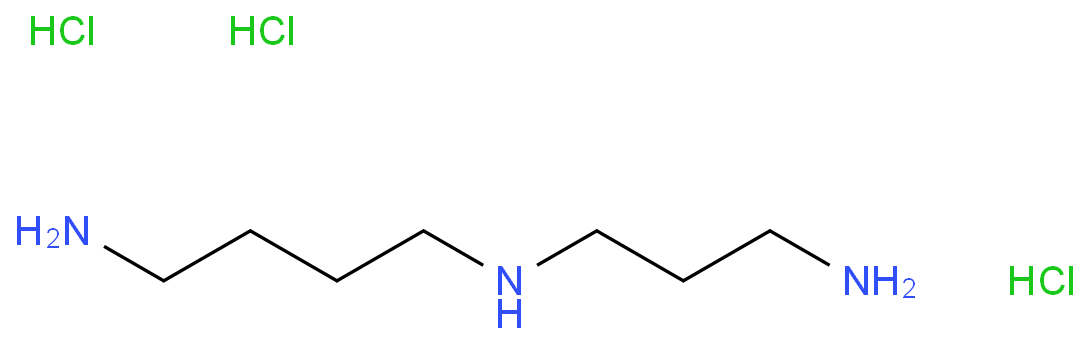
Spermidine Trihydrochloride (CAS 334-50-9) has become a strategic ingredient in longevity-focused nutraceuticals and advanced life science research. However, sourcing bulk Spermidine Trihydrochloride powder requires far more than comparing prices. From genotoxic impurities and residual catalysts to GMP compliance and analytical verification, rigorous supplier qualification is essential to ensure product safety, regulatory acceptance, and commercial success.

Critical Contaminant Controls: Why Does Spermidine Trihydrochloride Supply Need Quality Checks?
Spermidine Trihydrochloride (CAS 334-50-9) is a highly polar polyamine salt widely used in cellular aging studies, dietary supplement formulations, and pharmaceutical research. Commercial production commonly involves polyamine synthesis routes, catalytic hydrogenation processes, and hydrochloride salt formation. During these manufacturing stages, multiple impurity risks may emerge, including unreacted intermediates, structurally related polyamine by-products, residual solvents, and trace metal catalysts.
One of the most overlooked risks is the presence of potentially genotoxic process impurities. Although typically present at trace levels, such impurities may create significant regulatory concerns when materials are intended for nutraceutical or pharmaceutical applications. Modern quality systems therefore require impurity profiling, toxicological risk assessments, and validated analytical methods to ensure impurity control throughout the manufacturing process.
Residual catalytic metals such as palladium (Pd), platinum (Pt), and nickel (Ni) represent another critical concern. Even low-level contamination can interfere with in vitro cytotoxicity assays, impact product stability, and trigger regulatory non-compliance. Heavy metal control is increasingly evaluated under elemental impurity frameworks such as ICH Q3D and supplier-specific quality specifications.
Moisture management presents an additional challenge. Spermidine Trihydrochloride exhibits strong hygroscopic behavior, readily absorbing atmospheric moisture during storage and transportation. Excessive water uptake may lead to caking, degradation, altered assay values, increased microbial burden, and shortened shelf life. For dietary supplement manufacturers, these quality failures can result in product returns, batch rejection, recalls, and reputational damage.
The answer is straightforward: procurement departments should never engage with suppliers unable to provide a batch-specific Certificate of Analysis (COA) immediately.
A compliant Spermidine Trihydrochloride COA should contain the following minimum technical specifications:
Residual solvent testing deserves particular attention. Current ICH Q3C(R9) guidelines continue to define toxicologically acceptable limits for residual solvents used during pharmaceutical manufacturing and recommend validated chromatographic testing methods for solvent determination.
A comprehensive supplier qualification process requires far more than a single COA document. Procurement teams should request a complete regulatory documentation package before approving any supplier.
Whether GMP manufacturing is necessary depends largely on the intended application.
For basic laboratory research, GMP certification may not be mandatory. However, GMP-compliant manufacturing becomes increasingly important for dietary supplements, medical nutrition products, and internationally distributed commercial formulations.
Qualified GMP facilities typically implement:
Expert Observation — Pharmaceutical Quality Auditor: "Batch-to-batch consistency is the hidden value of GMP. A supplier may achieve acceptable purity once, but only a GMP system consistently reproduces that quality across commercial production campaigns."
Expert Commentary: Buyers frequently focus on assay value while overlooking manufacturing controls. In reality, GMP compliance provides a risk-management framework covering contamination prevention, documentation integrity, and product traceability. These systems often determine whether a supplier remains viable as a long-term strategic partner.
Pharmaceutical-grade Spermidine Trihydrochloride does exist, but it remains relatively scarce and is often manufactured through custom production programs. Such materials may require additional release specifications including bacterial endotoxins ≤0.5 EU/mg, highly restricted elemental impurities, and enhanced related-substance profiling.
For most commercial supplement applications, nutraceutical-grade material with validated microbial controls and ≥99.0% purity provides the optimal balance between quality and cost efficiency.
Because Spermidine Trihydrochloride lacks strong UV chromophores, traditional UV-Vis methods often provide insufficient analytical sensitivity. Modern quality-control laboratories typically employ advanced techniques.
Independent laboratory retesting remains one of the most effective supplier verification strategies, particularly for large-volume procurement projects.
Successful sourcing decisions combine analytical verification, regulatory compliance, and supplier qualification into a unified procurement strategy.
Before approving any supplier, procurement teams should verify:
For international shipments, buyers should require aluminum foil vacuum-sealed inner packaging combined with double moisture barriers and fiber drums. This packaging configuration significantly reduces moisture uptake risk during ocean freight and long-term warehousing.
Guidechem's supplier verification ecosystem enables procurement teams to conduct efficient desktop audits by reviewing supplier credentials, certifications, manufacturing capabilities, and compliance documentation before initiating commercial negotiations.
FAQs
Q1: What purity level should I choose for dietary supplement manufacturing?
For most nutraceutical applications, Spermidine Trihydrochloride with purity ≥99.0%, controlled heavy metals, compliant microbial limits, and validated residual solvent testing is generally considered appropriate.
Q2: Is a COA alone sufficient for supplier qualification?
No. A complete supplier qualification program should include TDS, SDS, GMP documentation, third-party test reports, traceability records, and relevant regulatory declarations.
Q3: Why is moisture control critical for Spermidine Trihydrochloride?
Because the material is hygroscopic, excessive moisture uptake can lead to caking, reduced stability, altered assay results, and increased microbial risk during storage and transportation.
References
[1]. International Council for Harmonisation (ICH). ICH Q3C(R9): Impurities – Guideline for Residual Solvents, 2024.
[2]. European Medicines Agency (EMA). ICH Q3C(R9) Residual Solvents Scientific Guideline, effective April 29, 2024.
[3]. Connelly, J. ICH Q3C Impurities. In: ICH Quality Guidelines. Wiley, 2017. DOI: 10.1002/9781118971147.ch7.
[4]. FDA Guidance for Industry: Q3C Impurities – Residual Solvents. U.S. Food and Drug Administration.
[5]. CAS Registry Number: Spermidine Trihydrochloride, CAS No. 334-50-9.
Looking for stable, high-purity Spermidine Trihydrochloride with complete quality documentation, GMP manufacturing support, and global export compliance? Partner with verified suppliers capable of supporting research, nutraceutical, and pharmaceutical development projects.
 |
|
 |
 |
 |
|
 EN
EN
 Agricultural News
 Food News
 Industrial News
 Cosmetic News
 Pharmaceutical News
 Science News

 1YR
1YR


Industry Perspective — Dr. Derek Lowe, medicinal chemist and pharmaceutical industry commentator: "The greatest manufacturing risks often come not from the intended molecule itself, but from the impurities generated along the way." This observation remains particularly relevant for highly functionalized polyamines where trace impurities can significantly influence biological outcomes.
Expert Commentary: In supplier audits conducted for longevity supplement projects, the most frequent cause of raw-material rejection is not assay failure but incomplete impurity documentation. Procurement teams should treat impurity control, catalyst residue analysis, and moisture stability testing as mandatory entry criteria. A low-cost supplier without impurity traceability often becomes the most expensive supplier after product investigations, returns, or regulatory delays.