-
We detected your language preference as English. Would you like to switch to the English version for a better experience?
Switch to English
Stay here


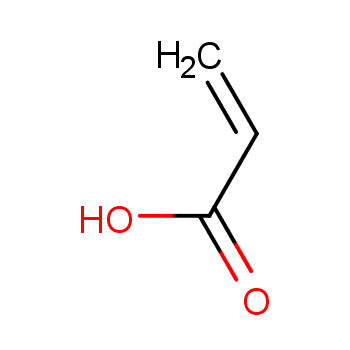
Acrylic, with the chemical formula C3H4O2 and CAS number 79-10-7, is a versatile and widely used paint material. It is known for its water-based composition and uses acrylic polymers as the binder, offering a quick-drying, low-VOC (volatile organic compound) alternative for various painting applications.
Polyurethane, on the other hand, is a polymer that uses polyurethane resins as its binder. Polyurethane paints are recognized for their excellent durability, chemical resistance, and ability to provide a glossy finish. This makes them highly popular in automotive applications, where a resilient, long-lasting paint is required.
When comparing acrylic vs polyurethane, it is essential to understand their differences in composition, durability, and typical applications. Acrylic paints are mostly water-based, fast-drying, and easy to clean, while polyurethane paints, especially the 2K varieties, offer a more durable finish with better resistance to chemicals and UV rays. Both have their place in the automotive industry, but they cater to different needs.

Both acrylic and polyurethane paints are the result of polymerization processes, but they use different chemical compounds as their base. Acrylic paints use acrylic monomers, while polyurethane paints rely on polyols and isocyanates. This difference in chemical composition results in varying performance characteristics, with polyurethane offering superior durability and resistance to environmental factors.
The main difference between acrylic vs polyurethane lies in their applications, particularly in automotive painting. Acrylic is often used for custom artwork and detailing, while polyurethane is preferred for automotive bodywork and refinishing due to its toughness and long-lasting finish.

Acrylic Paint Applications are renowned for their versatility and ease of use. Acrylic paints, especially polyurethane vs acrylic paint variants, are popular for their fast drying time, low odor, and water-based composition, making them a favorite in both interior and exterior painting projects. Acrylic paints are often used for decorative work, including custom automotive art, graffiti, and murals. Their ability to be mixed with various media makes them a top choice for artists seeking flexibility.
Acrylic paints are commonly used for custom artwork, detailing, and other decorative finishes. Their fast drying time, ease of use, and water-based composition make them a popular choice among artists and hobbyists. These paints are particularly favored in applications where quick turnaround is required, such as custom car detailing or small-scale repairs.
Water-based acrylic paints are easier to clean up and are often used for interior and exterior house painting, but they are not typically used for automotive bodywork. While they offer good color retention and ease of application, they lack the durability needed for exposure to the elements, which is why they are less common in automotive use. Solvent-based acrylics, however, offer better durability and are sometimes used for automotive painting, but still, they fall short when compared to polyurethane in terms of resistance to chemicals and UV rays.
In automotive applications, however, acrylic paints tend to be less durable than their polyurethane counterparts. While they can be used for base coats and fine detailing, they are not as resistant to chemicals and weathering. This is where polyurethane vs acrylic becomes an important consideration. While acrylic paints offer vibrant finishes and are easier to clean up, polyurethane paints are significantly more resilient in harsh environments such as automotive bodywork, which demands long-lasting protection against UV rays, chemicals, and abrasion.
Polyurethane paints, particularly the 2K variety, are widely used in automotive applications due to their superior durability. These paints provide a high-gloss, long-lasting finish that is resistant to chemicals, UV light, and weathering. They are especially popular in automotive refinishing and restoration, where a tough, glossy finish is essential for the longevity of the paint job.
1K polyurethane paints are also used for smaller-scale automotive repairs, offering ease of use and good durability for touch-ups. However, 2K polyurethane paints are typically reserved for professional applications due to their superior performance and the need for careful mixing with hardeners or activators.
When it comes to comparing acrylic urethane vs polyurethane, it’s important to note that acrylic urethane coatings combine the flexibility of acrylics with the durability of urethane, making them an excellent choice for certain applications that require both long-lasting protection and aesthetic appeal. Acrylic urethane can be used in automotive refinishing and offers many of the same benefits as polyurethane paints, such as a high-gloss finish and strong resistance to weathering and chemicals.
In summary, acrylic and polyurethane paints both have their unique advantages in different applications. Acrylic is ideal for custom artwork, detailing, and areas where quick drying and easy cleanup are important. On the other hand, polyurethane paints, especially in the 2K system, are more durable and resistant to environmental factors, making them the preferred choice for automotive refinishing and industrial applications.
| Side Effect |
Acrylic |
Polyurethane |
|---|---|---|
| Durability | Less durable, can degrade over time due to UV exposure | Highly durable, resistant to UV rays and chemicals |
| Environmental Impact | Water-based, lower VOC emissions | High VOC emissions, more environmental concerns |
| Gloss Finish | Lower gloss finish, less resistant to scratches | High-gloss finish, more resistant to scratches |
| Ease of Application | Easier to apply and clean up | More complex to apply due to the need for mixing hardeners |
If you're looking to purchase these compounds, Guidechem is your go-to platform for sourcing high-quality raw materials and reliable suppliers. With our extensive global network, we connect you to a wide range of Acrylic suppliers, ensuring you find the right products to meet your specific research or production requirements. Whether you're in pharmaceuticals, food additives, or other industries, Guidechem simplifies the sourcing process, offering verified supplier information, competitive pricing, and seamless communication.
 |
 |
|
 |
 |
 |
 EN
EN
 Agricultural News
 Food News
 Industrial News
 Cosmetic News
 Pharmaceutical News
 Science News

 1YR
1YR


