-
We detected your language preference as English. Would you like to switch to the English version for a better experience?
Switch to English
Stay here


Ammonia Solution, commonly referred to as aqueous ammonia, is a solution of ammonia gas (NH₃) in water. This clear and colorless liquid with a strong pungent odor is widely used across various industries, from household cleaning agents to industrial processing. The typical concentration ranges from 5% to 30%, making it a versatile and essential chemical.
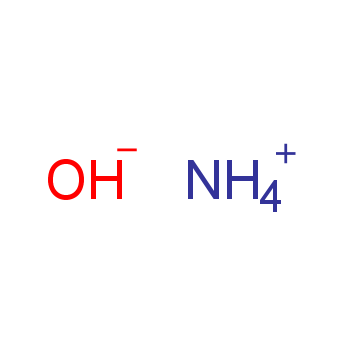
Ammonium Hydroxide, with the chemical formula H₅NO and CAS number 1336-21-6, is essentially another name for ammonia solution. However, the term is more commonly used in the context of chemistry, referring to the equilibrium between dissolved ammonia and hydroxide ions in water. Ammonium hydroxide is pivotal in laboratories and industrial processes for neutralization reactions and metal precipitation.
Although “ammonia solution” and “ammonium hydroxide” are often used interchangeably, understanding their distinctions is crucial for both industrial professionals and consumers. These terms describe different facets of the same chemical, emphasizing either its physical solution properties or its chemical ionization potential.

The distinction lies in the perspective—ammonia solution focuses on its physical state and usability, while ammonium hydroxide emphasizes its chemical reactivity.
The applications of ammonia solution and ammonium hydroxide span multiple industries due to their chemical versatility and ability to participate in a variety of reactions. These compounds are integral in fields such as manufacturing, water treatment, and food processing, each offering unique advantages depending on the specific requirements.

Ammonia solution, commonly found in concentrations of 5-30%, is a cornerstone in industrial applications. Its role in the textile industry includes functioning as a pH buffer and a cleaning agent. This solution is also essential in water treatment plants, where it adjusts pH levels and removes impurities through its ability to react with dissolved contaminants, forming less harmful compounds.
In food processing, ammonia solution is utilized as an antimicrobial agent, ensuring food safety by reducing bacterial contamination. It also finds use in producing fertilizers, where it serves as a nitrogen source, enhancing soil fertility and crop yield. Furthermore, its application extends to household cleaning products, where its alkaline nature effectively breaks down grease and dirt.
Ammonium hydroxide, while chemically similar to ammonia solution, is frequently employed in laboratory settings and chemical syntheses. Its ability to provide hydroxide ions makes it a valuable reagent for neutralizing acids and facilitating precipitation reactions, such as the formation of metal hydroxides from metal salts.
This compound also plays a critical role in the semiconductor industry, where it is used in etching and cleaning processes to ensure the precision and cleanliness required for microchip fabrication. Additionally, ammonium hydroxide's use extends to the production of polymers and dyes, where it acts as a catalyst or intermediate.
Both ammonia solution and ammonium hydroxide are effective in environmental applications. In agriculture, these compounds improve nitrogen availability in soils, while in water treatment, they aid in removing chloramines and other impurities. However, their usage requires careful handling due to their potential to release ammonia gas, which can be hazardous if inhaled in large quantities.
Despite their similarities, the choice between ammonia solution and ammonium hydroxide often depends on specific industrial needs, concentration requirements, and regulatory considerations. Understanding their distinct properties ensures optimal application and safety across various sectors.
| Aspect |
Ammonia Solution |
Ammonium Hydroxide |
|---|---|---|
| Storage | Requires sealed containers to prevent evaporation of ammonia gas. | Same as ammonia solution, due to equilibrium with ammonia gas. |
| Safety | Corrosive and can cause skin irritation or respiratory issues. | Equally hazardous; requires appropriate safety protocols. |
| Effectiveness | Highly effective in industrial processes. | Limited to laboratory-scale reactions. |
In conclusion, ammonia solution and ammonium hydroxide are two perspectives of the same chemical, with overlapping yet distinct applications. While ammonia solution is a staple in industries, ammonium hydroxide shines in chemical laboratories. Their effective usage depends on the specific requirements of the task at hand.
If you're looking to purchase these compounds, Guidechem is your go-to platform for sourcing high-quality raw materials and reliable suppliers. With our extensive global network, we connect you to a wide range of Ammonium Hydroxide suppliers, ensuring you find the right products to meet your specific research or production requirements. Whether you're in pharmaceuticals, food additives, or other industries, Guidechem simplifies the sourcing process, offering verified supplier information, competitive pricing, and seamless communication.
[1]Industrial Uses of Ammonia by L. K. Smith.
[2]Fundamentals of Aqueous Chemistry by R. P. Allen.
[3]Ammonium Compounds in Industry in Journal of Chemical Engineering.
[4]Handbook of Laboratory Chemicals by J. T. Maxwell.
|
 |
 |
 |
|
|
 EN
EN
 Agricultural News
 Food News
 Industrial News
 Cosmetic News
 Pharmaceutical News
 Science News

 5YRS
5YRS

