-
We detected your language preference as English. Would you like to switch to the English version for a better experience?
Switch to English
Stay here


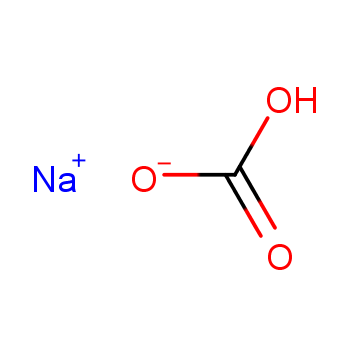
Baking Soda, with the chemical formula NaHCO3 and CAS number 144-55-8, is a versatile alkaline compound commonly used in cleaning, deodorizing, and even in baking. As a mild abrasive and deodorizer, it works effectively in a variety of applications, from household cleaning to personal care.
Vinegar, with the chemical formula CH3COOH and CAS number 64-19-7, is an acidic solution primarily made from fermented ethanol. It is widely used in cooking, as a cleaning agent, and for medicinal purposes due to its natural antibacterial properties and versatility.
Baking soda and vinegar are both common household products with distinct chemical properties. While baking soda is an alkaline compound, vinegar is acidic. Their contrasting chemical compositions make them suitable for different types of cleaning and household uses, such as odor removal, stain treatment, and as general cleaning agents.


While both baking soda and vinegar are produced through different chemical processes, they each serve distinct roles in household and industrial applications. The synthesis of baking soda relies on a chemical reaction involving sodium carbonate, while vinegar is a product of fermentation.
Baking soda and vinegar are both versatile compounds widely used in various household and industrial applications. Their different chemical properties make them suitable for distinct tasks, from cleaning to personal care and even in cooking.

Baking soda is a natural deodorizer that works effectively in eliminating odors in a variety of environments. Its ability to absorb and neutralize smells makes it particularly useful in areas like refrigerators, trash cans, and shoes. In addition to being an excellent deodorizer, baking soda also works as a mild abrasive, which makes it an effective cleaner for surfaces like countertops, sinks, and stovetops. It can remove stubborn stains, dirt, and grime without causing damage to most surfaces.
Another common application of baking soda is in laundry. When added to a washing machine, it can help brighten whites and remove odors from clothes, leaving them smelling fresh. Additionally, baking soda can be used as a gentle exfoliant in personal care routines, such as for brushing teeth, exfoliating the skin, or scrubbing hands after handling strong odors like garlic or fish.
Vinegar is an effective solution for removing grease, soap scum, and mineral deposits, making it ideal for use in kitchens and bathrooms. It can be used to clean glass, mirrors, and other surfaces, leaving them streak-free and shiny. In bathrooms, vinegar is particularly effective at breaking down calcium deposits in faucets, showerheads, and tubs, and it can also be used to remove soap scum from tiles and glass doors. In the kitchen, it helps to cut through greasy residue, making it an excellent option for cleaning stoves, ovens, and greasy pans.
In addition to its cleaning properties, vinegar is also a popular natural fabric softener. When added to the rinse cycle of laundry, vinegar helps to soften clothes and remove detergent buildup, leaving fabrics feeling softer without the use of commercial fabric softeners. Vinegar can also be used to remove stubborn odors from clothing, such as mildew or smoke, by neutralizing the odor-causing particles. Its antimicrobial properties also make it a useful addition to the washing machine, helping to sanitize fabrics.

Vinegar, especially apple cider vinegar, is widely promoted for its health benefits. It is believed to aid in digestion, help regulate blood sugar levels, and support weight loss when consumed in moderation. Vinegar contains acetic acid, which may help lower blood sugar spikes after meals by improving insulin sensitivity. Additionally, it is often used as a natural remedy for sore throats, digestive issues, and even as a hair rinse to promote shinier, healthier hair.
Despite its widespread use in health and wellness circles, it's important to note that scientific evidence supporting some of these claims is still limited, and vinegar should be consumed in moderation to avoid potential side effects like tooth enamel erosion or digestive irritation.
Baking soda and vinegar each have unique applications based on their chemical properties. Baking soda excels as a deodorizer, abrasive cleaner, and stain remover, and it has a variety of uses in personal care. Vinegar, with its acidic nature, is highly effective in cleaning, fabric softening, and even promoting health benefits. Their combined versatility makes both compounds essential in every household, offering practical solutions for cleaning, deodorizing, and even maintaining overall health.
| Side Effect |
Baking Soda |
Vinegar |
|---|---|---|
| Digestive Issues | Rare, but excessive consumption can lead to upset stomach or bloating | Possible, can cause irritation to the stomach or throat if consumed in excess |
| Surface Damage | Unlikely, can scratch delicate surfaces if used too abrasively | Possible, acidic nature can damage certain surfaces, such as marble or stone |
| Strong Odor | Unlikely, generally odorless unless mixed with certain substances | Strong, vinegar's odor may linger in cleaning areas |
| Allergic Reactions | Rare, could include skin irritation for sensitive individuals | Rare, could cause skin irritation or allergic reactions in some cases |
If you're looking to purchase these compounds, Guidechem is your go-to platform for sourcing high-quality raw materials and reliable suppliers. With our extensive global network, we connect you to a wide range of Baking Soda suppliers and Acetic Acid suppliers, ensuring you find the right products to meet your specific research or production requirements. Whether you're in pharmaceuticals, food additives, or other industries, Guidechem simplifies the sourcing process, offering verified supplier information, competitive pricing, and seamless communication.
[1]Baking Soda: A Comprehensive Guide by J. R. Watson.
[2]Vinegar and Its Uses in Household Cleaning by K. L. Green.
[3]The Chemistry of Baking Soda and Vinegar in Journal of Household Chemistry.
[4]Vinegar: Health and Household Benefits in Journal of Home Management.
 |
 |
 |
 EN
 Agricultural News
 Food News
 Industrial News
 Cosmetic News
 Pharmaceutical News
 Science News


 1YR


