-
We detected your language preference as English. Would you like to switch to the English version for a better experience?
Switch to English
Stay here


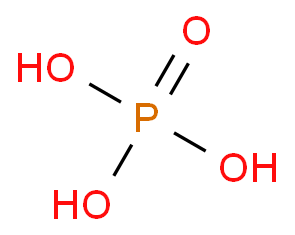
Phosphoric Acid, with the chemical formula H3PO4 and CAS number 7664-38-2, is a mineral acid commonly used in industry, particularly in the production of fertilizers, rust removal, and as a food additive in beverages.
Muriatic Acid, commonly known as hydrochloric acid, with the chemical formula HCl and CAS number 7647-01-0, is a strong acid widely utilized in industrial and household applications such as cleaning, pH adjustment, and etching metals.
Phosphoric acid and muriatic acid differ significantly in their chemical properties, applications, and safety considerations. While phosphoric acid is widely recognized for its mild acidity and diverse industrial roles, muriatic acid is noted for its high reactivity and effectiveness in cleaning and pH regulation.


Both acids are synthesized through processes that optimize their yield and purity for specific industrial applications. The key distinction lies in their precursors and the chemical reactions involved in their production.

Phosphoric acid is integral to various industries due to its versatility and relatively mild acidity. One of its primary applications is in the production of phosphate fertilizers, which are essential for enhancing agricultural productivity. It reacts with ammonia to form ammonium phosphate, a vital fertilizer component.
In the food and beverage industry, phosphoric acid is equally important. It serves as a flavoring agent and preservative in popular drinks like sodas, providing a tangy taste while also extending shelf life. This dual function ensures products remain appealing and safe for consumption over time. Beyond beverages, it finds use in processed foods to maintain texture and quality.
The acid's role extends to industrial applications, particularly in rust removal. By chemically converting rust into a stable phosphate layer, it prepares metal surfaces for painting or coating, improving durability and appearance. This property makes it invaluable in automotive, construction, and maintenance sectors.
Additionally, phosphoric acid is a vital component in the production of detergents, dental care products like toothpaste, and even certain pharmaceuticals. Its diverse applications highlight its indispensability in everyday life, spanning from agriculture to household items and industrial maintenance.
Muriatic acid, a diluted form of hydrochloric acid, is renowned for its powerful cleaning capabilities. It effectively removes mineral deposits, lime scale, and rust from a variety of surfaces, making it a go-to solution in both industrial and residential settings. Its versatility is evident in tasks like cleaning masonry, descaling swimming pools, and sanitizing toilets, where its potency ensures thorough and efficient results.
Beyond its cleaning applications, muriatic acid is integral to various industrial processes, particularly in chemical manufacturing and pH adjustment. It serves as a key component in the production of chlorine-based chemicals such as polyvinyl chloride (PVC), widely used in construction and packaging industries. Additionally, it is employed in neutralizing alkaline waste streams and refining metal surfaces, showcasing its importance in diverse industrial operations. Its high reactivity and cost-effectiveness make it a valuable resource in these contexts.
However, the strong corrosive nature of muriatic acid demands careful handling and strict safety measures. Direct contact with the liquid or inhalation of its fumes can pose serious health risks, including chemical burns and respiratory irritation. Proper ventilation, protective gear, and adherence to usage guidelines are crucial to minimize hazards, ensuring its benefits can be harnessed safely and effectively.
In summary, phosphoric acid and muriatic acid serve distinct purposes in industry and household applications. Phosphoric acid is prized for its versatility and milder properties, making it ideal for food production, rust removal, and agricultural use. Muriatic acid, with its powerful cleaning and reactive properties, excels in tasks requiring strong acidity. Both acids are invaluable in their respective domains and should be used responsibly.
| Aspect |
Phosphoric Acid |
Muriatic Acid |
|---|---|---|
| Corrosiveness | Moderate, less aggressive on surfaces | Highly corrosive, requires careful handling |
| Toxicity | Low, generally safe in diluted forms | High, emits harmful fumes |
| Cost | Relatively higher due to processing | Lower, widely available |
| Environmental Impact | Minimal, biodegradable | Potentially harmful if mishandled |
If you're looking to purchase these compounds, Guidechem is your go-to platform for sourcing high-quality raw materials and reliable suppliers. With our extensive global network, we connect you to a wide range of Phosphoric Acid suppliers, ensuring you find the right products to meet your specific research or production requirements. Whether you're in pharmaceuticals, food additives, or other industries, Guidechem simplifies the sourcing process, offering verified supplier information, competitive pricing, and seamless communication.
[1]Industrial Chemistry of Acids by J. R. Smith.
[2]Applications of Phosphoric Acid in Agriculture in Journal of Agronomy.
[3]Hydrochloric Acid: Uses and Safety by M. L. Johnson.
[4]Comprehensive Guide to Acid Applications by R. K. Gupta.
 |
 |
|
 |
 |
 |
 EN
EN
 Agricultural News
 Food News
 Industrial News
 Cosmetic News
 Pharmaceutical News
 Science News

 1YR
1YR


