-
We detected your language preference as English. Would you like to switch to the English version for a better experience?
Switch to English
Stay here


Prallethrin, with the chemical formula C19H24O3 and CAS number 23031-36-9, is a synthetic pyrethroid insecticide widely used in household insecticide products for its strong knockdown effect against mosquitoes and flies.
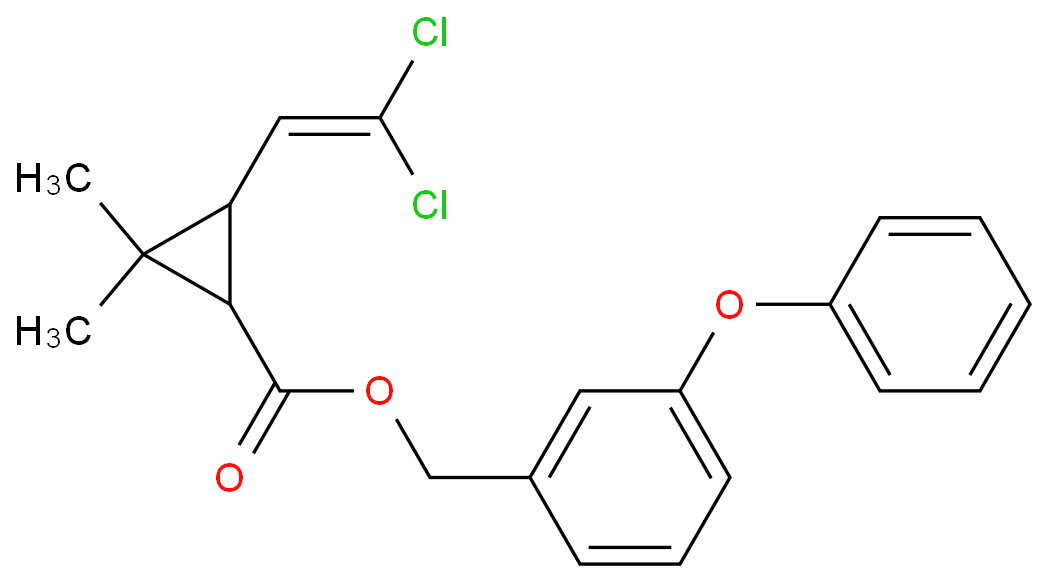
Permethrin, with the chemical formula C21H20Cl2O3 and CAS number 52645-53-1, is another synthetic pyrethroid used both as an insecticide and in public health applications, including lice and scabies treatments. Permethrin exhibits broad-spectrum insecticidal properties with long-lasting residual effects.
Prallethrin and Permethrin are both pyrethroid compounds with distinct chemical properties and applications. While both are effective in pest control, the key differences lie in their chemical structures, usage patterns, and specific advantages in various scenarios.


Both compounds derive from pyrethroid chemistry, but their synthesis involves distinct processes tailored to their specific applications and desired chemical properties.
Both Prallethrin and Permethrin are integral in pest management strategies, yet their applications cater to different needs due to their chemical properties and effects.

Prallethrin is renowned for its quick knockdown effects, making it a popular choice in household insecticides like aerosols and electric mosquito repellents. Its volatility ensures rapid vaporization, providing instant action against flying insects such as mosquitoes and flies. This property is particularly useful in urban settings, where immediate results are required to control pest populations.
Applications of Prallethrin extend to outdoor pest control in gardens and patios, where its fast action can neutralize insect threats. Additionally, its minimal residual activity makes it safe for environments where long-term pesticide presence is undesirable.
On the other hand, Permethrin is renowned for its residual activity and broad-spectrum effectiveness. It is extensively used in agriculture to protect crops from pests, including aphids, whiteflies, and beetles. Its long-lasting effect reduces the frequency of applications, making it a cost-effective solution for large-scale farming operations. Permethrin is also utilized in livestock management, where it is applied to animals such as cattle and sheep to prevent infestations of ticks, lice, and mites.
Another significant application of Permethrin is in public health, where it is used for impregnating mosquito nets to provide long-term protection against malaria-transmitting mosquitoes. The World Health Organization (WHO) recommends Permethrin-treated nets as a key strategy in combating malaria in endemic regions. This role underscores Permethrin’s importance in global health initiatives.
In addition to its agricultural and public health uses, Permethrin is a critical component in personal care products like insect-repellent clothing and lotions. These products are designed for outdoor enthusiasts, military personnel, and individuals working in insect-prone environments, offering protection against a wide range of biting insects, including mosquitoes, ticks, and sandflies.
While both Prallethrin and Permethrin are effective insecticides, their primary applications highlight their differences. Prallethrin’s fast action makes it ideal for short-term, immediate control of indoor pests, while Permethrin’s residual properties and versatility make it suitable for long-term agricultural, public health, and personal protection applications. Together, they play complementary roles in integrated pest management strategies, addressing a wide range of insect control needs.
Prallethrin excels in delivering rapid knockdown effects for immediate pest control, while Permethrin offers long-lasting protection for diverse applications. The choice between the two depends on specific requirements, such as the need for quick action or prolonged residual effects.
| Aspect |
Prallethrin |
Permethrin |
|---|---|---|
| Toxicity | Moderate toxicity to aquatic organisms | High toxicity to aquatic organisms |
| Environmental Persistence | Short residual activity | Long residual activity, potential bioaccumulation |
| Usage Limitations | Not effective for prolonged pest control | Limited to controlled environments for safety |
If you're looking to purchase these compounds, Guidechem is your go-to platform for sourcing high-quality raw materials and reliable suppliers. With our extensive global network, we connect you to a wide range of Prallethrin suppliers and Permethrin suppliers, ensuring you find the right products to meet your specific research or production requirements. Whether you're in pharmaceuticals, food additives, or other industries, Guidechem simplifies the sourcing process, offering verified supplier information, competitive pricing, and seamless communication.
 |
 |
 |
 EN
EN
 Agricultural News
 Food News
 Industrial News
 Cosmetic News
 Pharmaceutical News
 Science News

 2YRS
2YRS


