-
We detected your language preference as English. Would you like to switch to the English version for a better experience?
Switch to English
Stay here


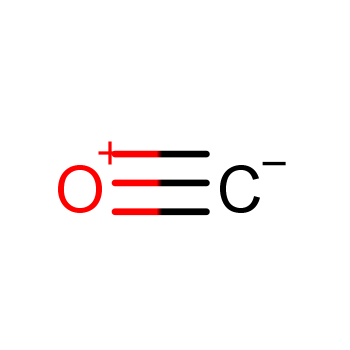
Carbon monoxide is a colorless, odorless, tasteless, flammable, and toxic gas. Its initial identification is attributed to the Spanish alchemist Arnold of Villanova (1235–1313), who observed the production of a poisonous gas during wood combustion. The formal discovery of carbon monoxide is credited to the French chemist Joseph Marie François de Lassone (1717–1788) and the British chemist Joseph Priestley (1733–1804). De Lassone prepared carbon monoxide by heating carbon in the presence of zinc, initially misidentifying it as hydrogen. The correct determination of carbon monoxide as an oxide of carbon was made by William Cumberland Cruikshank (1745–1800) in 1800.
Carbon monoxide results from incomplete combustion of carbon and carbon compounds, particularly during the inefficient combustion of carbon fuels for heating. This can lead to elevated concentrations of carbon monoxide in indoor environments. Insufficiently ventilated carbon fuel heaters pose significant risks, resulting in fatalities and hospitalizations. In the United States, several hundred deaths and 10,000 hospitalizations annually are attributed to carbon monoxide exposure, primarily stemming from faulty heating systems, as well as sources such as barbecues, water heaters, and camping equipment.
Vehicular emissions contribute significantly to carbon monoxide pollution in urban areas. Concentrations are typically highest during winter, particularly under meteorological conditions that trap pollutants near the ground. Governments implement strategies to reduce carbon monoxide emissions, including the widespread use of catalytic converters in vehicles since the 1970s. Catalytic converters facilitate the complete combustion of engine emissions by oxidizing carbon monoxide to carbon dioxide through a platinum catalyst.
Elevated carbon monoxide concentrations can lead to various health problems, depending on exposure levels and duration. The high affinity of blood hemoglobin for carbon monoxide, more than 200 times that for oxygen, results in the formation of carboxyhemoglobin, hindering oxygen binding to hemoglobin. This chemical asphyxiation prevents oxygen from reaching body tissues.
Due to its health implications, carbon monoxide is considered a primary air pollutant, and national standards have been established by the federal government to protect the general population. The standard is set at 9 parts per million (ppm) averaged over 8 hours or 35 ppm averaged over 1 hour. Image provides a summary of the health effects associated with different concentrations of carbon monoxide.

Carbon monoxide holds significance as a vital industrial chemical. It is generated, in conjunction with hydrogen, through the process of steam reforming. During this procedure, methane undergoes heating in the presence of a metal catalyst, typically nickel, at temperatures ranging between 700°C and 1100°C, following the chemical equation: CH4(g) + H2O(g) → CO(g) + 3H2(g). The resulting mixture of hydrogen and carbon monoxide is termed synthesis gas or syngas. Syngas serves as a precursor for the production of methyl alcohol, a process conducted under high pressures, typically ranging from 50 to 100 atmospheres. Catalysts comprising copper and oxides of zinc, manganese, and aluminum facilitate the reaction: CO(g) + 2H2(g) → CH3OH(l).
The enduring elevation in crude oil prices witnessed in 2005 has sparked heightened interest in synthetic fuels. Fischer-Tropsch chemistry, a process employed for over 80 years, produces synthetic fuels, with carbon monoxide serving as a fundamental feedstock. Pioneered by Franz Fischer (1852–1932) and Hans Tropsch (1889–1935), liquid hydrocarbons were initially synthesized in the 1920s by reacting carbon monoxide (derived from natural gas) with hydrogen, utilizing metal catalysts such as iron and cobalt. During World War II, Germany and Japan actively produced synthetic fuels. Post-war, low crude oil prices dampened enthusiasm for synthetic fuels. However, with the surge in petroleum prices, considerable interest has been rekindled. Several companies have established facilities to manufacture diesel and employ gas-to-liquid technology, converting natural gas into liquid fuel.
Beyond its role in fuel production, carbon monoxide exhibits utility as a reducing agent in metallurgy. In the context of iron and steel production, coke in a blast furnace transforms into carbon monoxide. This carbon monoxide then reduces Fe3+ in iron (III) oxide, found in iron ore, resulting in the formation of elemental iron, as expressed by the reaction: Fe2O3(s) + 3CO(g) → 2Fe(l) + 3CO2(g).
Richard L. Myers (2009). The 100 Most Important Chemical Compounds: A Reference Guide. Greenwood Publishing Group. October 1, 2009. https://doi.org/10.1021/ed086p1182
 |
 |
 |
 |
 |
 |
 EN
EN
 Agricultural News
 Food News
 Industrial News
 Cosmetic News
 Pharmaceutical News
 Science News