-
We detected your language preference as English. Would you like to switch to the English version for a better experience?
Switch to English
Stay here


This report provides a 2026 B2B market intelligence analysis of (±)-Lipoic acid (α-lipoic acid, CAS 1077-28-7), mapping downstream retail demand across Amazon, Walmart, and CVS, and reverse-engineering formulation strategies from Tier-1 nutraceutical brands. It further translates retail SKU dynamics into upstream procurement signals, enabling sourcing teams to evaluate RS-ALA vs R-ALA positioning, optimize enantiomeric purity specifications, and mitigate global supply chain volatility through verified GMP-compliant suppliers. The analysis integrates formulation engineering constraints, regulatory benchmarks, and commercial channel intelligence to support high-precision procurement decisions in the metabolic health ingredient sector.

In 2026, (±)-Lipoic acid demand is increasingly driven by dual clinical-commercial positioning: metabolic support (diabetic neuropathy adjunct supplementation) and anti-aging mitochondrial optimization. Cross-platform retail analytics indicate a structural divergence in SKU architecture across Amazon, Walmart, and CVS, reflecting fundamentally different procurement and consumer elasticity models.
Amazon functions as a high-velocity, premium-stratified marketplace, where R-enantiomer enriched formulations (R-ALA sodium salts) dominate search conversion rates. In contrast, Walmart and CVS maintain a legacy mass-market footprint dominated by 600 mg RS-ALA (racemic α-lipoic acid) capsules, optimized for reimbursement-adjacent consumer behavior and price anchoring strategies.
From a supply chain perspective, elevated Amazon sell-through velocity of R-ALA SKUs correlates with upstream tightening of enantiomeric separation capacity, directly impacting procurement safety stock thresholds for high-purity chiral intermediates.
Tier-1 nutraceutical brands such as Thorne and Life Extension demonstrate highly controlled formulation engineering, prioritizing impurity suppression, thermal stability, and enantiomeric enrichment over cost minimization. These specifications serve as de facto procurement benchmarks for B2B buyers targeting premium supplement markets.
A critical differentiator is Life Extension’s avoidance of free acid instability, instead preferring sodium R-lipoate forms to mitigate polymerization under humidity stress, a key failure mode in tropical logistics corridors.
Expert Commentary: James Holloway, a supply chain analyst specializing in nutraceutical intermediates, notes: “What separates Tier-1 brands is not formulation creativity but degradation engineering control. The ability to maintain R-ALA optical purity above 99% during summer freight cycles is a direct function of upstream crystallization discipline and not downstream branding.”
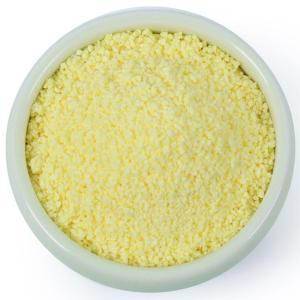
Mass-market formulations prioritize throughput efficiency and cost stability. These brands predominantly utilize RS-ALA free acid crystalline powder with ≥99% assay purity, optimized for high-speed encapsulation lines.
A key industrial constraint is the melting point range (60–62°C) of free acid α-lipoic acid, which introduces stickiness and agglomeration risk during encapsulation. Manufacturers mitigate this via anti-caking agents and controlled humidity cleanroom environments.
Global (±)-Lipoic acid procurement is increasingly exposed to regulatory tightening in solvent residue limits, environmental emissions from sulfur chemistry plants, and cross-border GMP harmonization pressures. Procurement teams must now evaluate suppliers not only on price but on multi-layer compliance integrity.
Critical audit dimensions include USP/EP monograph conformity, ISO-certified production systems, and residual solvent profiling for compounds such as cyclohexane and toluene under GC-MS thresholds.
The Guidechem sourcing framework enables direct factory-level verification, reducing intermediary markups and improving traceability across global supply chains.
Expert Commentary: Industry observers at BioIngredients Insights emphasize that “supply chain resilience in chiral nutraceuticals is shifting toward data-verified supplier ecosystems. Platforms that integrate compliance documentation, batch traceability, and real-time availability signals will define procurement efficiency in 2026 and beyond.”
[1] United States Pharmacopeia (USP 43–NF 38): Alpha-Lipoic Acid Monograph
[2] European Pharmacopoeia 11th Edition, Alpha-Lipoic Acid Specifications
[3] ISO 9001:2015 Quality Management Systems Requirements
[4] ISO 22000:2018 Food Safety Management Systems
[5] ICH Q3C (R8): Impurities: Guideline for Residual Solvents
[6] CAS Registry Number: 1077-28-7 (α-Lipoic Acid)
Looking for stable, high-purity (±)-Lipoic Acid with verified GMP compliance and global supply security? Guidechem connects you directly with audited manufacturers to reduce procurement risk and improve margin efficiency.
|
 |
 |
 |
 |
 |
 EN
EN
 Agricultural News
 Food News
 Industrial News
 Cosmetic News
 Pharmaceutical News
 Science News

 13YRS
13YRS


Expert Commentary: According to Dr. Elena Marquez, a nutraceutical formulation consultant with 18+ years in chiral active ingredients, “The most underestimated procurement risk in α-lipoic acid sourcing is not raw material availability but channel-driven specification drift. When Amazon demand shifts toward R-ALA sodium salt, RS-ALA producers face sudden inventory imbalance, leading to off-spec blending and elevated recrystallization losses in downstream CDMO operations.”