Daily chemical market prices on September 3, 2026: Dimethyl sulfoxide surged 12.64%, Potassium citrate rose 12.32%, and Propylene glycol increased 8.56%, leading today's major chemical price movements.GuideView16 MIN READSeptember 3, 2026
Daily Chemical Market Price Overview — September 3, 2026
The latest daily chemical price update highlights key movements across major sectors including
Basic Chemicals,
Fine Chemicals,
Energy,
Plastics,
Rubber, and
Other Chemicals. This report summarizes daily, weekly, and monthly price fluctuations to help manufacturers, traders, and procurement professionals better track short-term market volatility and broader pricing trends across the chemical supply chain.
Market focus today centered on sharp rebounds in
Dimethyl sulfoxide,
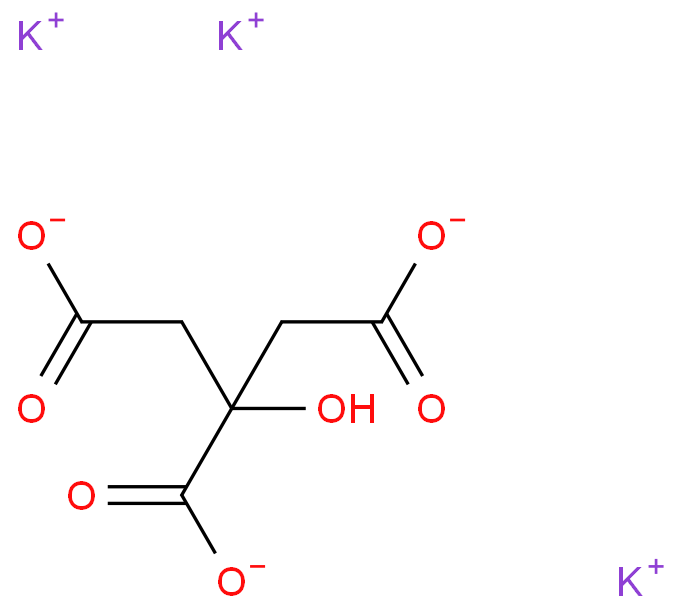
Potassium citrate, and
Propylene glycol, which recorded the largest daily gains across all tracked products. Meanwhile,
WTI Crude Oil,
Asphalt, and
Gasoline remained supported by higher energy costs and geopolitical supply risks, while
ABS continued to strengthen amid firmer upstream costs. Several solvents and plastics, including
Acetonitrile,
HDPE, and
PVC, moved lower as downstream purchasing remained cautious. Overall, the market continued to show a
cost-driven but highly differentiated structure, with product-specific supply conditions playing a greater role than broad-based demand recovery.
Dimethyl sulfoxide recorded the strongest daily increase across all tracked markets, rising to CNY 12,250/ton. The sharp rebound was mainly associated with
short-term spot tightness,
firm producer offers, and
downstream replenishment demand. Despite the strong daily increase, weekly prices remain 3.49% lower, indicating that the market is experiencing a volatile recovery rather than a fully established upward trend.
Potassium citrate posted the second-largest daily increase, rising to CNY 9,800/ton. The move was likely driven by
short-term supply tightness,
replenishment demand, and a rebound from a relatively weak recent base. However, weekly prices remain 0.46% lower and monthly prices are up only 0.24%, suggesting that the sharp increase is more consistent with a
short-term price correction than a sustained market reversal.
Propylene glycol recorded the third-largest daily increase, reaching CNY 9,933/ton. The sharp rebound was supported by
short-term spot tightness,
limited availability, and
downstream replenishment demand. Despite the strong daily rally, weekly prices remain 1.27% lower and monthly prices are almost unchanged at -0.14%, indicating that the market is still recovering from recent weakness rather than entering a sustained upward cycle.
Price rose 8.56% today — Monitor spot availability and replenishment-driven volatility.
Basic chemicals showed a generally firm tone, with
Ethylene glycol,
Propylene glycol, and
Ethyl acetate leading daily gains, while
Acetonitrile,
Lithium carbonate, and
Potassium chloride moved lower. The strongest daily increase came from
Propylene glycol, which rose 8.56% to CNY 9,933/ton, followed by
Ethyl acetate at 5.27% and
Ethylene glycol at 3.38%. The broad strength in oxygenated chemicals was consistent with firmer upstream costs and renewed attention to supply-side risks, although the scale of the move in Propylene glycol suggests that product-specific tightness and limited spot availability may also have played a role. Recent market commentary has highlighted persistent geopolitical risks, low inventories in several liquid chemicals, and continued sensitivity to raw material costs, supporting a generally firm near-term price environment.
Ethylene glycol strengthened 3.38% day on day to CNY 6,242/ton, with weekly and monthly gains reaching 2.85% and 13.48%, respectively. The increase reflects continued support from
higher energy and feedstock costs, together with market concerns over
low inventories and potential supply disruptions. Recent industry commentary noted that geopolitical tensions and low port stocks were supporting the market, while improving domestic operating rates and weaker polyester demand limited the upside. This combination of cost support and constrained availability helps explain why Ethylene glycol remained one of the strongest products in the current dataset.
Propylene glycol posted the largest daily increase, rising 8.56% to CNY 9,933/ton, despite a weekly decline of 1.27% and a broadly unchanged monthly level. The sharp daily rebound suggests a market driven more by
short-term spot tightness and replenishment demand than by a sustained trend reversal. The move should therefore be interpreted cautiously: while higher upstream costs and firmer chemical sentiment provided support, the absence of a positive monthly trend indicates that the market may still be recovering from recent weakness rather than entering a new prolonged upcycle.
Ethyl acetate rose 5.27% day on day to CNY 5,990/ton, while its weekly change remained negative at -1.30% and its monthly gain was limited to 2.93%. The daily jump likely reflects a combination of
short-term restocking, firmer upstream costs, and a rebound from a relatively weak recent base. The divergence between the strong daily move and the still-negative weekly performance suggests that the market is experiencing a
short-term recovery rather than a fully established upward trend.
Benzene and
Xylene also strengthened, rising 1.96% and 2.30% day on day, respectively, with monthly gains of 8.39% and 12.54%. The firm performance of these aromatic chemicals was supported by
higher crude oil prices and continued concerns over
feedstock availability and regional supply risks. Recent reports showed international oil prices rising amid ongoing geopolitical uncertainty, which provided a supportive backdrop for aromatics and other oil-linked chemicals.
Acetic acid and
Acetic anhydride rose 1.74% and 1.41% day on day, respectively, extending their monthly gains to 8.73% and 6.65%. The increases were consistent with a firmer
methanol-related cost environment and stronger industrial procurement activity. Recent market data showed methanol prices rising sharply amid geopolitical uncertainty and concerns over supply disruptions, while downstream operating rates for acetic acid remained relatively firm. This combination of higher costs and steady demand provided a supportive environment for the acetic acid chain.
Acetonitrile declined 0.94% day on day to CNY 8,400/ton, although its weekly and monthly gains remained positive at 4.18% and 9.07%. The correction appears to reflect
profit-taking and short-term demand caution after a period of strong gains, rather than a fundamental deterioration in the market. The product remains at a relatively elevated price level compared with earlier periods, and the positive weekly and monthly performance suggests that the recent decline is more consistent with a temporary adjustment than a sustained downtrend.
Methanol fell 0.83% day on day to CNY 3,349/ton, but remained one of the strongest products on a monthly basis, with a gain of 19.90%. The daily pullback followed a period of rapid appreciation and likely reflected
short-term profit-taking and a temporary easing in market sentiment. Recent market commentary noted that geopolitical tensions and lower expected imports were supporting methanol prices, while domestic demand remained relatively weak. The combination of strong monthly gains and a modest daily correction suggests that the market remains supported but vulnerable to volatility.
Lithium carbonate declined 1.31% day on day to CNY 151,000/ton, despite a weekly gain of 2.44% and a monthly increase of 4.39%. The decline likely reflects
short-term profit-taking and continued uncertainty over downstream demand and supply growth. Recent industry news also pointed to new lithium resource development activity in West Africa, which may have contributed to renewed attention on future supply availability.
Sulfur remained unchanged at CNY 8,602/ton, but its weekly and monthly changes were -6.57% and -8.15%, respectively. The persistent weakness reflects
softer recent demand and a correction from earlier elevated levels. The lack of a daily rebound suggests that the market is still digesting previous gains, with downstream procurement remaining cautious.
Overall market outlook: The chemical market remained broadly supported by
higher energy costs,
geopolitical uncertainty, and
tight inventories in selected liquid chemicals. However, the strong daily gains in several products, combined with continued weakness in others, suggest that the market is becoming increasingly differentiated. Products with strong monthly gains, such as
Methanol,
Ethylene glycol, and
Xylene, may remain supported in the near term, while products with sharp daily rebounds but limited weekly gains, such as
Propylene glycol and
Ethyl acetate, may be more sensitive to short-term supply and demand fluctuations.
Fine chemicals showed a highly differentiated market, with
Dimethyl sulfoxide,
Potassium citrate, and
Dimethyl carbonate leading daily gains, while
Trichloroethylene and
Potassium permanganate moved lower. Most other specialty chemicals remained unchanged, indicating that the market was driven more by
product-specific supply conditions and short-term procurement activity than by broad-based downstream demand. The strongest daily moves were concentrated in a small number of products, suggesting that
spot availability and producer pricing were more important than general market sentiment.
Dimethyl sulfoxide rose 12.64% day on day to CNY 12,250/ton, despite a weekly decline of 3.49% and a monthly gain of 5.07%. The sharp rebound suggests that
short-term spot tightness and
replenishment demand were the main drivers, rather than a fully established upward trend. Recent market quotations showed significant regional price dispersion, with some DMSO offers ranging from around CNY 9,400 to 13,000/ton, indicating that actual transaction prices and product grades remain important. The combination of limited spot availability, firm producer offers, and downstream restocking helped push prices higher, although the negative weekly performance suggests that the market remains volatile and sensitive to short-term supply changes.
Potassium citrate recorded the second-largest daily increase, rising 12.32% to CNY 9,800/ton, while its weekly change remained slightly negative at -0.46% and its monthly gain was only 0.24%. The move appears to reflect
short-term supply tightness,
replenishment demand, and a rebound from a relatively weak recent base. The divergence between the strong daily gain and the limited weekly and monthly changes suggests that the market is experiencing a
short-term price correction rather than a sustained trend reversal. Buyers may therefore remain cautious until more stable transaction prices are established.
Dimethyl carbonate rose 3.51% day on day to CNY 5,400/ton, extending its weekly and monthly gains to 5.21% and 13.54%, respectively. The market remained supported by
reduced operating rates,
production-unit maintenance, and
firm demand from electrolyte-solvent and other downstream applications. Recent market reports also highlighted low inventories, producer price increases, and higher methanol and propylene oxide costs as important factors behind the rally. The combination of positive daily, weekly, and monthly performance suggests that DMC is one of the more structurally supported products in the current Fine Chemicals dataset.
Trichloroethylene declined 5.26% day on day to CNY 4,700/ton, while its weekly change was -0.63% and its monthly gain remained positive at 6.19%. The daily decline suggests that
short-term profit-taking and
inventory adjustments were stronger than the recent supply-side support. The product has nevertheless experienced a substantial repricing over the month, indicating that the current correction may be a temporary adjustment rather than a complete reversal of the broader trend. Recent market commentary pointed to production disruptions and reduced operating rates as important supply-side factors, but the latest daily movement suggests that buyers may be becoming more selective at higher price levels.
Potassium permanganate fell 3.13% day on day to CNY 15,500/ton, while its weekly change was unchanged and its monthly gain remained positive at 6.45%. The decline appears more consistent with
short-term transaction adjustments and
profit-taking than with a major deterioration in supply-demand fundamentals. The product's positive monthly performance suggests that the market remains relatively firm compared with earlier levels, but the recent correction indicates that buyers may be resisting further price increases.
Tetrahydrofuran rose 0.98% day on day to CNY 17,167/ton, but its monthly change remained sharply negative at -8.28%. The daily increase appears to reflect
short-term replenishment and
spot-market stabilization rather than a sustained recovery. The large monthly decline suggests that the product is still trading below recent highs, and the current rebound may be more consistent with a technical correction than a fundamental improvement in demand.
Oleic acid remained unchanged at CNY 10,000/ton, but its weekly and monthly gains were 2.84% and 2.76%, respectively. The stable daily price suggests that the market is entering a
consolidation phase after recent gains. The product continues to benefit from relatively steady demand in downstream applications, but the absence of a daily increase indicates that buyers may be waiting for clearer signals before committing to higher prices.
Citric acid,
Glycolic acid,
Hydroquinone,
Lactic acid,
Melamine,
Sodium acetate,
Sodium hypochlorite, and
Water softener salt remained unchanged. The broad stability across these products suggests that
downstream purchasing remained cautious, with buyers largely maintaining existing inventory levels rather than aggressively increasing procurement. The lack of significant daily changes also indicates that these markets were less exposed to the short-term supply disruptions affecting DMSO, DMC, and other more volatile products.
Overall market outlook: The Fine Chemicals market remained characterized by a
two-speed structure. Supply-sensitive products such as
Dimethyl sulfoxide,
Potassium citrate, and
Dimethyl carbonate experienced sharp upward repricing, while most traditional acids, salts, and water-treatment chemicals remained stable. The key market risk for September is that
production disruptions and low operating rates could continue to amplify volatility in relatively small spot markets. At the same time, the absence of broad-based downstream demand acceleration suggests that products without a clear supply-side catalyst may continue to trade sideways. Buyers are therefore likely to remain more active in securing products with tight availability, while taking a more cautious approach toward products with adequate inventories.
Energy, Rubber, Plastic and other chemicals Prices
Energy, Plastics, Rubber, and Other chemicals showed a generally firm but differentiated market, with
Asphalt,
Gasoline, and
WTI Crude Oil leading energy gains, while
ABS remained strong and
PVC and
HDPE moved lower. The market continued to be supported by
higher crude oil prices,
geopolitical supply risks, and
seasonal downstream demand, although the divergence between daily and monthly performance suggests that some products are already trading at elevated levels. Recent market commentary highlighted that oil prices remained sensitive to renewed Middle East tensions, while the Chinese plastics market was characterized by strong cost support but cautious downstream demand.
WTI Crude Oil rose 1.11% day on day to USD 91/barrel, extending its weekly and monthly gains to 2.38% and 7.32%, respectively. The increase reflected
geopolitical risk premiums following renewed U.S.-Iran military tensions and concerns over
potential disruptions to Middle East oil supply. Recent reports also noted that oil prices remained volatile as investors weighed the risk of supply interruptions against possible diplomatic de-escalation. The continued strength in WTI provided a supportive cost backdrop for energy-intensive chemicals and plastics, although the market remains highly sensitive to further developments in the region.
Gasoline rose 0.85% day on day to CNY 9,800/ton, with weekly and monthly gains of 3.70% and 9.30%, respectively. The increase was supported by
higher crude oil costs,
refinery pricing adjustments, and continued uncertainty over regional supply. The positive weekly and monthly performance suggests that gasoline remains one of the stronger energy products in the current dataset. However, recent reports also highlighted that China's gasoline demand is facing structural pressure from
the rapid expansion of electric vehicles, which may limit the sustainability of the rally in the medium term.
Asphalt rose 2.55% day on day to CNY 5,230/ton, extending its weekly and monthly gains to 7.74% and 14.22%, respectively. The strong performance reflected
higher crude oil prices,
firmer refinery costs, and improved expectations for infrastructure-related demand. The product's positive daily, weekly, and monthly performance suggests that Asphalt remains one of the strongest energy products in the current dataset. However, the recent increase should also be viewed against the backdrop of a broader cost-driven market, where higher oil prices can support asphalt prices even when downstream demand recovery remains gradual.
Anthracite remained unchanged at CNY 1,750/ton, but its weekly and monthly changes were -4.97% and -2.06%, respectively. The persistent weakness suggests that
coal demand remained relatively soft, while the product continued to face pressure from
high inventories and
competition from alternative energy sources. The absence of a daily rebound indicates that the market is still in a consolidation phase after recent declines. Recent energy market commentary also pointed to the broader shift in China's energy demand structure, with lower fossil-fuel consumption growth and stronger electrification trends limiting the upside for some coal products.
ABS rose 0.60% day on day to CNY 11,083/ton, extending its weekly and monthly gains to 3.44% and 10.04%, respectively. The increase was supported by
higher upstream costs,
firmer aromatics prices, and
improving seasonal demand in selected downstream applications. Recent plastic market reports indicated that ABS prices remained supported by strong cost-side factors and limited supply, while demand recovery was more moderate. The positive monthly performance suggests that ABS remains one of the stronger products in the Plastics segment, although the market may become more sensitive to downstream price resistance at higher levels.
HDPE declined 0.46% day on day to CNY 10,938/ton, while its weekly and monthly gains remained positive at 0.72% and 3.38%, respectively. The daily decline suggests that
short-term profit-taking and
downstream purchasing caution were stronger than the recent cost support. Recent market commentary described the polyethylene market as trading at high levels, with crude oil prices providing support but high downstream prices limiting actual consumption. The divergence between the daily decline and positive monthly performance indicates that HDPE is undergoing a short-term adjustment rather than a broad-based reversal.
PVC declined 1.05% day on day to CNY 4,700/ton, although its weekly and monthly gains remained positive at 0.61% and 4.03%, respectively. The daily decline appears to reflect
weak downstream demand,
inventory pressure, and
short-term profit-taking after recent gains. The product's positive monthly performance suggests that PVC is still receiving some support from higher energy costs and supply-side expectations, but the latest daily movement indicates that demand recovery remains uneven. Recent Chinese plastic market commentary emphasized that the sector was supported by high crude oil prices and limited supply, while downstream consumption remained cautious.
EAA and
POE remained unchanged at CNY 58,400/ton and CNY 16,300/ton, respectively. The stability suggests that the market was not experiencing significant short-term changes in
spot availability or
downstream procurement. These products may be more influenced by contract pricing and longer-term demand expectations than by daily spot-market fluctuations. The lack of daily movement also indicates that the market remains relatively balanced, despite the broader cost support from crude oil.
Carbon Black remained unchanged at CNY 9,143/ton, but its weekly and monthly gains were 1.83% and 5.79%, respectively. The stable daily price suggests that the market is entering a
consolidation phase after recent gains. The product continues to benefit from
higher feedstock costs and relatively steady demand from the tire industry, but the lack of a daily increase indicates that buyers may be waiting for clearer signals before committing to higher prices. The positive monthly performance suggests that Carbon Black remains supported, although further upside may depend on downstream demand and the stability of raw material costs.
Silica remained unchanged at CNY 6,100/ton, with weekly and monthly gains of 0.17% and 1.35%, respectively. The limited price movement suggests that the market remains relatively stable, with
steady downstream demand and
moderate cost support balancing each other. The product's positive monthly performance indicates that the market has retained some upward momentum, but the lack of a daily increase suggests that buyers are not aggressively increasing procurement.
Carbon rose 0.27% day on day to CNY 12,333/ton, with weekly and monthly gains of 0.82% and 0.84%, respectively. The modest increase suggests that the market was supported by
stable demand and
slightly firmer cost conditions, but the limited weekly and monthly gains indicate that the market remains broadly balanced. The product's relatively small daily movement suggests that it is less exposed to the short-term volatility affecting crude oil and plastics.
Overall market outlook: The combined market remained characterized by a
cost-driven but highly differentiated structure.
WTI Crude Oil,
Asphalt, and
Gasoline benefited from geopolitical risk premiums and higher crude oil costs, while
ABS remained supported by firm upstream costs and seasonal demand. At the same time,
HDPE and
PVC showed short-term weakness, reflecting cautious downstream procurement and inventory pressure. Recent market commentary suggests that the plastics sector may continue to trade in a
“near-term strength, longer-term weakness” pattern, with cost support and limited supply supporting near-term prices, while new capacity and slower demand recovery could limit the medium-term upside. The main risk for September is that
geopolitical developments could continue to amplify energy and chemical price volatility, while demand-side resistance may become more visible at elevated price levels.
Data Source & Update Methodology
The above pricing data is compiled from multiple market channels including domestic ex-works quotations, distributor transaction references, port prices, and mainstream spot market assessments. Data was updated on
September 3, 2026, based on the latest available trading activity and real-time market feedback collected by GuideTrends analysts and industry participants.
All prices are for reference purposes only and may vary depending on region, transaction volume, specification, and contract terms.
Explore More Chemical Price Data
Access Real-Time Chemical Market Intelligence
For real-time price updates, historical trend analysis, and detailed market insights covering thousands of chemical products, visit the
GuideTrends Database .
Track chemical prices, compare product specifications, monitor supply chain movements, and identify sourcing opportunities with professional market intelligence tools designed for global chemical buyers and suppliers.



 EN
EN
 Agricultural News
 Food News
 Industrial News
 Cosmetic News
 Pharmaceutical News
 Science News

 3YRS
3YRS

